
Last updated October 16, 2026
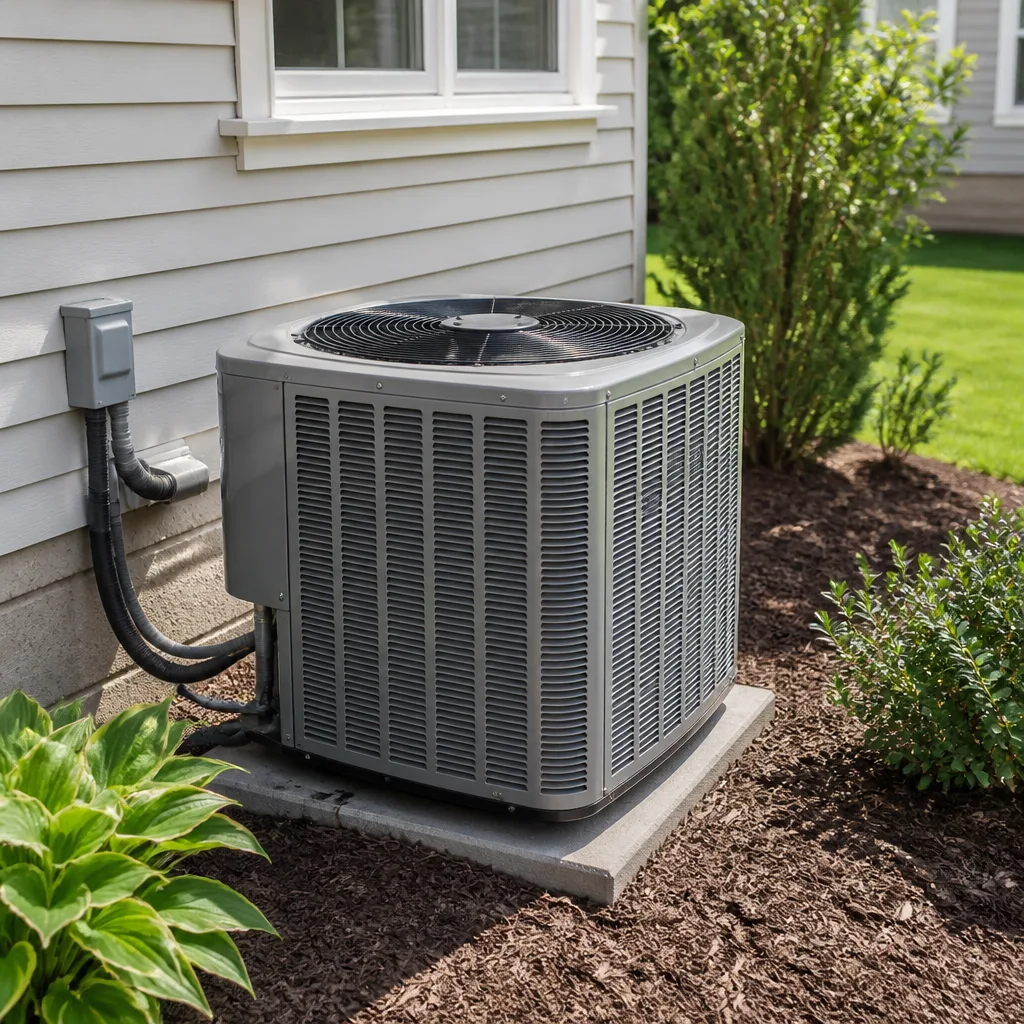 AC repair
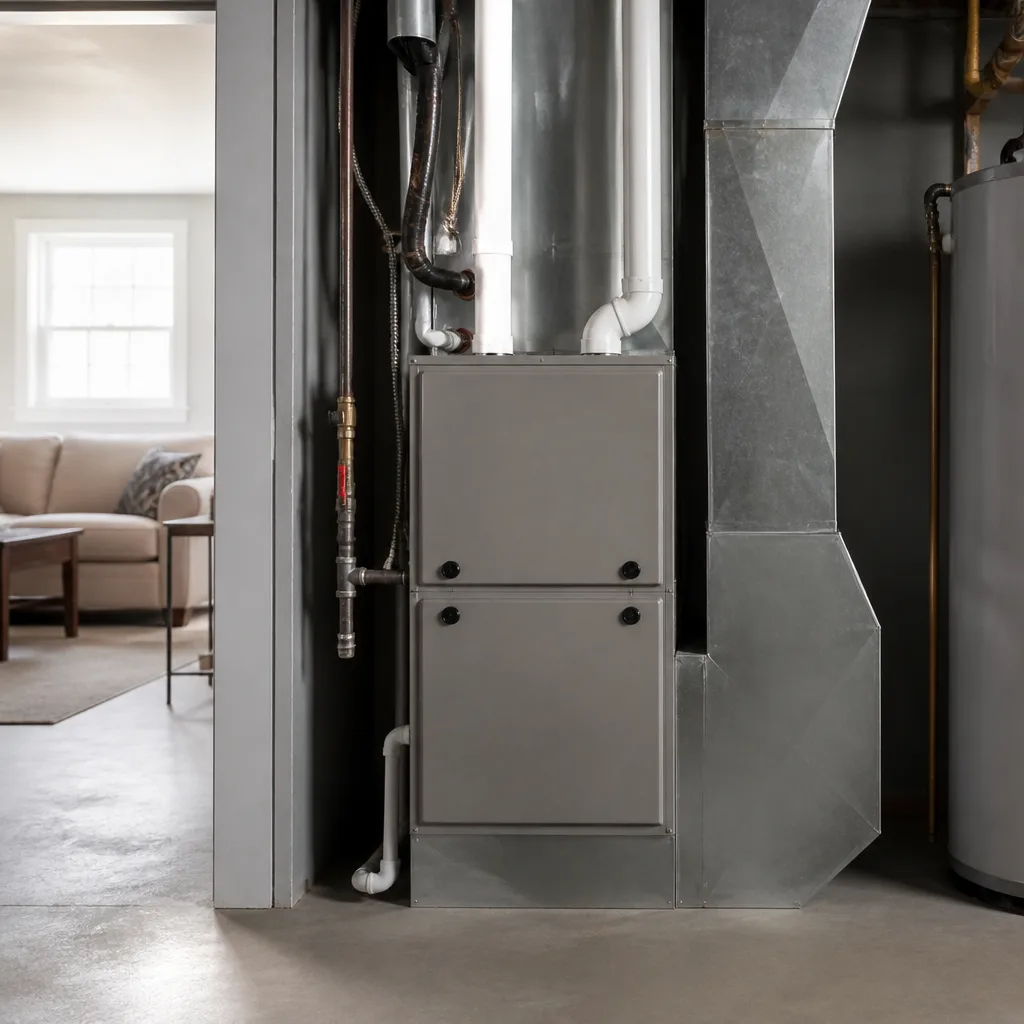 Furnace & heating
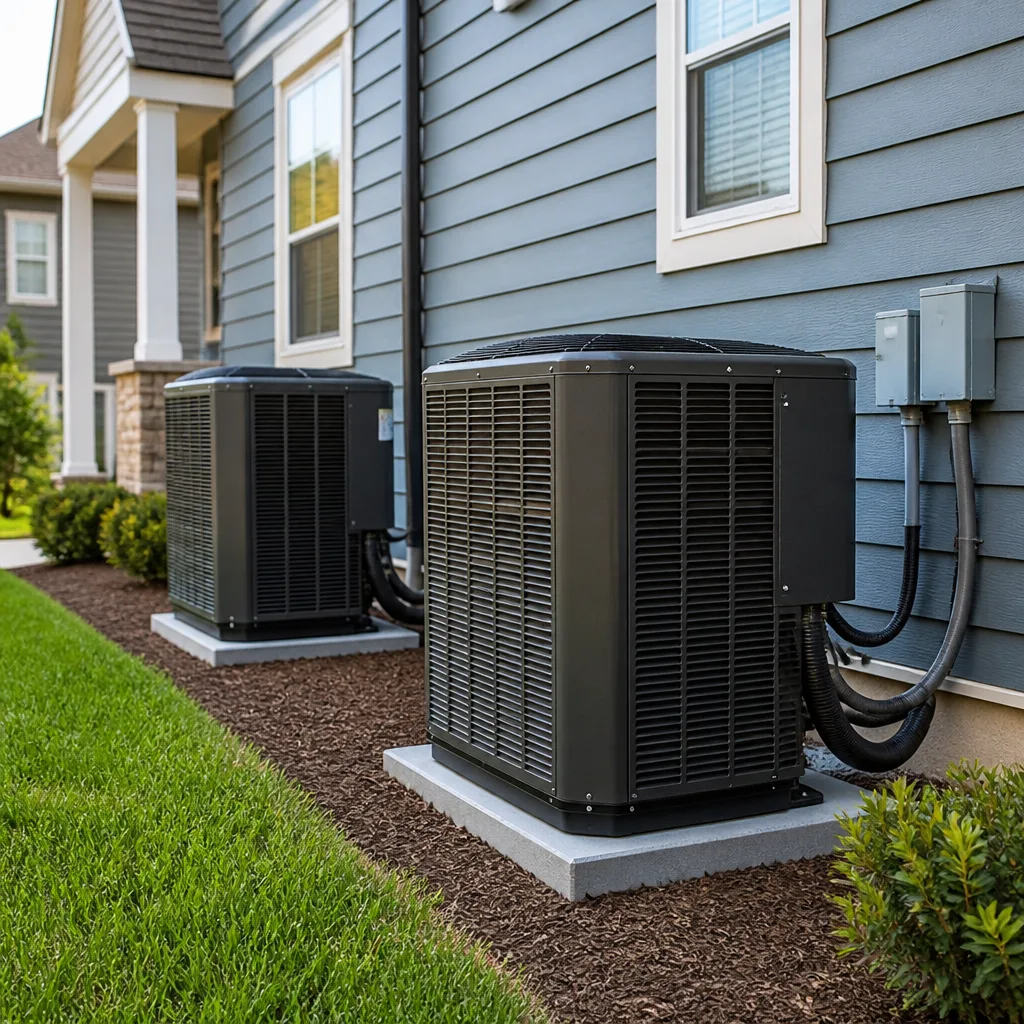 Heat pumps
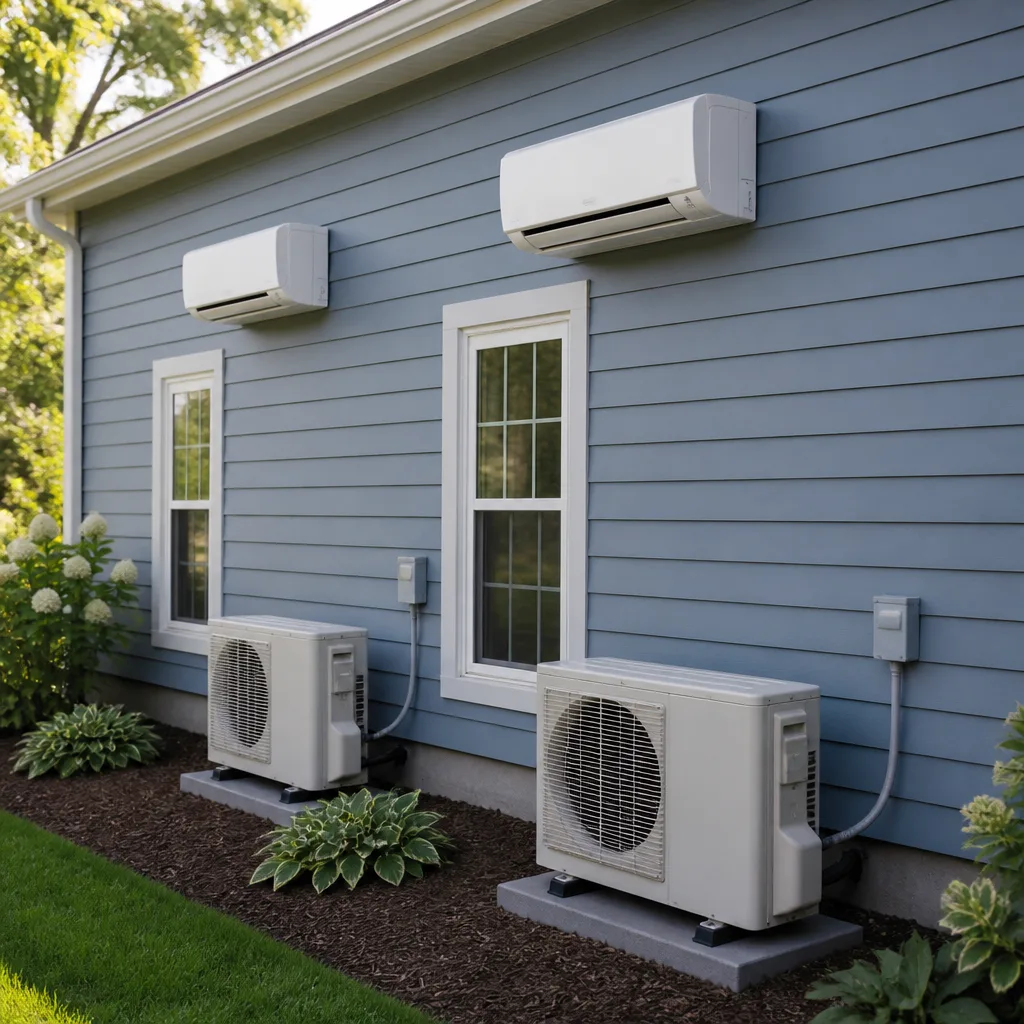 Ductless mini splits
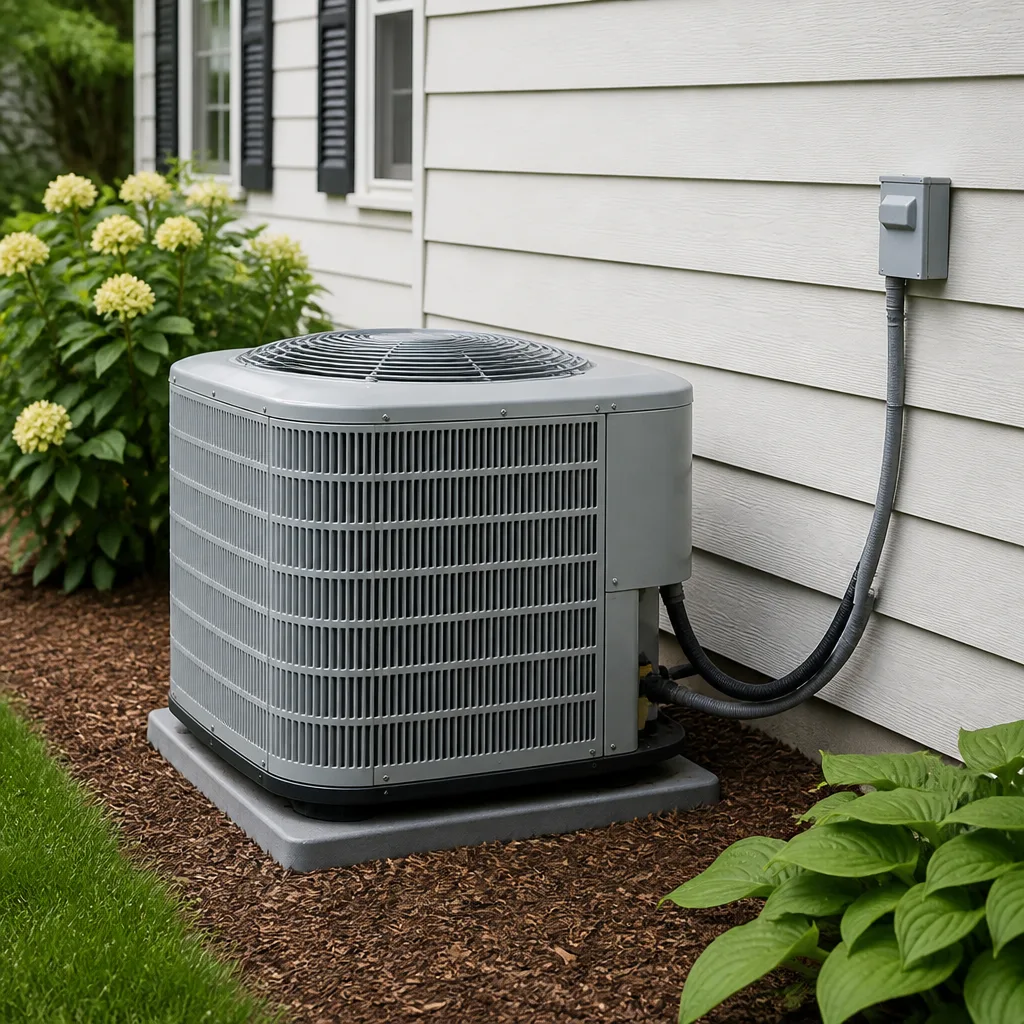 Carrier
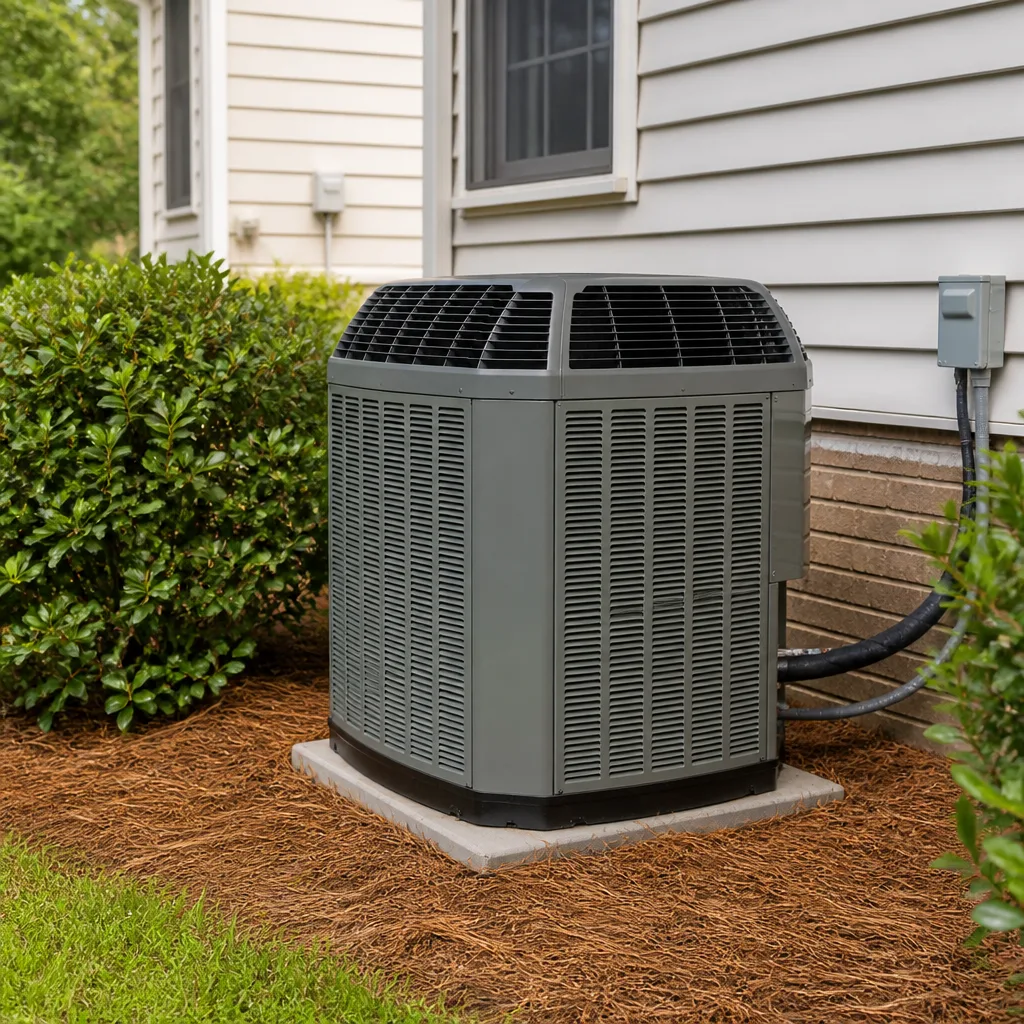 Trane
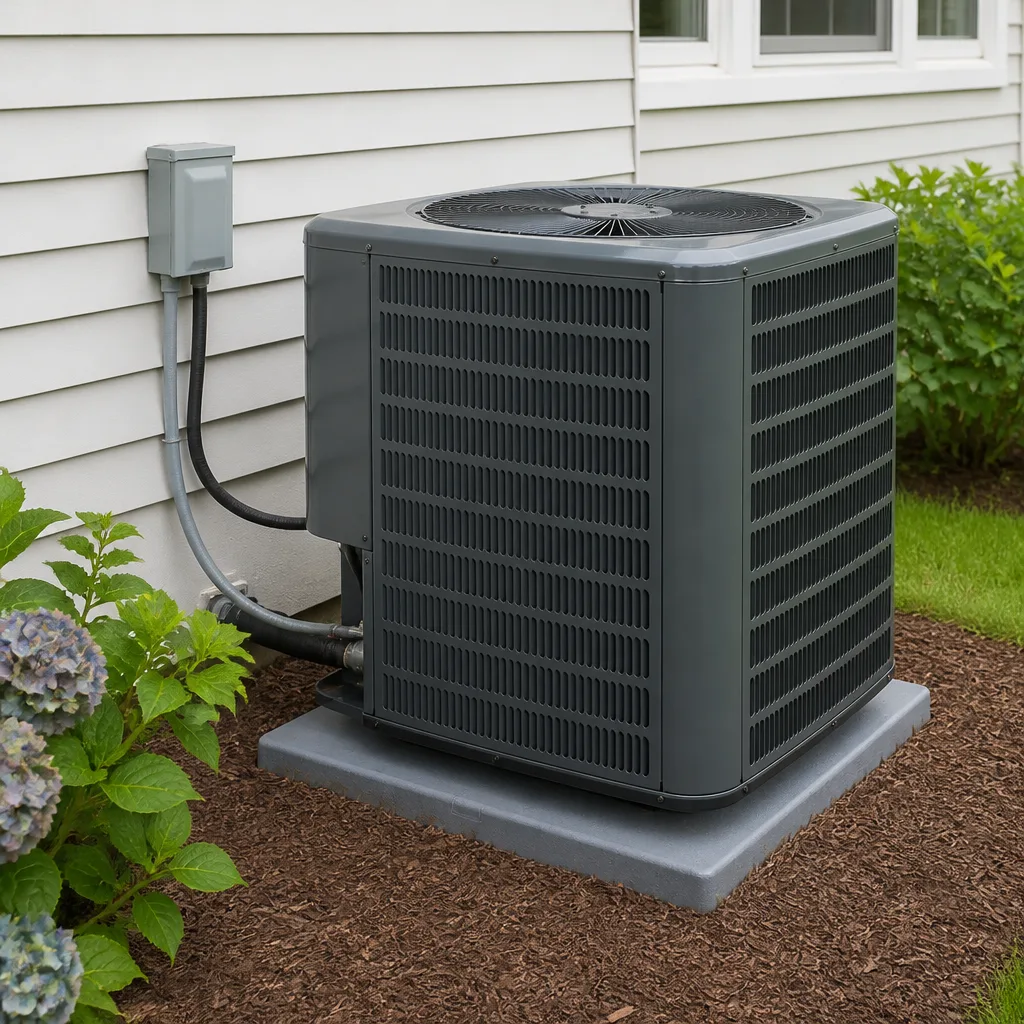 Goodman
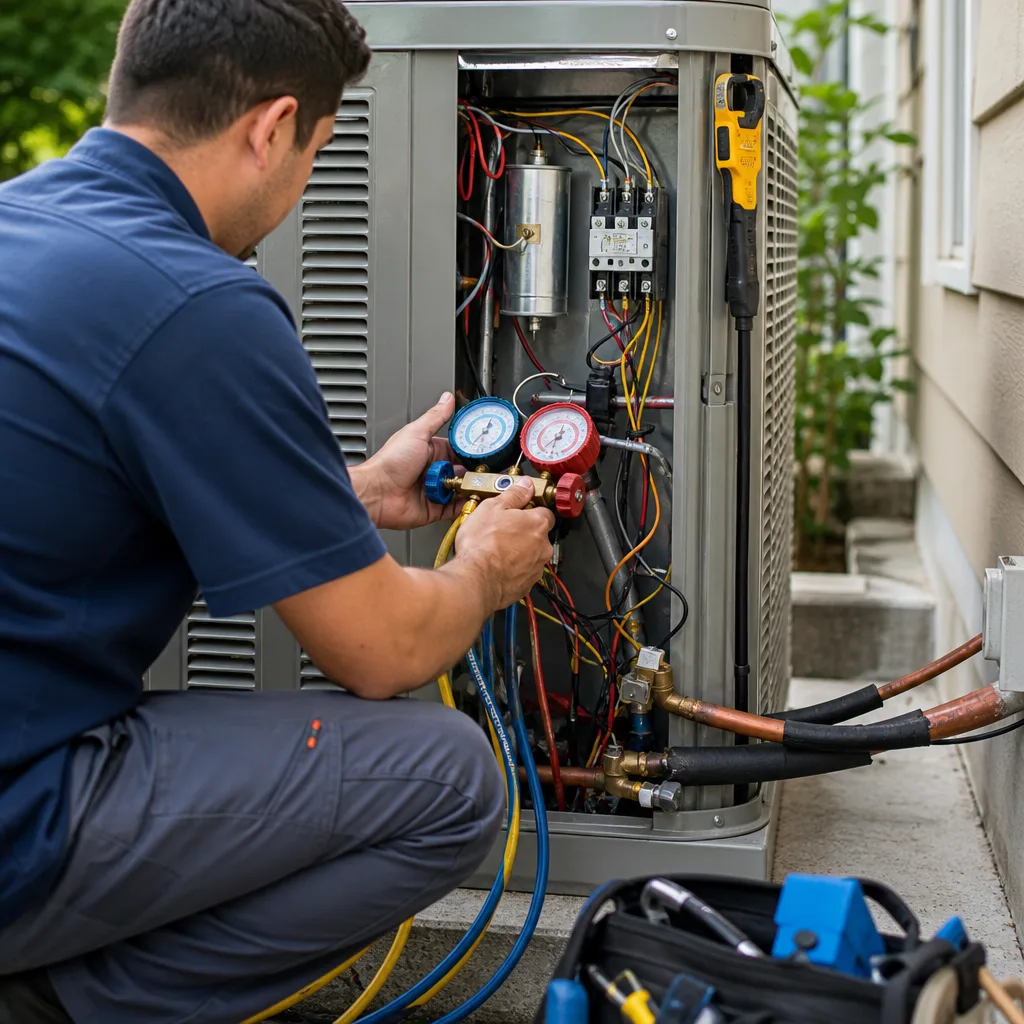
Seasonal tune-up and full diagnostic on your Carrier, Trane, or Goodman system - readings shown to you before any repair is proposed
Diagnosis first, numbers second - you approve the repair price before a single part goes in.
Get your free estimateHVAC Warning Signs: A Tampa Homeowner’s Reference Guide
Most national HVAC warning-sign checklists read like they were written for a house in Ohio. They mention “odd smells” and “strange sounds” without telling you what those actually mean when outside humidity sits at 85% for six months straight. In Tampa, a faint musty odor from a vent is never just a smell. It’s a biological process already underway inside your system. This guide maps the warning signs that actually matter for Tampa homes, what they cost to fix, and which ones you can safely investigate yourself.
Styles & brands we work with
Quick Answer
The HVAC warning signs that matter most in Tampa are a musty smell from vents (microbial growth in the drain pan or coil), short-cycling that’s not tied to the thermostat, a hissing or bubbling sound from the refrigerant lines, indoor humidity that sits above 60% even while the AC runs, and water pooling around the air handler in patterns that reveal the source. If you have any one of these, you’ll usually need a technician to diagnose the cause. If you have two or more, the system is already losing efficiency and likely damaging components downstream.
Table of Contents
- Five Smells Tampa Homeowners Should Never Ignore
- Why Short-Cycling in Tampa Has Different Causes Than Up North
- The Sounds That Warn of Compressor Distress vs. Loose Hardware
- Humidity Readings as a Diagnostic Tool: What Your Hygrometer Is Telling You
- Water Around the Air Handler: Three Sources, Three Very Different Costs
- Electric Bill Spikes: The Warning Sign Hidden in Your FPL Statement
- Warm Spots, Cool Spots, and What Room-to-Room Temperature Tells You
- Common Mistakes to Avoid
- When to Call a Professional
- Frequently Asked Questions
- The Bottom Line
Five Smells Tampa Homeowners Should Never Ignore
Smell is the earliest warning system your HVAC gives you, and in Tampa’s climate, it’s also the most reliable. Dry-climate homes can have a musty vent smell and shrug it off as a seasonal quirk. Here, it means moisture is present where it should not be, and Florida moisture never stays inert for long.
1. Musty or “locker room” smell from the vents
What it likely means: Microbial growth (mold or mildew) has established itself in the evaporator coil, the drain pan, or both. In Tampa’s humidity, the evaporator coil stays wet for months at a time. If the drain line is partially clogged, that standing water becomes a breeding surface. By the time you can smell it from a vent, growth has usually been present for two to four weeks and may be spreading into the ductwork.
Urgency: Moderate but time-sensitive. Every week of delay allows more growth. Families with asthma, allergies, or infants should treat this as a priority repair.
2. Burning or “hot hair dryer” smell at startup
What it likely means: A capacitor failing, a blower motor drawing too much current, or the first warning of an electrical component overheating. A capacitor costs $150 to $400 to replace in Tampa and is a common failure point in systems that run nearly year-round. A blower motor replacement runs $500 to $1,200 depending on brand and configuration.
Urgency: High. Electrical smells should never be ignored. Turn the system off and make the call. A burning smell that persists after shutdown is a different animal entirely and requires an electrician-brand diagnosis first.
3. Sulfur or “rotten egg” smell when the heat runs
What it likely means: If you have a heat strip (electric), a sulfur smell suggests the heat strip is overheating or there’s contamination burning off. If you have a gas furnace, this is a genuinely urgent signal. Tampa’s heat loads are light, but when furnaces do run in January, a sulfur smell means the heat exchanger or gas valve needs professional attention. We don’t suggest you investigate this one yourself.
Urgency: Immediate. Shut the system off and call for furnace repair in Tampa before running heat again.
4. Sweet or chemical smell (like nail polish remover)
What it likely means: Refrigerant leak. R-410A and R-22 both carry a faint chemical odor when concentrated. If the smell accompanies warm air from the vents, you’ve likely got a leak at the coil or a line fitting. Refrigerant leaks in Tampa systems are commonly found at the evaporator coil because the constant condensation accelerates corrosion at the joints.
Urgency: High. Low refrigerant forces the compressor to run hotter and longer, which shortens its life. The repair runs $350 to $950 for the leak plus a recharge, but ignoring it can turn into a $2,800 to $4,500 compressor replacement.
5. Damp cardboard or wet newspaper smell
What it likely means: The ductwork itself has absorbed moisture. In a Tampa attic, duct surface condensation happens when humid attic air contacts poorly insulated ducts. Once the duct liner gets damp, it holds that moisture and odors recirculate every time the fan blows. This is a duct or AC installation issue, not a cleaning issue in most cases.
Urgency: Moderate. Repair involves duct inspection, insulation, and sometimes replacement of the affected runs. In Tampa’s older neighborhoods like Seminole Heights and Palma Ceia, we see 25-year-old duct systems where this is a chronic problem.
Why Short-Cycling in Tampa Has Different Causes Than Up North
Short-cycling, the system turning on and off every two to seven minutes, is one of the most misunderstood warning signs in the HVAC world. National guides blame it on dirty filters and thermostat issues. In Tampa, those are rarely the root cause. Here we see three specific patterns that drier climates just don’t produce at the same rate.
Cause One: Oversized System
An AC system that’s too big for the house cools the air quickly but never runs long enough to pull humidity out. In Tampa’s climate, that’s worse than a system that’s slightly undersized. A properly sized system should run 15 to 25 minutes per cycle on a hot August afternoon. If yours satisfies the thermostat in five minutes, it was likely sized for a house two-thirds the size of yours. The fix is not cheap, because it’s a full AC installation with a proper load calculation. But here’s the thing: an oversized system in Tampa typically fails two to four years earlier than a correctly sized one because the compressor takes a beating from constant cycling.
Cause Two: Low Refrigerant Charge
A system low on refrigerant can’t absorb heat efficiently, so it hits the thermostat set point quickly but unsatisfactorily. Then the warm air rises, the thermostat calls again, and the cycle repeats. This pattern is most common in Tampa systems between seven and twelve years old, when micro-leaks have slowly depleted the charge. A refrigerant recharge and leak repair in the Tampa market runs $350 to $950. If the leak is at the evaporator coil, which is very common in Florida because of constant moisture exposure at the coil, a coil replacement may be the actual fix, running $1,100 to $2,200.
Cause Three: Frozen Evaporator Coil
Yes, freezing happens in Florida. When the coil ices over, airflow drops, the system struggles, and the thermostat shuts the compressor off to prevent damage. The ice then melts, and the system restarts. The visible clue: warm air from the vents and water around the unit. This is a symptom of low refrigerant, a dirty coil, or a failed blower. Not a DIY fix.
Why the Difference Matters to Your Wallet
A thermostat replacement costs $120 to $300. A refrigerant issue costs $350 to $950 to fix, or up to $2,200 if the coil needs replacement. An oversized system replacement costs $5,500 to $11,000 in Tampa, depending on brand and SEER rating. If you misdiagnose an oversized system as a thermostat problem, you’ll buy a new thermostat and still have humidity problems six months later. That’s the expensive path.
The Sounds That Warn of Compressor Distress vs. Loose Hardware
Your ears matter in Tampa more than in most markets because your compressor runs 2,000 to 2,700 hours a year here. A compressor in Minnesota might run 400 hours a year. That means the window between “early compressor failure sound” and “full compressor replacement” is shorter here simply because the component is working harder, all the time.
Sound One: Deep Humming Without the Fan Starting
This is a failed capacitor. The compressor tries to start, cant, and the hum you hear is the electrical attempt. A capacitor replacement in Tampa runs $180 to $380, including the service call. If the fan won’t start either, that’s still usually the capacitor. This is the best-case compressor-distress scenario.
Sound Two: Clicking or Chatter When the Unit Runs
Most clicking sounds are too small to panic over, usually loose hardware or a failing contactor. A contactor replacement runs $150 to $300. But if the clicking is rhythmic and getting louder over weeks, it can be the compressor’s internal valves starting to fail. We listen for three things: frequency, loudness, and whether the click is coming from the compressor shell or the electrical panel. Big difference between a $250 fix and a $3,800 replacement.
Sound Three: Hissing or Bubbling While Running
A hissing sound from the refrigerant lines while the system runs is not normal. It typically means a pinhole leak at a braze joint or coil. The bubbling comes from refrigerant and oil escaping under pressure. A hiss that lasts two seconds at shutdown is perfectly normal. A hiss that continues while running is a repair call. Refrigerant leak repair in Tampa ranges from $350 to $950 for the leak plus recharge, but if it’s in the coil, AC repair in Tampa becomes coil replacement territory at $1,100 to $2,200.
Sound Four: Screeching, Grinding, or Metal-on-Metal
This is a blower motor or condenser fan motor bearing failing. In Tampa homes near the water, salt spray accelerates bearing wear on outdoor units in places like Bayshore, Davis Islands, and Westchase. Motor replacement runs $450 to $800 for a condenser fan motor, $550 to $1,000 for a blower motor. Either way, it’s far cheaper to catch at the screech stage than after full seizure, which can damage the control board too.
Humidity Readings as a Diagnostic Tool: What Your Hygrometer Is Telling You
Buy a $15 hygrometer from any hardware store or online and put it on a shelf in your main living area. Not near the kitchen, not in a bathroom, not on an exterior wall. In the middle of the room, chest height. Here’s the field guide.
Indoor humidity under 50%: Your system is handling the Tampa moisture load correctly. This is what you want during summer months.
Indoor humidity between 50% and 55%: This is normal for older systems or shoulder seasons. If your system is under ten years old and you’re seeing this in August, it’s slightly underperforming but not yet failing.
Indoor humidity between 55% and 60%: Your system is no longer dehumidifying adequately. This is the earliest warning sign that most Tampa homeowners miss, because the house still feels cool. But 58% humidity at 76 degrees feels sticky. In our experience, this is usually a low refrigerant charge, a dirty evaporator coil, or a blower that’s underperforming. Diagnosis is straightforward and often runs under $400.
Indoor humidity between 60% and 65%: Visible clues appear: condensation on windows, damp feeling on upholstery, faint musty smell in closets. This is the range where mold growth begins in earnest in a Tampa home. Your system is now failing to control the single most important variable in Florida indoor comfort, and you should treat it as a repair priority.
Indoor humidity above 65%: The system is either significantly undercharged, has a failed blower, or is sized incorrectly. In a Tampa summer, this won’t fix itself. And here’s what most people don’t realize: the longer a system runs at high humidity, the more damage it does to the evaporator coil, which is exactly the most expensive component to replace short of the compressor.
The fastest test: set your thermostat to 74 degrees and check the hygrometer after 24 hours of continuous system operation. In July or August in Tampa, a healthy system should hold between 48% and 52%.
Water Around the Air Handler: Three Sources, Three Very Different Costs
A puddle around the indoor air handler is a sign, not a diagnosis. Here’s how to tell them apart.
1. Condensate Drain Overflow: The Most Common, The Cheapest
How to identify it: A slow, steady drip or a small puddle that grows while the system runs, near the front of the unit. The water is clear and room-temperature.
What it means: The condensate drain line is clogged with algae, which grows aggressively in Tampa’s warm, humid conditions especially in homes where the drain line exits into the yard. A technician will clear the line with a wet-dry vac or compressed air, then usually a drain pan tablet to slow regrowth.
Cost in Tampa: $125 to $300 for a straightforward drain clearing, more if the drain line needs rerouting or if there’s a secondary drain pan float switch involved.
2. Frozen Evaporator Coil Thaw: Moderately Serious
How to identify it: The puddle appears after the system has been off for a while, or you’ll see more water than usual around the base while the system is running. The air handler cabinet itself may feel cold to the touch. You might also notice warm air from the vents.
What it means: The evaporator coil has frozen due to low refrigerant, low airflow from a dirty filter or failed blower, or a restriction in the system. The ice melts when the system cycles off, producing more water than the pan can handle.
Cost in Tampa: Diagnosis plus repair ranges from $350 to $2,200. The high end is an evaporator coil replacement, which is the most common frozen-coil root cause we see in Tampa systems over ten years old.
3. Refrigerant Line Leak: Urgent
How to identify it: The puddle is oily, not just wet. There may be a sheen on the water surface. The water may be green-tinted if the system uses leak-detection dye. You may also hear the hissing sound we talked about earlier.
What it means: Refrigerant is escaping, usually with compressor oil. Refrigerant line leaks in Tampa often happen at flare fittings or braze joints, and they don’t stop on their own. The system will gradually lose capacity, and the compressor will run hotter and hotter until it fails.
Cost in Tampa: $350 to $950 for the repair and recharge, but if you wait and the compressor fails, you’re looking at a $2,800 to $4,500 decision. We always tell homeowners: call before the oily puddle is a daily occurrence.
Electric Bill Spikes: The Warning Sign Hidden in Your FPL Statement
Your FPL bill is the least obvious but most reliable HVAC diagnostic tool you have. In a Tampa home, the AC represents 40% to 55% of the total electric bill in summer months. If your bill in July or August jumps 25% or more over the previous year after normalizing for weather, your system is working harder than it should be for one of three reasons.
Refrigerant loss: As the charge drops, the system must run longer to meet the same set point. A unit that’s lost just 10% of its charge will use 12% to 15% more energy than a fully charged one.
Dirty condenser coil: In Tampa, the outdoor coil collects salt, pollen, and dust for nine months a year. A condenser coil that hasn’t been cleaned in three years can force the system to run 20% to 30% longer. A coil cleaning runs $90 to $220 in Tampa and is one of the best-value maintenance jobs you can buy.
Failing blower motor: A blower motor with worn bearings draws more current to maintain speed. The amp draw goes up, the FPL bill goes up, and it’s a repair you can predict months before it becomes a breakdown.
The diagnostic logic is simple. Compare your current bill to the same month last year. If the weather is similar and the bill rose more than 15%, something in the system changed. A technician can pinpoint it in less than an hour on site.
Warm Spots, Cool Spots, and What Room-to-Room Temperature Tells You
Rooms that are consistently five degrees warmer than the rest of the house are not normal in a properly functioning system, even in a Tampa summer. The temperature difference tells you which part of the system is underperforming.
One room is warm, usually on the west side, all the time. This is usually a duct issue. The run serving that room may be crushed, disconnected, or poorly insulated through the attic. In Tampa’s older homes, especially in neighborhoods like Ybor City and Seminole Heights where attics are tight and hot, duct work runs 130 degrees in summer. Fixing this costs $300 to $900 depending on the length of the affected run.
All the rooms on one side of the house are warm. The system may be undersized, or the refrigerant charge is low enough that the farthest runs aren’t getting adequate airflow. This is a system-level issue, not a room-level issue. Expect a diagnostic charge of $89 to $129 to figure out which one it is.
The rooms closest to the air handler are cool, but the far bedrooms are warm. This usually points to a blower issue or a filter that’s too restrictive. In Tampa, we see oversized filters like 1-inch MERV 13 installed in systems designed for MERV 8, choking airflow. Switch back to a less restrictive filter and the problem often goes away within 48 hours.
Common Mistakes to Avoid
- Ignoring a musty smell because “it’s just Florida.” A musty vent smell is not normal, even in a humid climate. It means moisture is trapped where it should not be, and in a Tampa home, that converts to mold growth faster than anywhere else in the country except maybe Miami.
- Replacing the thermostat first. Short-cycling is rarely a thermostat problem in Tampa. You’ll spend $200 and still have the problem. Diagnose first, replace second.
- Waiting for the smell to “get worse.” By the time a musty smell is unmistakable, the growth has usually spread into the ductwork. The cost difference between a coil cleaning and a full duct remediation is measured in thousands.
- Setting the thermostat lower to fix humidity. A colder set point won’t dehumidify better if the coil isn’t performing. It just makes the house colder and wetter, and the bill higher.
- Ignoring a puddle because it’s “just condensation.” The difference between a clogged drain and a refrigerant leak is visible if you know what to look for. Oily residue is the give-away. Once you see it, don’t run the system until it’s checked.
- Charging the system with store-bought refrigerant kits. In Tampa, this is a false economy. Without finding and fixing the leak, you’ll buy yourself a month and pay for it twice. Plus, the DIY kits don’t work with all refrigerants and can damage the compressor if used incorrectly.
- Assuming “it’s always been like that.” We hear this from homeowners in every Tampa neighborhood from Carrollwood to South Tampa. A system that’s always short-cycled or a room that’s always been warm is a system that was installed wrong or has been underperforming from day one. It doesn’t have to stay that way.
When to Call a Professional
Call when a smell from the vents persists for more than a day. Call when the system turns on and off more than four times in an hour. Call when the indoor humidity reading is above 60% in summer. Call when you see oily residue in a puddle or hear hissing that continues while the system runs. Call when your FPL bill spikes without explanation. You don’t need to have a diagnosis. You don’t need to know which part is failing. You just need to know the warning signs, and then make one call. We handle everything from diagnostics on all nine major equipment brands to full replacements, always with a written price before any work starts. Our crews show up in uniform, with shoe covers and drop cloths, and they follow the C.A.R.E. values on every visit: clean up like it’s their own home, ask before moving anything, respect your family’s time and quiet hours, and explain the price before the work. Meadowsweet Heating and Air Tampa offers free estimates in Tampa, call (728) 212-0500.
Frequently Asked Questions
The most common warning sign we see in Tampa is a musty smell from the vents, which typically indicates microbial growth in the evaporator coil or drain pan caused by Florida’s constant humidity. A second very common sign is indoor humidity above 60% even while the AC runs, which points to a refrigerant or airflow issue rather than a “normal Florida problem.” Call (728) 212-0500 and we’ll diagnose it same-day.
Fixing a musty smell from AC vents in Tampa usually costs $150 to $500 if the issue is confined to the drain pan or evaporator coil cleaning. If the mold has spread into the ductwork, the cost rises to $1,500 to $4,000 for duct cleaning or replacement depending on the duct length and accessibility in your attic. We’ll give you a written price before any work starts, always.
Short-cycling in Tampa is most often caused by an oversized system, a low refrigerant charge, or a frozen evaporator coil, not a thermostat problem. The diagnosis determines whether the fix costs $400 or requires a full replacement, so have a technician check the refrigerant level and the system sizing before buying a thermostat. Call (728) 212-0500 for a diagnostic visit.
A properly functioning AC system in Tampa should hold indoor humidity between 48% and 52% during summer months when the thermostat is set to 74 or 75 degrees. Anything above 58% indicates the system is losing dehumidification capacity, usually due to low refrigerant or a dirty evaporator coil.
You can temporarily clear a clogged AC drain line with a wet-dry vac if you can access the drain outlet outside, but the clog will typically return within weeks because Tampa’s humidity encourages algae regrowth in the line. A technician will clear it thoroughly and add a drain pan treatment that slows regrowth, usually for $125 to $300.
We service and repair equipment from nine major brands including Carrier, Trane, Lennox, Goodman, Rheem, York, Daikin, Bryant, and American Standard. If you’re seeing any of the warning signs in this guide, we can diagnose it regardless of which brand is on the label. Call (728) 212-0500 for a free estimate in Tampa.
The Bottom Line
Tampa’s climate rewrites the national HVAC warning-sign playbook. Musty smells that would be minor in a dry climate are significant here. Short-cycling is more often a refrigerant or sizing issue than a thermostat fault. Humidity readings are the most underused diagnostic tool you own. And the puddle around your air handler tells a different story depending on whether it’s clear water, melt water, or oily residue. The faster you catch these signals, the smaller the repair. The slower you respond, the closer you get to a full system failure in the middle of a Tampa August. If something smells wrong, sounds wrong, or the numbers on your hygrometer don’t match the temperature outside, make the call. A written price, a clean visit, and a real guarantee are all part of how we work at Meadowsweet Heating and Air.
Written by Luis Serrano, Owner at Meadowsweet Heating and Air Tampa, serving Tampa since 2004.
See the difference
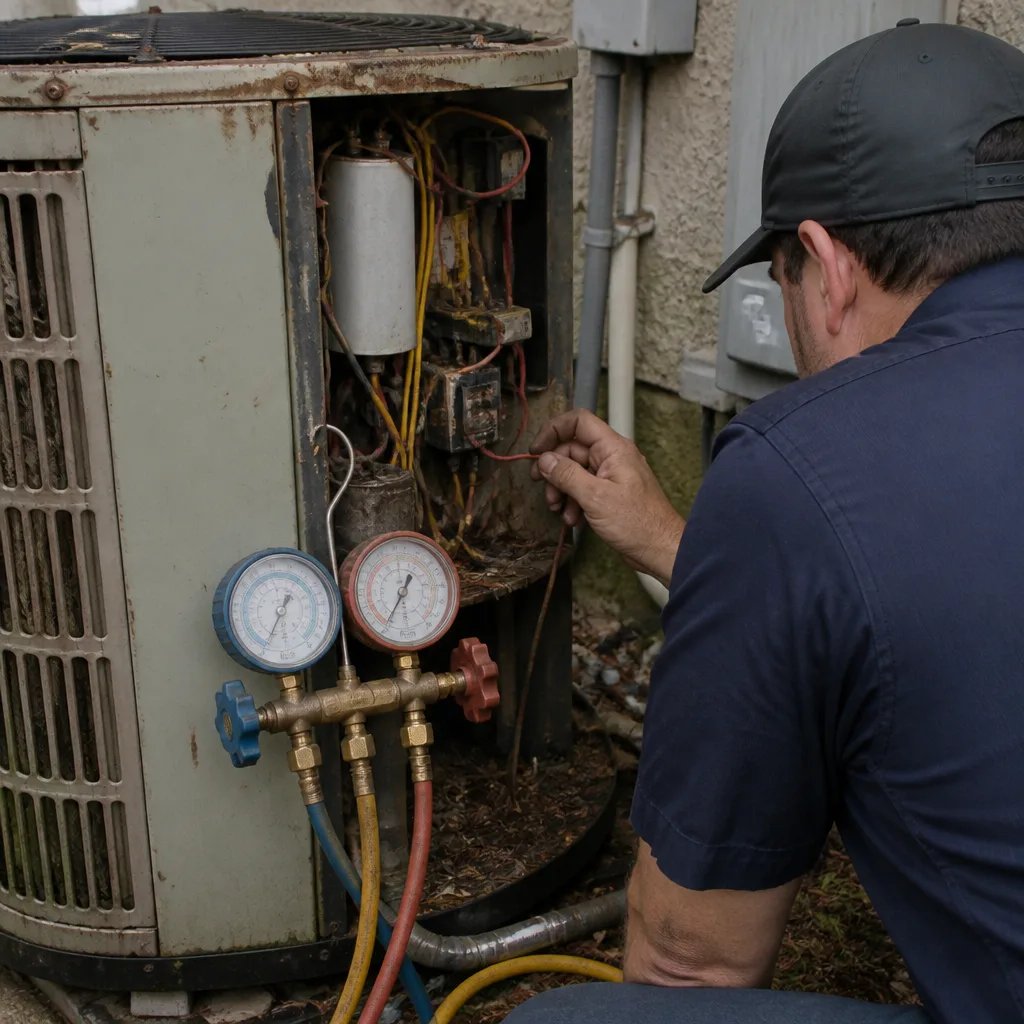 Before
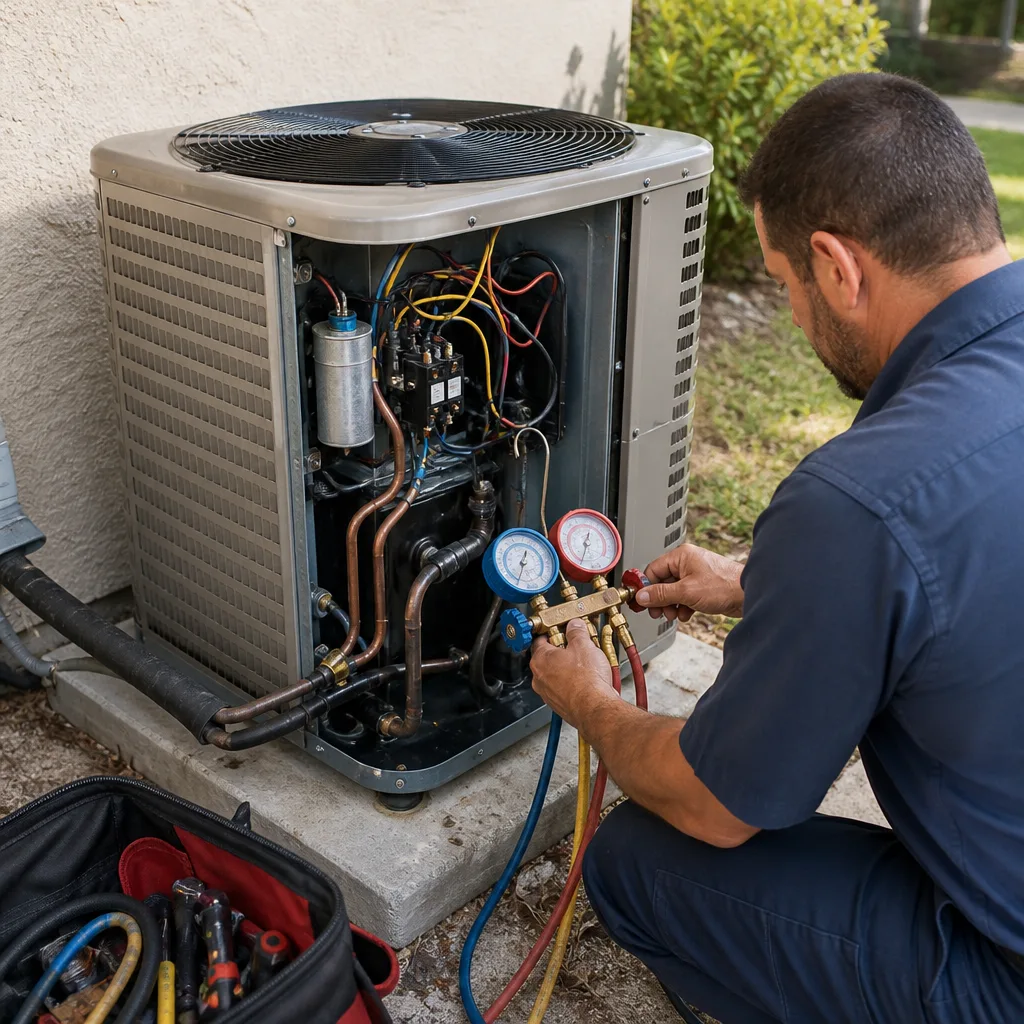 After
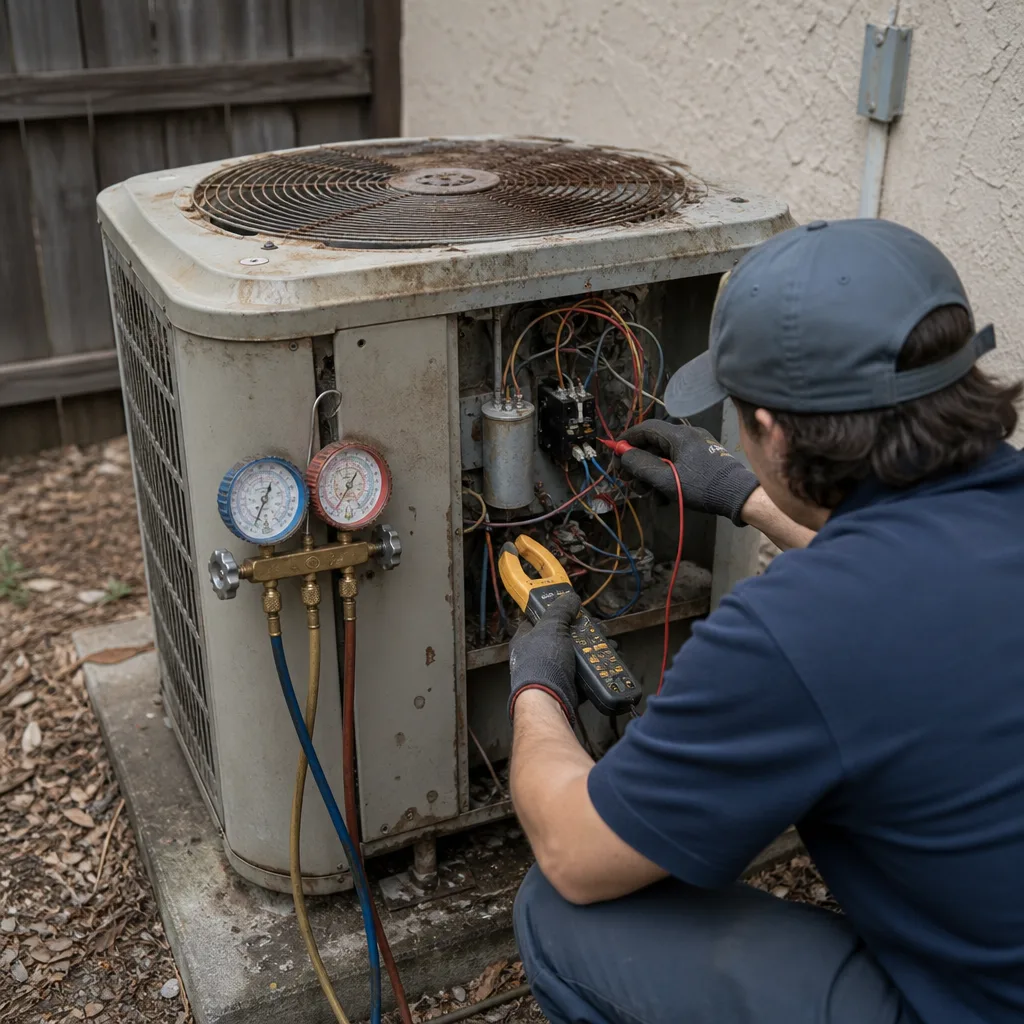 Before
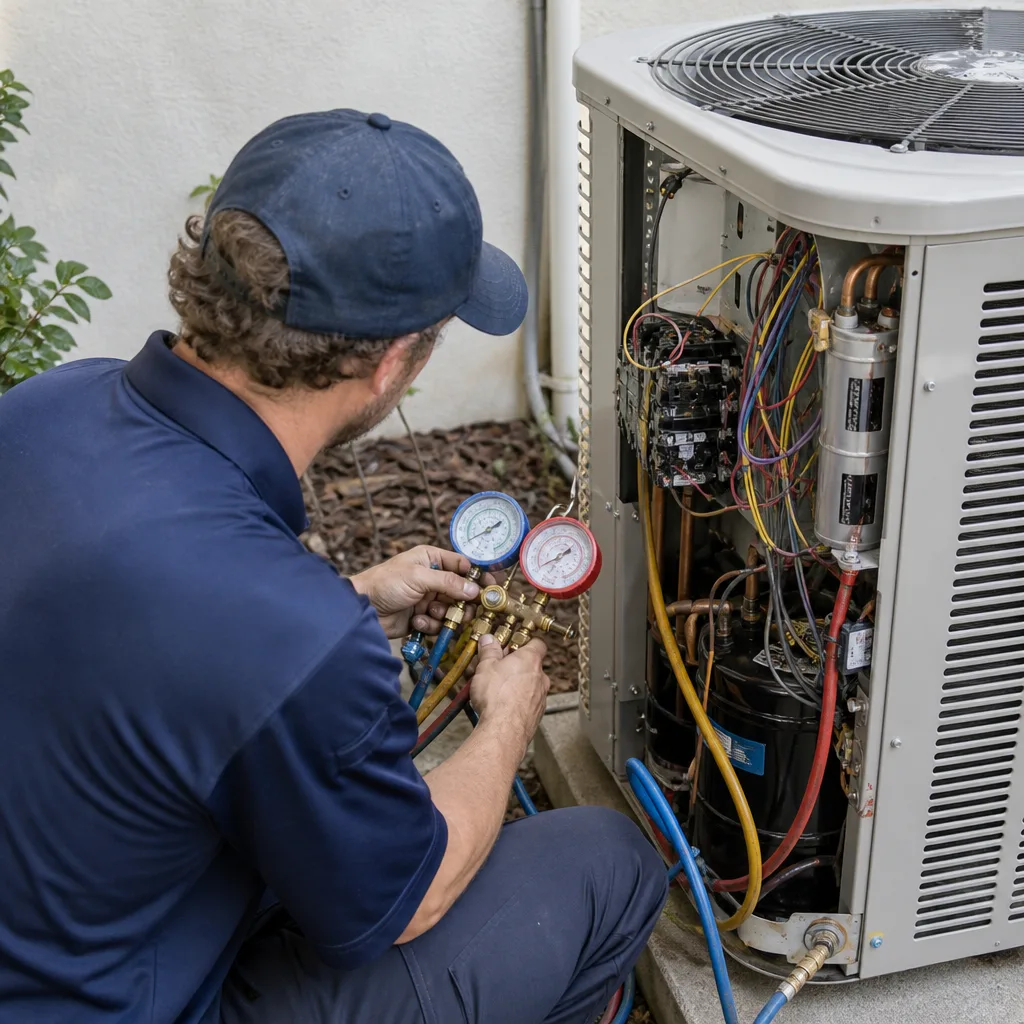 After
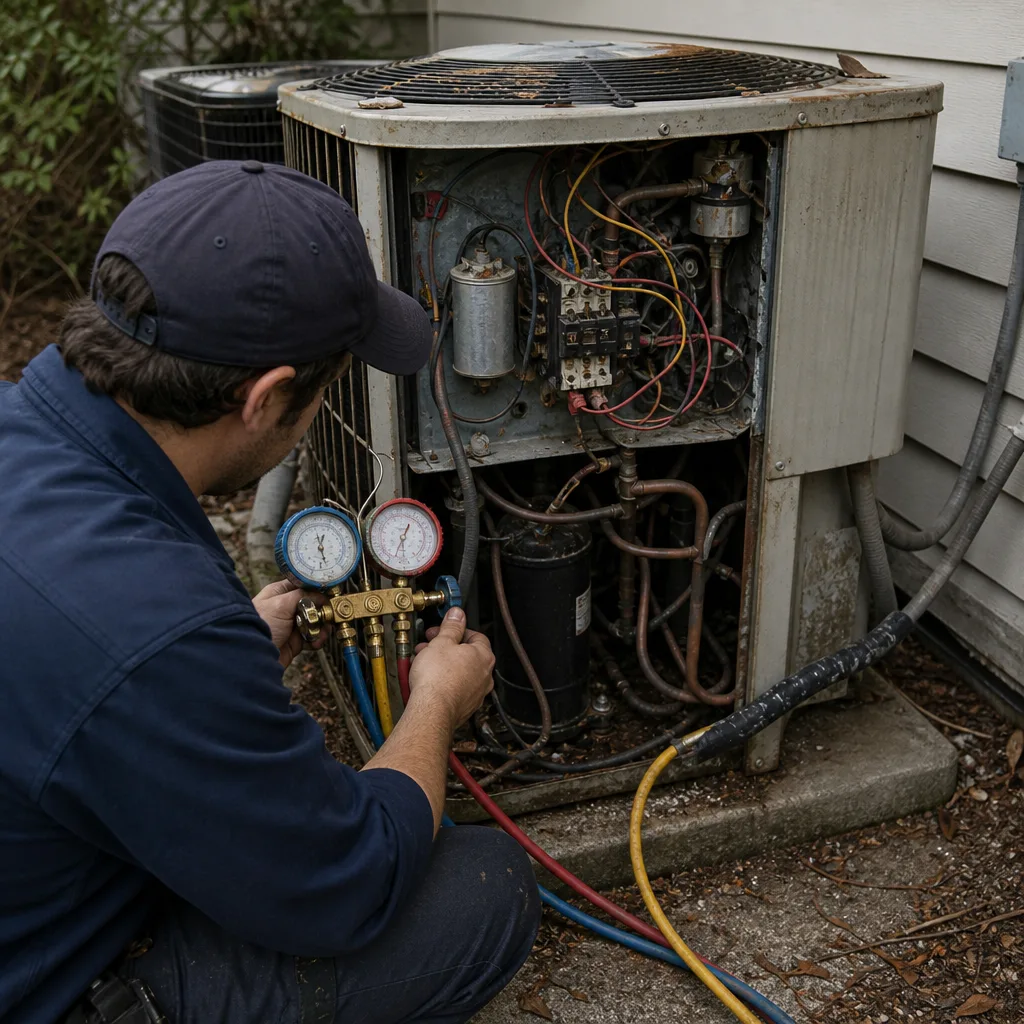 Before
 After