
Last updated October 16, 2026
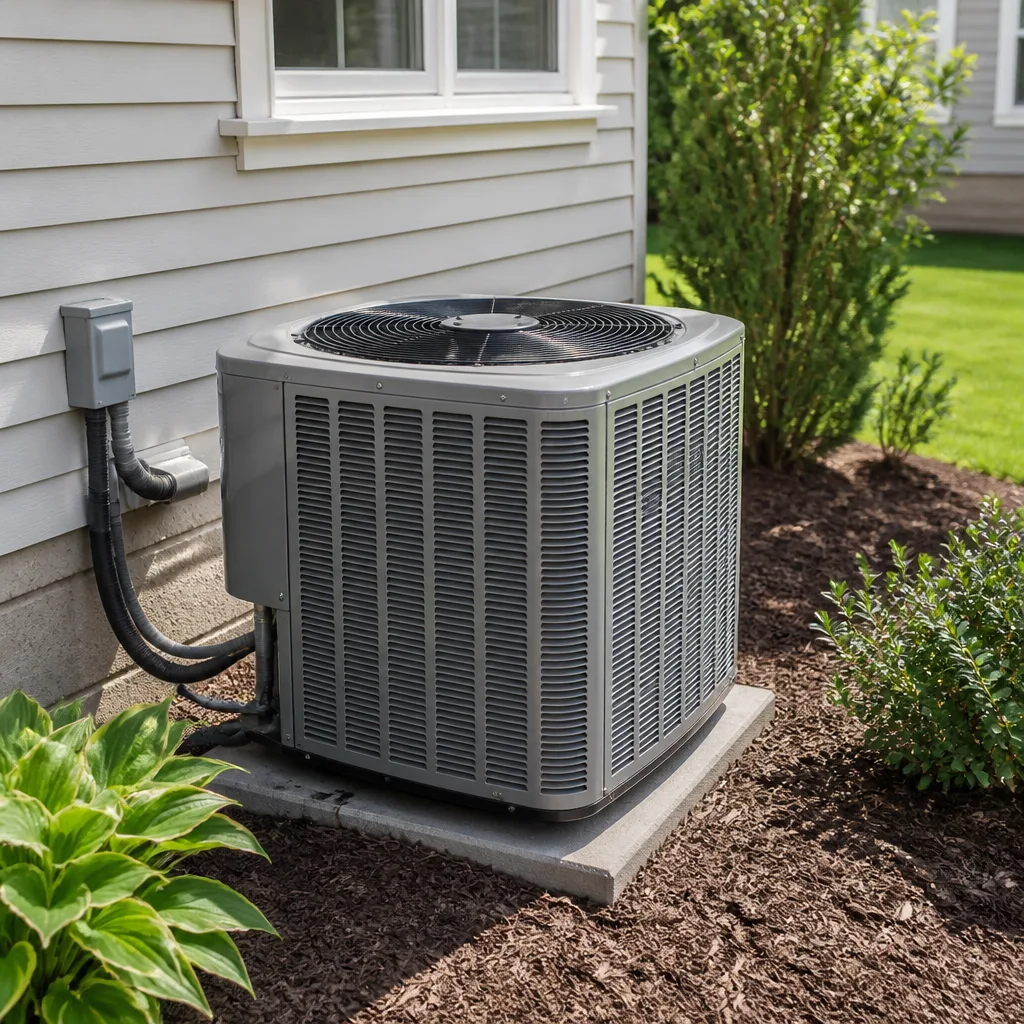 AC repair
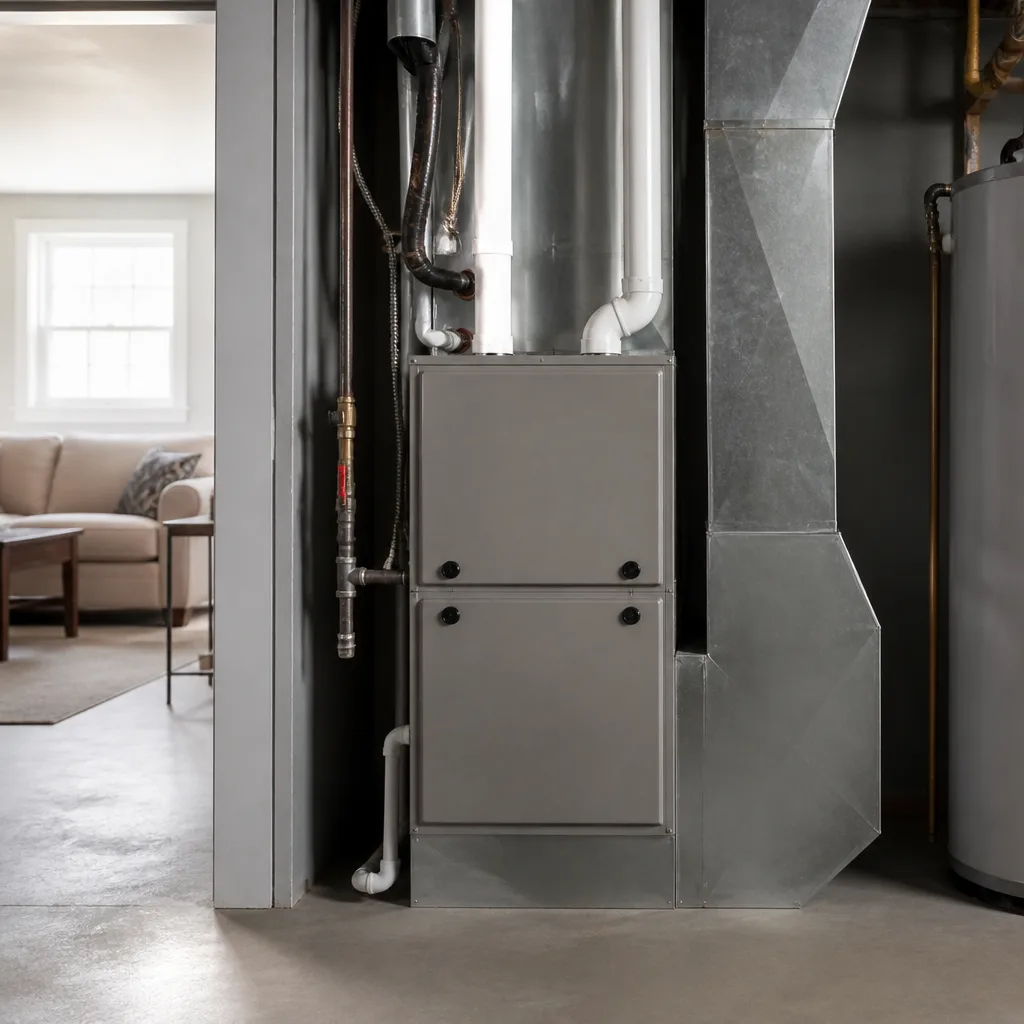 Furnace & heating
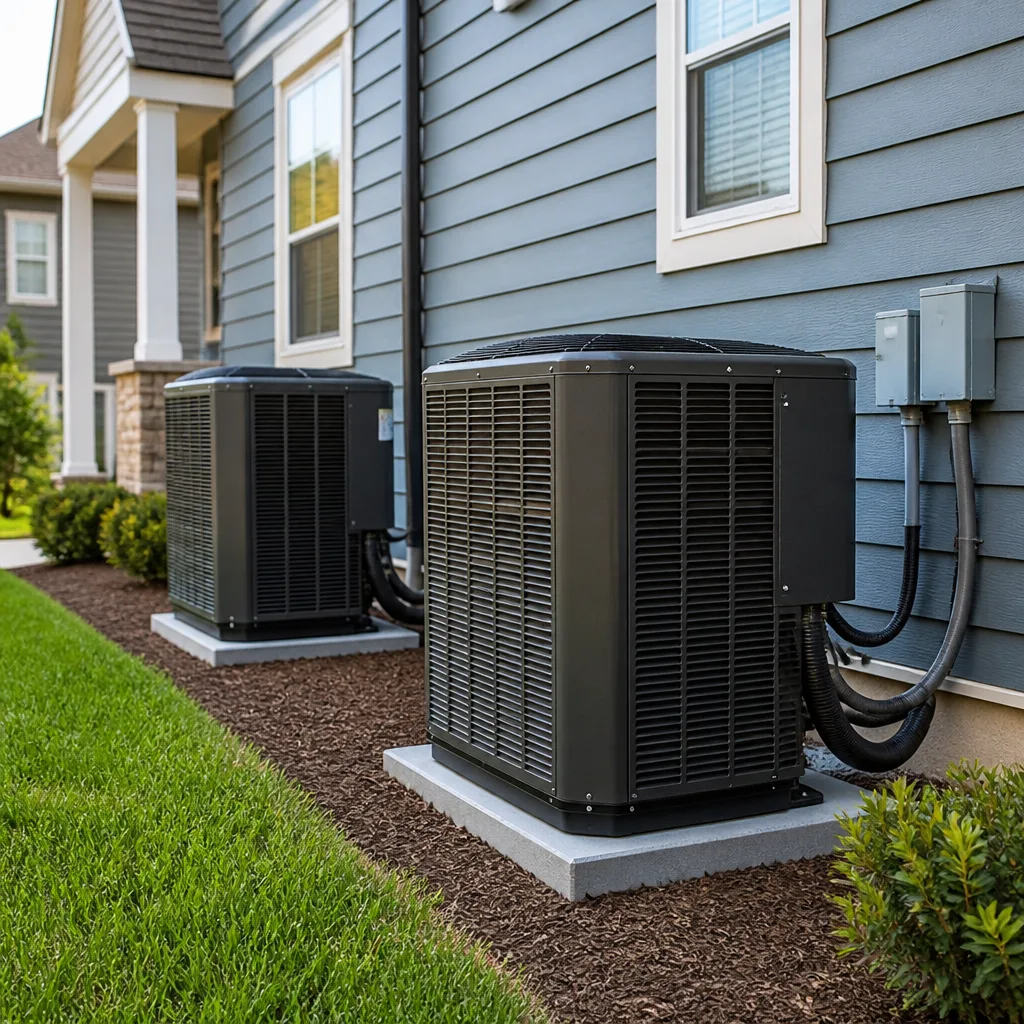 Heat pumps
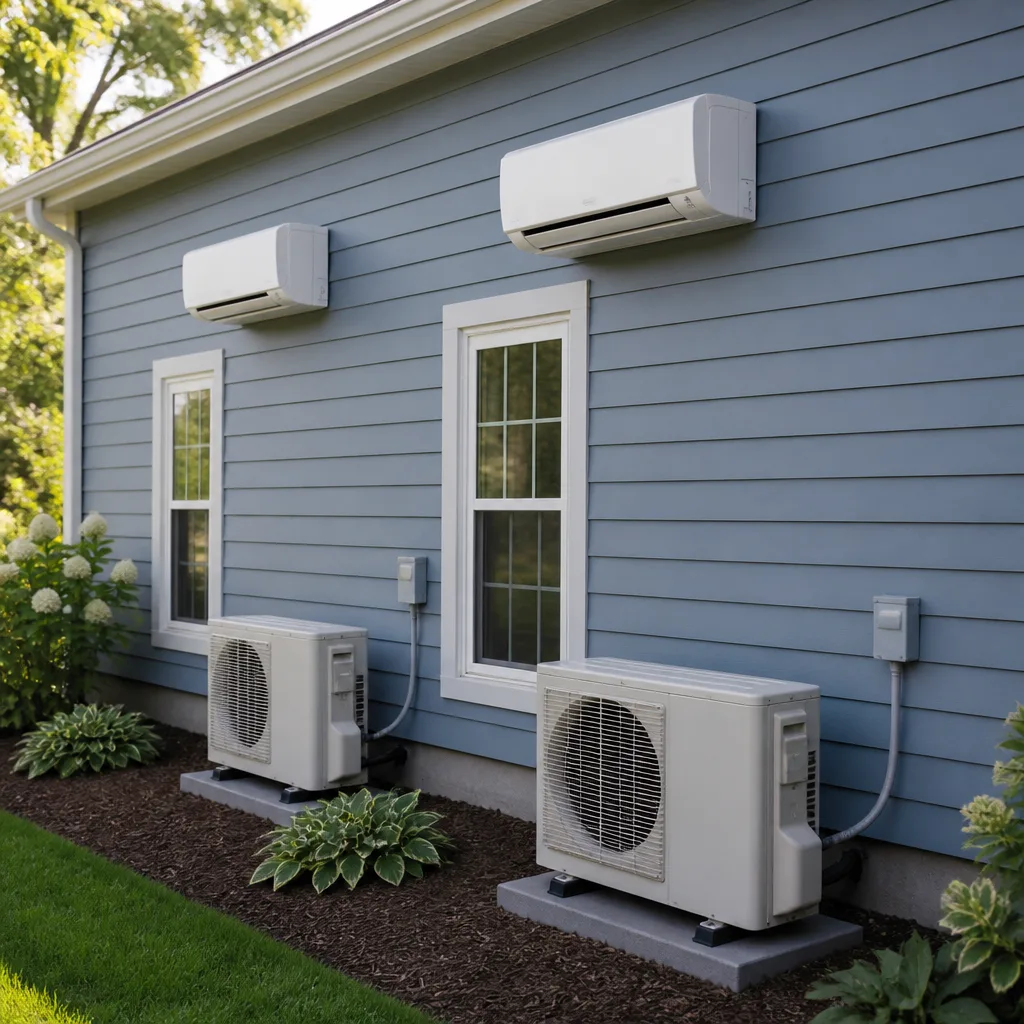 Ductless mini splits
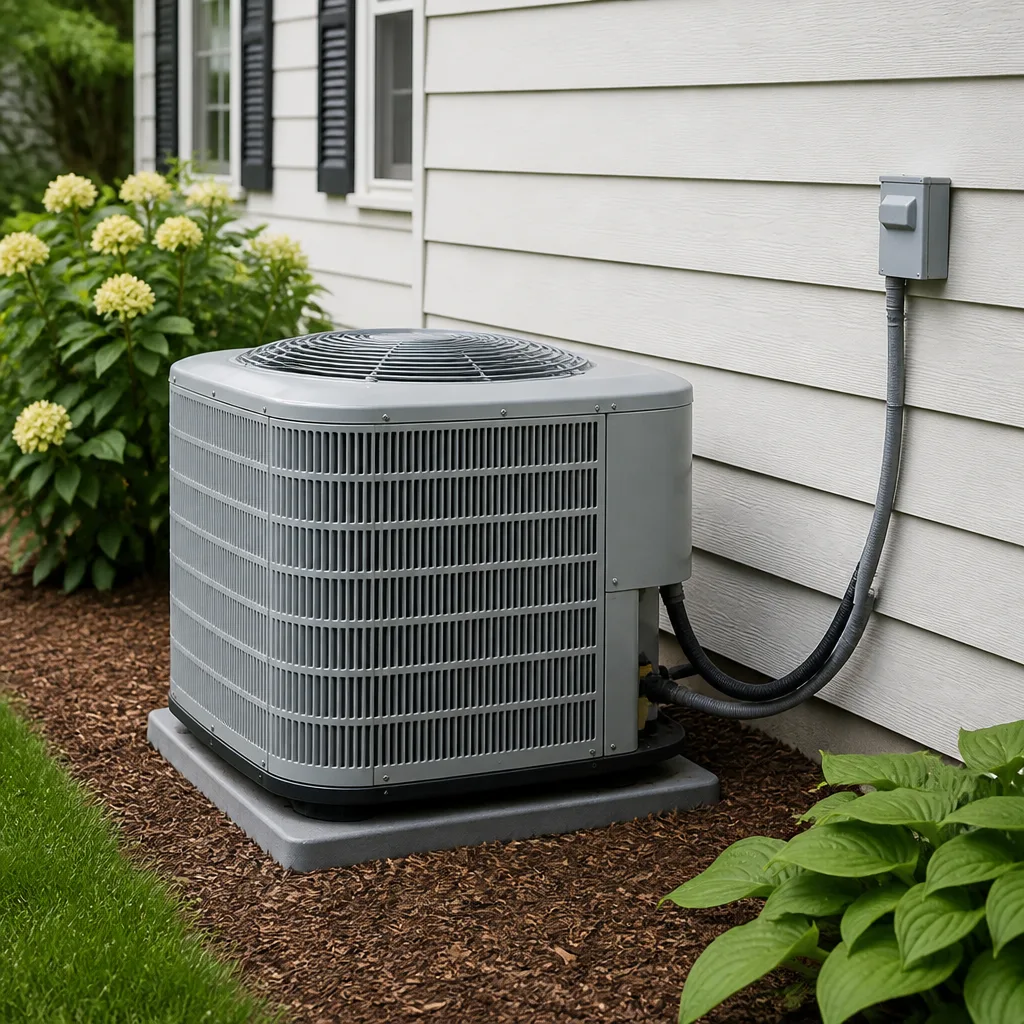 Carrier
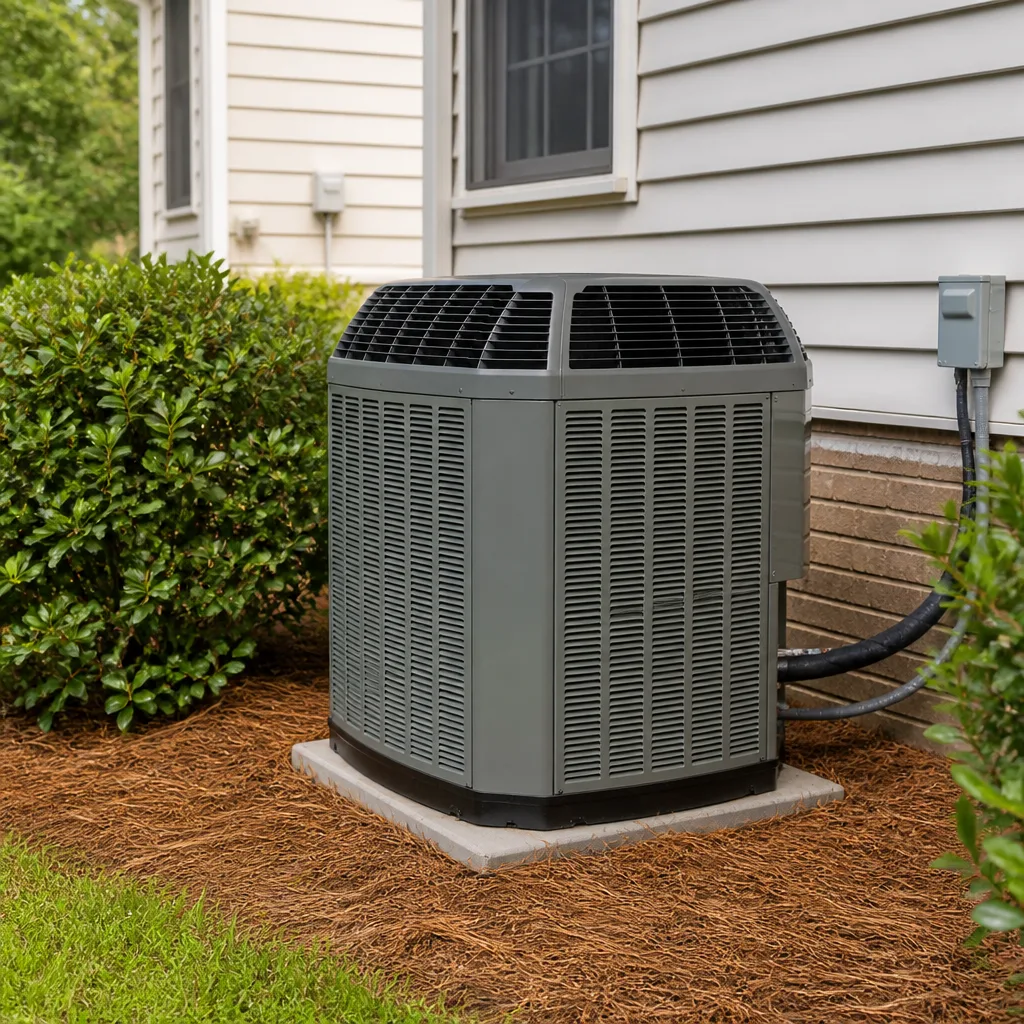 Trane
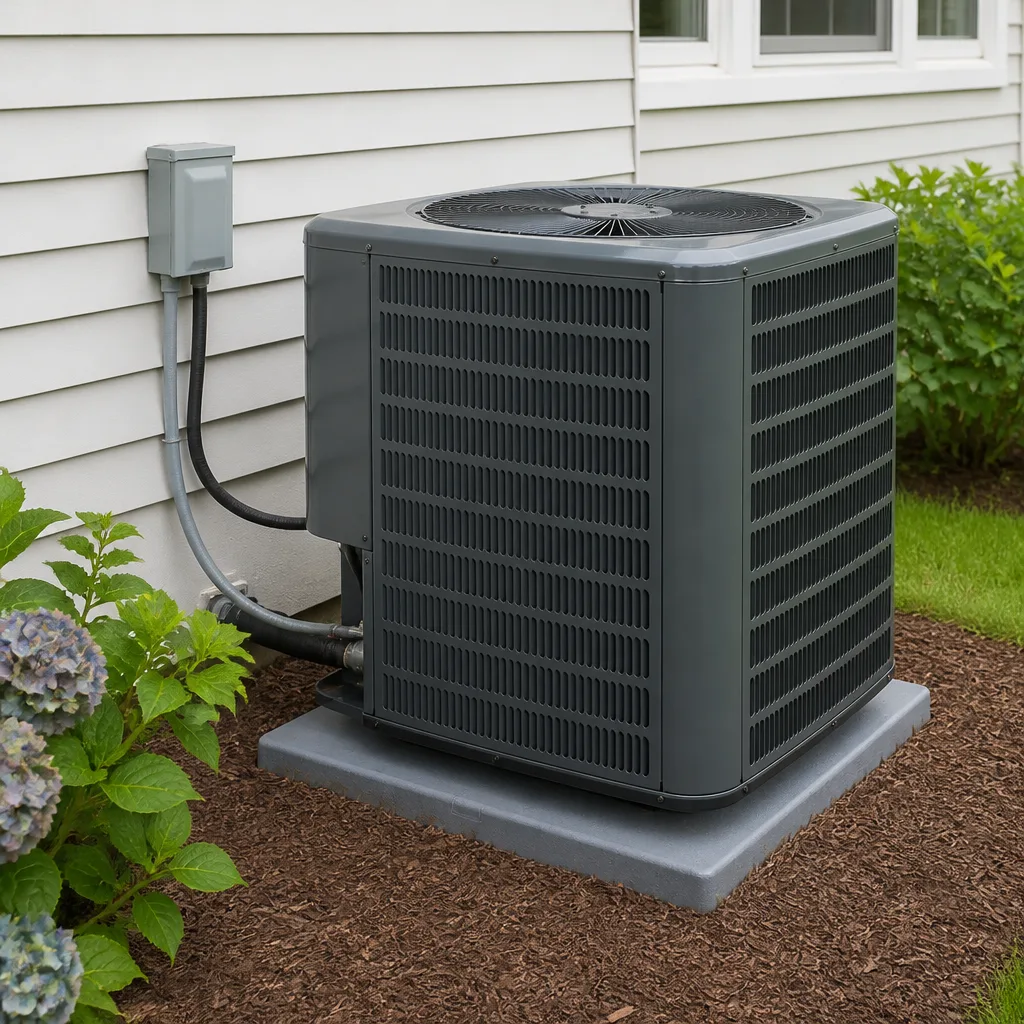 Goodman
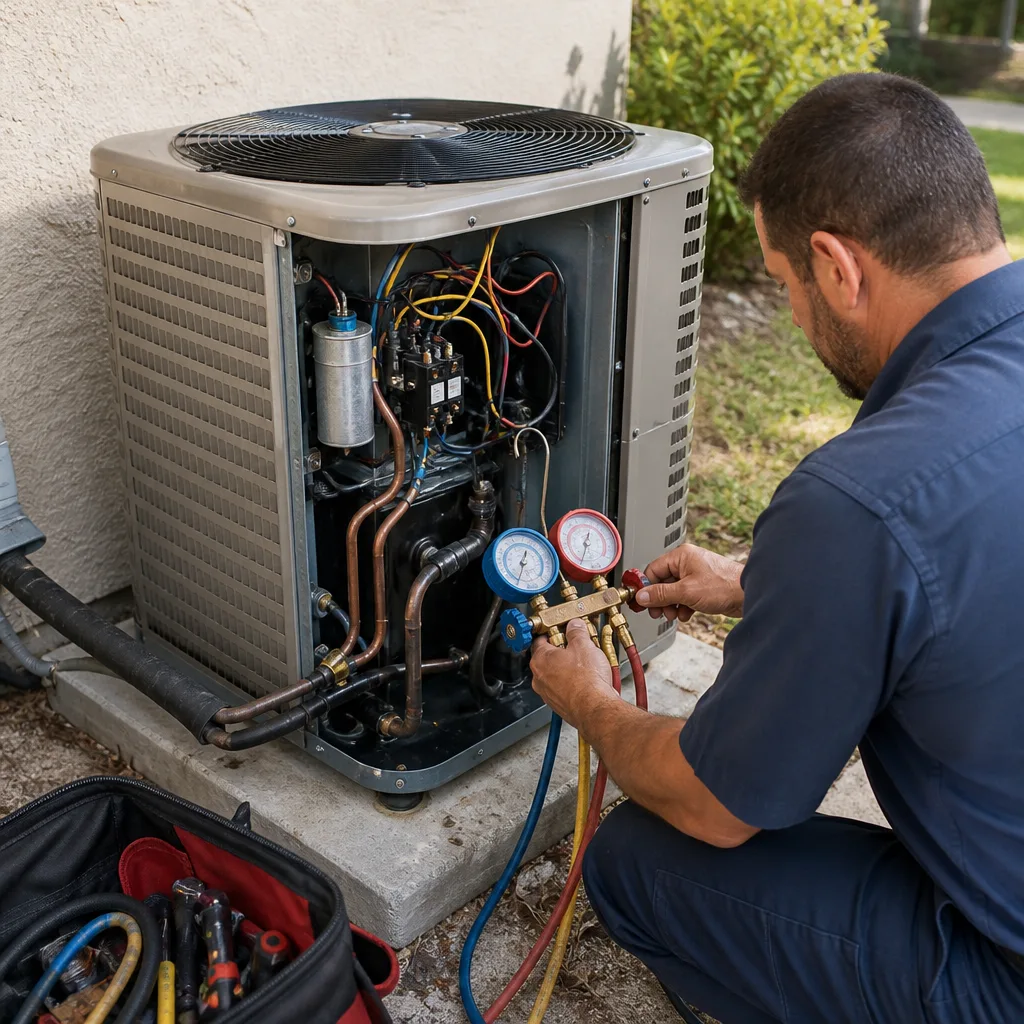
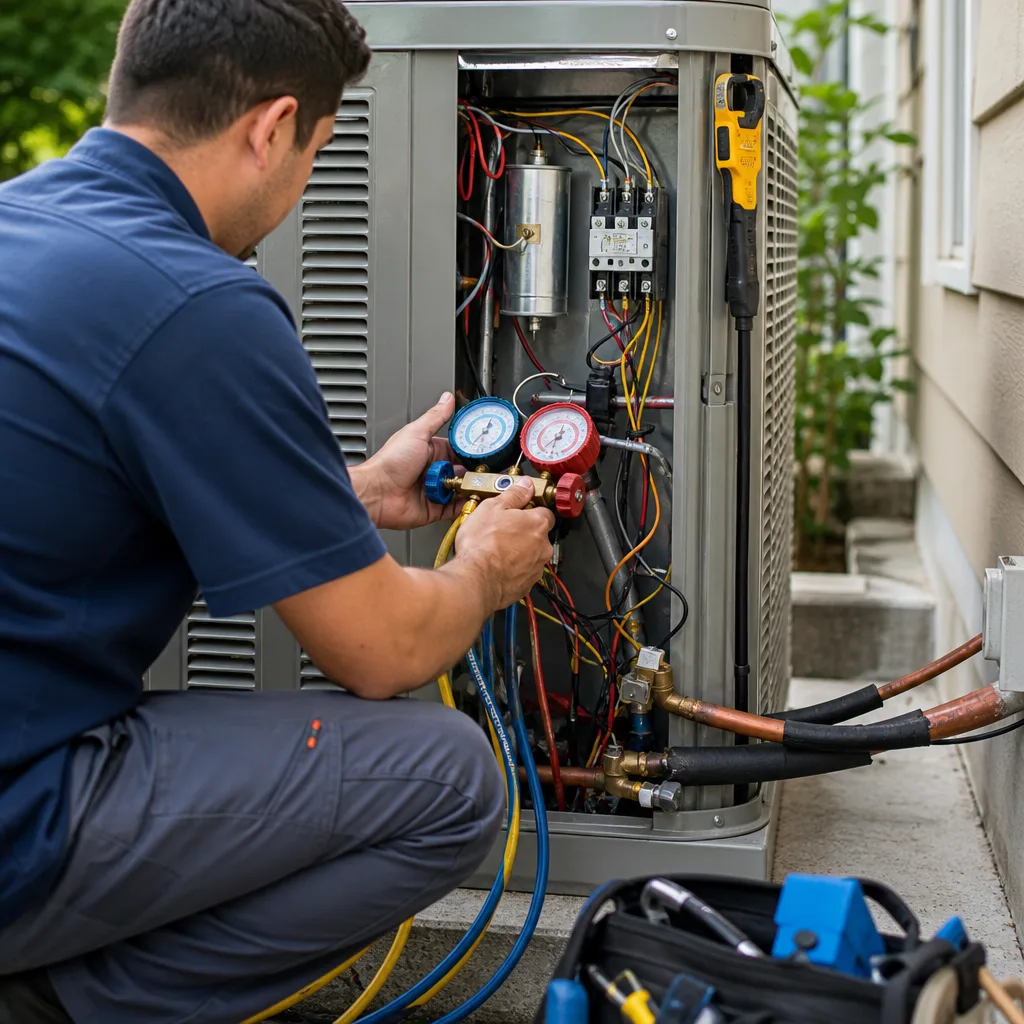
Seasonal tune-up and full diagnostic on your Carrier, Trane, or Goodman system - readings shown to you before any repair is proposed
Diagnosis first, numbers second - you approve the repair price before a single part goes in.
Get your free estimateThe Complete Guide to HVAC in Tampa
Tampa’s climate is not like the rest of Florida, and it’s certainly not like the national averages that most HVAC guidance is written for. We sit on a peninsula between the Gulf and the bay, which means our air carries moisture that inland cities never feel. The result is a cooling season that runs from March through November, a “winter” that still requires dehumidification, and equipment that accumulates more runtime hours in five years than a Minnesota furnace sees in twenty. This guide is written for Tampa homeowners specifically, because the decisions you make about your HVAC system should be based on Hillsborough County weather, local code, and the realities of a home that fights humidity every single day, not on generic advice written for someone in Ohio.
Styles & brands we work with
Quick Answer
The most important HVAC decision a Tampa homeowner makes is not brand or price; it is sizing the system correctly for local heat and humidity using a Manual J load calculation with Tampa-specific data. Most systems fail early or leave homes damp because they were oversized using national defaults that ignore our dew points. A properly sized system from a qualified installer, maintained twice a year, with attention to dehumidification separately from cooling, will last 12 to 15 years in Tampa and keep the house comfortable without mold or excessive energy bills.
Table of Contents
- Why Tampa’s Climate Breaks Generic HVAC Advice
- The Sizing Problem: Why Bigger Is Not Better in Tampa
- The Dehumidistat: The Most Overlooked Device in Tampa Homes
- How Major Brands Handle Tampa’s Humidity Differently
- Permits and Inspections in Hillsborough County: What They Protect
- Real Dollar Figures: What Tampa Homeowners Actually Pay
- The Maintenance Schedule That Actually Works in Tampa
- Should You Repair or Replace? A Tampa-Specific Framework
- Common Mistakes to Avoid
- When to Call a Professional
- Frequently Asked Questions
- The Bottom Line
Why Tampa’s Climate Breaks Generic HVAC Advice
Tampa averages 246 sunny days a year, but the real number that matters for your HVAC system is 90: the approximate number of days the heat index tops 95°F. That puts equipment under a strain that most manufacturer specs were never designed to sustain continuously. It is not just heat either. Our relative humidity rarely drops below 60% from May through October, and dew points in the mid-70s are common. A system that cools the air but does not remove enough moisture leaves the house feeling clammy at 74°F, forcing homeowners to lower the thermostat to 70 or 68 and pay for electricity they should not need.
In our experience across Tampa, from South Tampa bungalows to New Tampa subdivisions, we see the same pattern: systems that run constantly in August, short-cycle in October, and never quite dry the house out in either season. The reason is usually the same. The equipment was selected using a rule of thumb like “500 square feet per ton” instead of a room-by-room Manual J load calculation using Tampa weather data. The rule of thumb assumes dry heat. Tampa does not have dry heat. Tampa has a subtropical climate with a rainy season that runs from June through September and humidity that sits on the house like a wet blanket. Any guide that does not start with this fact is not written for you.
What this means practically is that every decision you make about your HVAC system in Tampa flows from one principle: the system’s job is dehumidification first, temperature control second. If you get that order wrong, you get high energy bills, mold risk, and a system that dies years early. Our Meadowsweet Heating and Air Tampa home page goes into more detail about how we approach this differently, but the core idea is simple: we treat humidity as the primary problem and temperature as the symptom.
The Sizing Problem: Why Bigger Is Not Better in Tampa
Here is the counterintuitive truth that saves Tampa homeowners thousands of dollars, as covered in our DIY vs Professional HVAC: The Tampa Homeowner’s Decision Guide: an oversized air conditioner is worse than an undersized one. An oversized system cools the house too quickly, satisfies the thermostat in 10 or 12 minutes, and then shuts off. That short cycle means the coil never stays cold long enough to wring moisture from the air. The result is a house that is cool but damp, with an electric bill that is higher than it should be because the system keeps cycling on and off.
The correct way to size a system in Tampa is a Manual J load calculation. This is an engineering standard published by the Air Conditioning Contractors of America, and it accounts for the specific characteristics of your house: square footage, ceiling height, window orientation, insulation levels, air leakage, and the number of occupants. But here is what most guides miss: the software’s default weather data matters enormously. If a contractor runs Manual J with national defaults instead of Tampa-specific climate data, the calculation will understate the latent load, which is the load created by humidity, not heat. The result is a system that is still oversized for the moisture in our air.
A properly sized system in Tampa will run longer cycles during peak cooling season, often 20 to 30 minutes at a time. That is good. It means the coil has time to condense moisture and drain it away. The system uses less energy overall, maintains steadier temperatures, and keeps the house drier. When we perform a load calculation for a Tampa home, we look at original records where available, inspect the attic insulation, measure the windows, and factor in the specific orientation of the house. A west-facing living room in South Tampa collects a lot more afternoon heat than the same room in a shaded lot in Carrollwood. The load calculation is the only way to know what your house actually needs.
The Dehumidistat: The Most Overlooked Device in Tampa Homes
Most Tampa homeowners know what a thermostat does. Far fewer know what a dehumidistat does, and that gap costs them comfort and money. A thermostat measures temperature. A dehumidistat measures relative humidity and tells the system to run based on moisture levels, not temperature alone. In a climate like Tampa’s, where humidity is the primary comfort problem for three-quarters of the year, a dehumidistat is arguably more important than the thermostat.
Here is a common scenario. It is 72°F outside in November. The air feels pleasant, so the thermostat never calls for cooling. But inside the house, the relative humidity is 68% because the air conditioner has not run all day. That is the humidity level at which mold begins to grow on drywall, wood, and fabric. A dehumidistat wired into the system will notice the humidity and run the air conditioner briefly to remove moisture, even if the temperature is already at the set point. This is called overcooling, and it is a feature, not a bug, when it is controlled properly.
Ignoring a dehumidistat in Tampa leads to more than discomfort. It leads to mold, mildew smells, warped wood floors, and respiratory irritation for kids and pets. The dehumidistat should be set to 55% or lower during the humid months. Some systems also support a dedicated whole-home dehumidifier, which is a separate piece of equipment that removes moisture without overcooling the space. In homes with high ceilings, lots of windows, or older construction, a whole-home dehumidifier often pays for itself in comfort and prevents the need to run the main system harder than necessary.
How Major Brands Handle Tampa’s Humidity Differently
Tampa homeowners often ask us which brand is best, and the honest answer is that in a humid climate, the brand matter is less about overall quality and more about how the equipment is configured. We service nine major equipment brands, including Carrier, Trane, Lennox, Goodman, Rheem, York, Daikin, Bryant, and American Standard, and all of them can perform well in Tampa if they are matched with the right controls and properly sized. But they do handle humidity differently, and understanding those differences helps you make a better decision.
Carrier systems with variable-speed compressors can run at low capacity for long periods, which is excellent for dehumidification during Tampa’s shoulder seasons when full-blast cooling is not needed. The Infinity line in particular allows for precision humidity control through the thermostat. Trane takes a similar approach with its variable-speed units, and its ComfortLink II communicating system can manage humidity targets directly. Bryant, which is part of the same corporate family as Carrier, offers comparable variable-speed technology at a somewhat lower price point. American Standard, which shares engineering with Trane, has variable-speed options that perform well in humid conditions.
The key with any brand in Tampa is not the nameplate; it is whether the system uses a variable-speed or multi-stage compressor rather than a simple single-stage unit. Single-stage equipment cycles on and off at full capacity, which is the worst behavior for dehumidification in shoulder-season weather. A variable-speed system can run at 30% or 40% capacity for an hour, quietly pulling moisture from the air without blasting cold air through the house. If you are choosing between a single-stage unit from a premium brand and a variable-speed unit from a mid-range brand in Tampa, the variable-speed unit is almost always the better choice.
For a deeper look at how we handle equipment selection and installation in Tampa specifically, our AC Installation in Tampa page walks through the process from load calculation to final walkthrough.
Permits and Inspections in Hillsborough County: What They Protect
When you replace an HVAC system in Tampa, the work requires a mechanical permit from Hillsborough County, and the installation must pass an inspection. This is not a formality or a revenue grab. The permit process exists to protect you from unsafe installations that create fire hazards, refrigerant leaks, or electrical problems, and it protects your manufacturer warranty. Here is the part most homeowners do not realize: if you install a system without a permit and the compressor fails in year two, the manufacturer can deny the warranty claim because the installation was not documented as code-compliant. Skipping the permit is not a money-saving shortcut; it is a warranty voiding one.
The permit chain in Hillsborough County works in the following order:
- The contractor pulls a mechanical permit before work begins. This requires a licensed contractor on record.
- The contractor installs the system and schedules an inspection with the county.
- A county inspector verifies the installation against code: electrical connections, refrigerant line set, condensate drainage, disconnect placement, and duct connections.
- If anything fails, the contractor must correct it and schedule a re-inspection.
- Once the inspection passes, the installation is documented, and your warranty protection is intact.
Any contractor who suggests skipping the permit to save money or time is telling you something important about how they operate, and our How to Hire a HVAC Contractor in Tampa: A Step-by-Step Guide explains what else to watch for. A legitimate Tampa contractor handles the permit as a routine part of the job. At Meadowsweet Heating and Air Tampa, the written price we provide before any work starts includes the permit cost, so there is never a surprise line item later. That is part of the Cedarwell Care Promise that every job carries.
Real Dollar Figures: What Tampa Homeowners Actually Pay
Here are realistic price ranges for HVAC work in Tampa as of 2025, based on what we see across the city. These are not national averages; they reflect Hillsborough County labor rates, permit fees, and the Florida equipment market.
- Diagnostic service call: $89 to $149, depending on location and time of day.
- Annual maintenance tune-up (one system): $129 to $249.
- Common AC repairs (capacitor, contactor, fan motor): $180 to $450.
- Condensate drain clearing or repair: $125 to $300.
- Thermostat replacement or upgrade: $150 to $450, including installation.
- Full AC system replacement (3-ton, 14-16 SEER): $6,500 to $9,500.
- Full AC system replacement (3-ton, 18-20 SEER variable-speed): $10,000 to $14,000.
- Ductwork replacement (average 2,000 sq ft home): $3,500 to $6,500.
- Whole-home dehumidifier (installed): $1,800 to $3,200.
- UV air purifier (installed): $600 to $1,200.
These ranges assume a standard installation with existing ductwork in usable condition. If your home requires new ductwork, electrical upgrades, or significant refrigerant line modifications, the price will be higher. The only way to get an exact number for your house is an in-person evaluation with a written quote. We provide that written price before any work starts, on every visit, every time, as part of the Cedarwell Care Promise. This is also how the system works when we handle AC Repair in Tampa: you know the cost before we pick up a tool.
The Maintenance Schedule That Actually Works in Tampa
Most national HVAC guides recommend twice-yearly maintenance, which is correct for Tampa but for reasons specific to our climate. In northern states, the two visits are about switching between heating and cooling season. In Tampa, the two visits are both about the same season, because our cooling season is effectively year-round. The spring visit prepares the system for the summer load. The fall visit addresses the wear from summer and prepares the system for the humid shoulder season.
Here is the maintenance schedule we recommend for Tampa homeowners, in order:
- March or April: Pre-summer tune-up. We check refrigerant charge, clean the condenser coil, inspect the capacitor and contactor, verify the condensate drain is clear, and measure temperature differential across the coil.
- September or October: Post-summer inspection. We check for component wear from the extended runtime, clean or replace the air filter, inspect the drain pan and float switch, and test the dehumidistat if one is installed.
- Monthly: Check and replace the air filter as needed. In Tampa, with the system running most months, a 1-inch filter should be replaced every 30 to 60 days. A dirty filter is the single most common cause of preventable breakdowns.
- Quarterly: Pour a cup of white vinegar or a commercial condensate drain treatment into the drain line to prevent algae buildup, which is a constant issue in Tampa’s humid conditions.
- Annually: Have the ductwork visually inspected for leaks, especially in attics, which reach extreme temperatures in Florida summers and accelerate duct deterioration.
A system that receives this maintenance schedule will typically last 12 to 15 years in Tampa, sometimes longer. A system that receives no maintenance will often fail at the 8 to 10 year mark, usually from a preventable problem like refrigerant loss or a locked compressor. The maintenance cost is not money spent; it is money shifted from emergency repairs to planned visits, and it keeps your indoor air cleaner for kids and pets.
Should You Repair or Replace? A Tampa-Specific Framework
The repair-versus-replace decision is always contextual, but in Tampa, there are two factors that tip the scales more often toward replacement than in cooler climates. The first is runtime. A Tampa AC system runs 2,500 to 3,500 hours per year. Compare that to a Chicago system that runs 600 to 800 cooling hours. The equipment ages faster because it works harder. The second factor is humidity performance. Older systems, even when repaired, often lack the variable-speed capability that modern systems use to control moisture. You can repair a 15-year-old single-stage unit and still have a damp house.
Here is the framework we use with Tampa homeowners:
- Repair makes sense if the system is under 10 years old, the repair cost is under $600, and the system is single-stage but still dehumidifies adequately for your comfort.
- Repair is questionable if the system is 10 to 14 years old and the repair cost is $600 to $1,500. The repair may buy a few years, but a major component failure is likely to follow.
- Replacement is usually the better call if the system is over 14 years old and the repair is over $1,500. You are spending a significant fraction of a new system’s cost on equipment that has already outlived its Tampa life expectancy.
- Replacement is strongly recommended if the system uses R-22 refrigerant, which has been phased out and is increasingly expensive. A refrigerant recharge on an R-22 system in Tampa can cost $800 to $1,500, and that money disappears into an obsolete system.
When a repair makes sense, our AC Repair in Tampa service handles it with a written price before any work starts. When replacement is the right call, we walk through the options without pressure. The goal is the same either way: a house that stays cool and dry, with equipment that does not fail in August when you need it most.
Common Mistakes to Avoid
- Skipping the permit: Some homeowners are tempted to hire an unlicensed contractor who will skip the Hillsborough County permit to save a few hundred dollars. What actually happens is the warranty is voided, the installation is not inspected, and any future insurance claim related to the HVAC system can be denied.
- Replacing the system without a load calculation: If a contractor quotes you a same-size replacement without visiting your home or performing a Manual J calculation, you are likely to get an oversized system that short-cycles and leaves the house humid.
- Ignoring the dehumidistat: Many Tampa homes have a dehumidistat that is disconnected, miswired, or set incorrectly. When the dehumidistat is ignored, the house stays humid even when the temperature is comfortable, and mold risk climbs silently.
- Using a restrictive high-MERV filter in an older system: High-MERV filters improve particle capture but increase static pressure. In older duct systems, a MERV 13 filter can reduce airflow enough to freeze the coil or reduce cooling capacity. Check with a technician before upgrading filter MERV rating.
- Skipping fall maintenance: In most of the country, fall maintenance is about heating. In Tampa, it is about recovering from summer and preparing for the humid shoulder season. Skipping the fall visit means going into the next summer with unknown wear.
- Setting the thermostat too low to compensate for humidity: If the house feels damp at 74°F and you drop the thermostat to 68°F, you are paying for colder air that does not solve the moisture problem. The solution is dehumidification, not more cooling.
- Choosing a brand without considering staging: A premium brand’s single-stage unit will underperform a mid-range brand’s variable-speed unit in Tampa’s humidity. Equipment configuration matters more than the badge on the cabinet.
When to Call a Professional
Some HVAC issues are safe to address yourself: changing the air filter, clearing leaves from around the outdoor unit, pouring vinegar into the condensate drain line. But other situations call for a trained technician, and in Tampa, the heat and humidity make speed matter. If your AC is blowing warm air in July, if you hear grinding or banging from the outdoor unit, if water is pooling around the indoor air handler, or if you smell a burning odor coming from the vents, turn the system off and call for service. Electrical problems, refrigerant leaks, and compressor failures are not DIY projects; they are dangerous for an untrained person to address. If your furnace is acting up during Tampa’s brief but real cold snaps, our Furnace Repair in Tampa page covers the specifics. Meadowsweet Heating and Air Tampa offers free estimates in Tampa for system evaluations, repairs, and replacements. Call (728) 212-0500 and a live person will answer, day or night.
Frequently Asked Questions
A full AC system replacement in Tampa typically costs between $6,500 and $14,000, depending on the system’s size, efficiency rating, and whether variable-speed technology is included; see our HVAC Cost Breakdown: The Tampa Homeowner’s Reference for 2026 for detailed pricing. The price includes equipment, installation labor, the Hillsborough County permit, and the inspection. Call (728) 212-0500 for a written quote specific to your home.
You should have your AC system professionally serviced twice a year in Tampa: once in March or April before the summer load, and once in September or October after summer wear. Between visits, replace the air filter every 30 to 60 days during heavy cooling months and treat the condensate drain quarterly to prevent algae buildup.
High indoor humidity in Tampa usually means the system is oversized, the dehumidistat is not functioning, or the system is short-cycling because it reaches the temperature set point too quickly to remove moisture. The fix is typically a proper load calculation, dehumidistat repair or installation, or a variable-speed system that runs longer cycles.
Yes, replacing an HVAC system in Tampa requires a mechanical permit from Hillsborough County and a passing inspection. Skipping the permit voids the manufacturer warranty and leaves the installation uncertified. A reputable contractor handles the permit as part of the job, which is our standard practice at Meadowsweet Heating and Air Tampa.
In Tampa’s humid climate, the best brand is less important than the system configuration. A variable-speed unit from Trane, Carrier, Bryant, or American Standard will almost always outperform a single-stage unit from any brand, because variable-speed equipment runs longer, lower cycles that remove more moisture. The sizing and installation quality matter more than the nameplate.
A well-maintained AC system in Tampa typically lasts 12 to 15 years, but the runtime is extreme compared to northern climates. Tampa systems run 2,500 to 3,500 hours per year, so a 12-year-old Tampa system has roughly the same runtime as a 25-year-old Chicago system. Maintenance is the single biggest factor in lifespan.
The Bottom Line
Tampa is a unique market for HVAC because the humidity never leaves, even when the heat briefly does. The right system for a Tampa home is one that is sized correctly with local load data, equipped to dehumidify separately from cooling, and maintained on a schedule that matches our year-round cooling season. The wrong system is one that was chosen by rule of thumb, oversized for safety margin, and installed without a permit. If you are making an HVAC decision in Tampa, start with the load calculation, insist on the dehumidistat, and choose a contractor who gives you a written price before any work starts, or explore more guides & resources on our blog. That is how we work at Meadowsweet Heating and Air Tampa, and it is what the Cedarwell Care Promise stands behind.
Written by Luis Serrano, Owner at Meadowsweet Heating and Air Tampa, serving Tampa since 2004.
See the difference
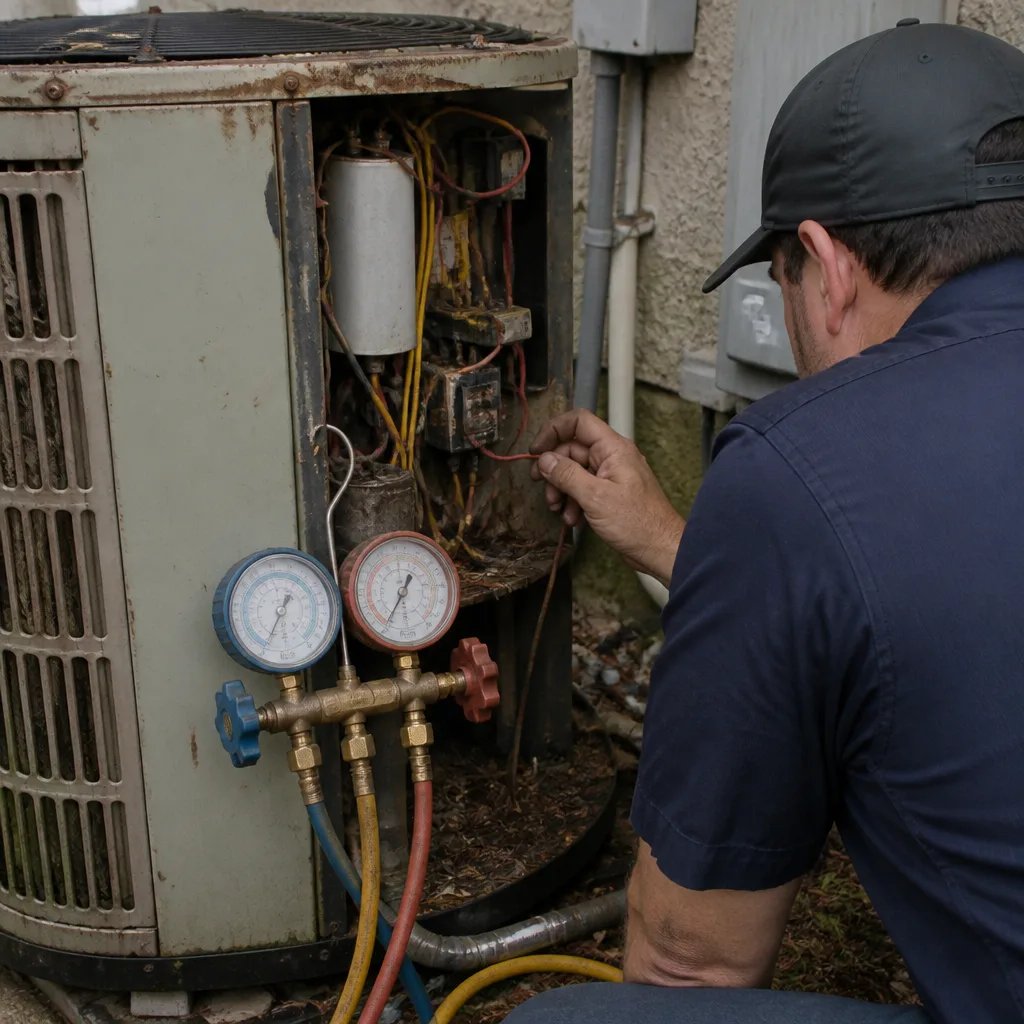 Before
 After
 Before
 After
 Before
 After