
Last updated October 16, 2026
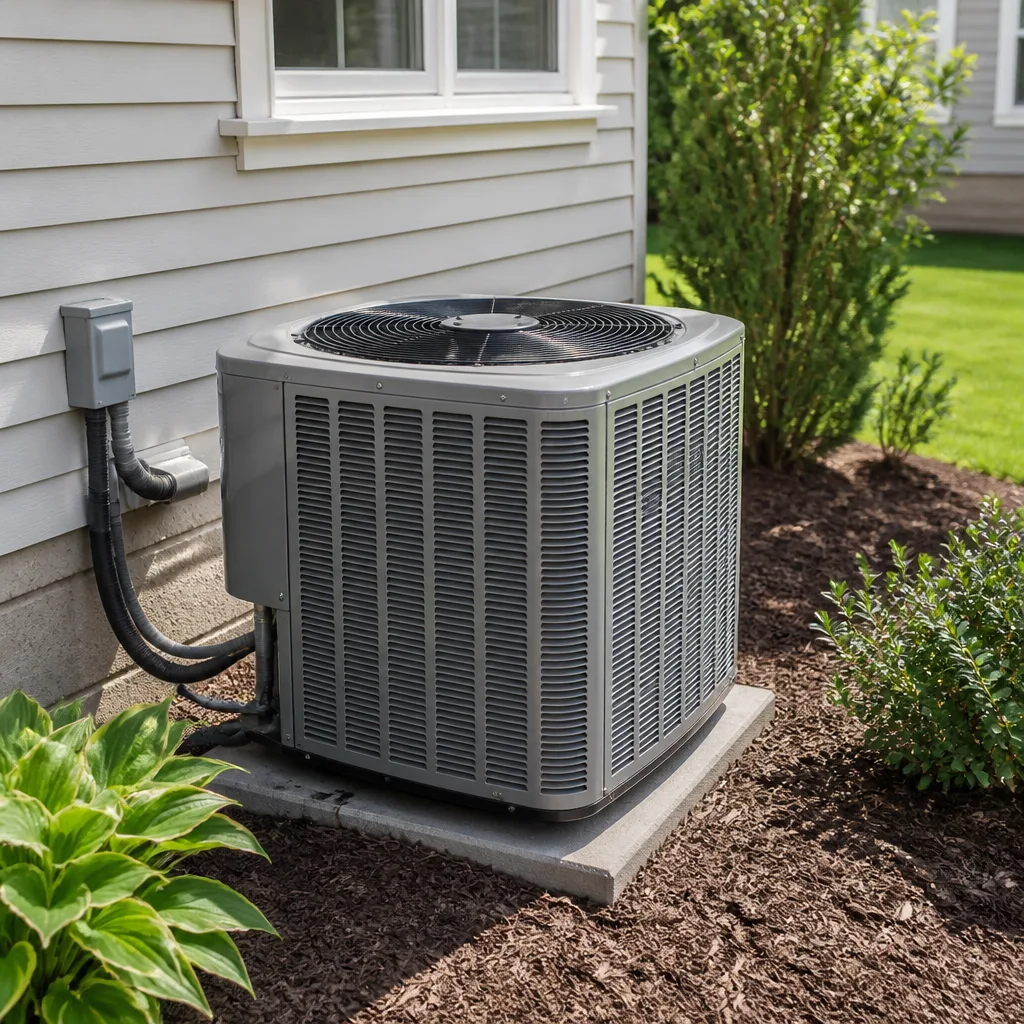 AC repair
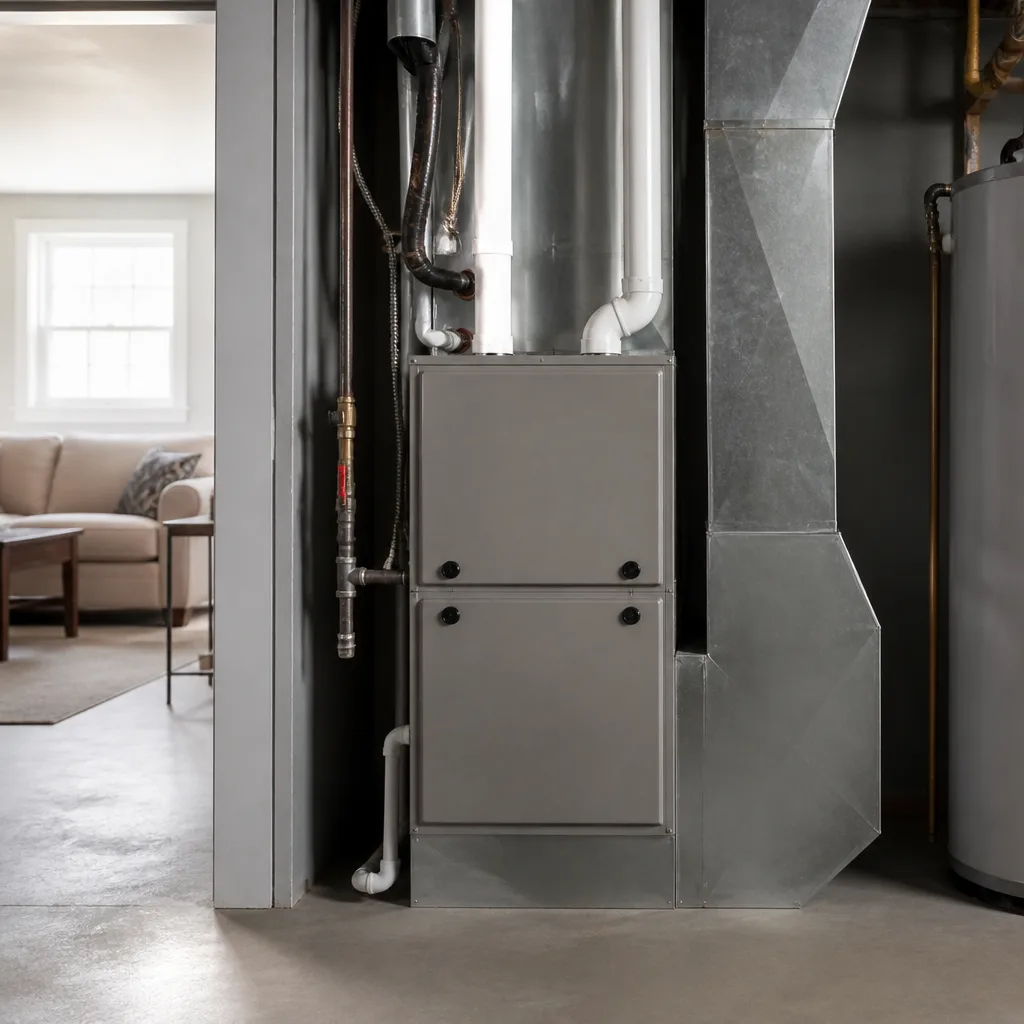 Furnace & heating
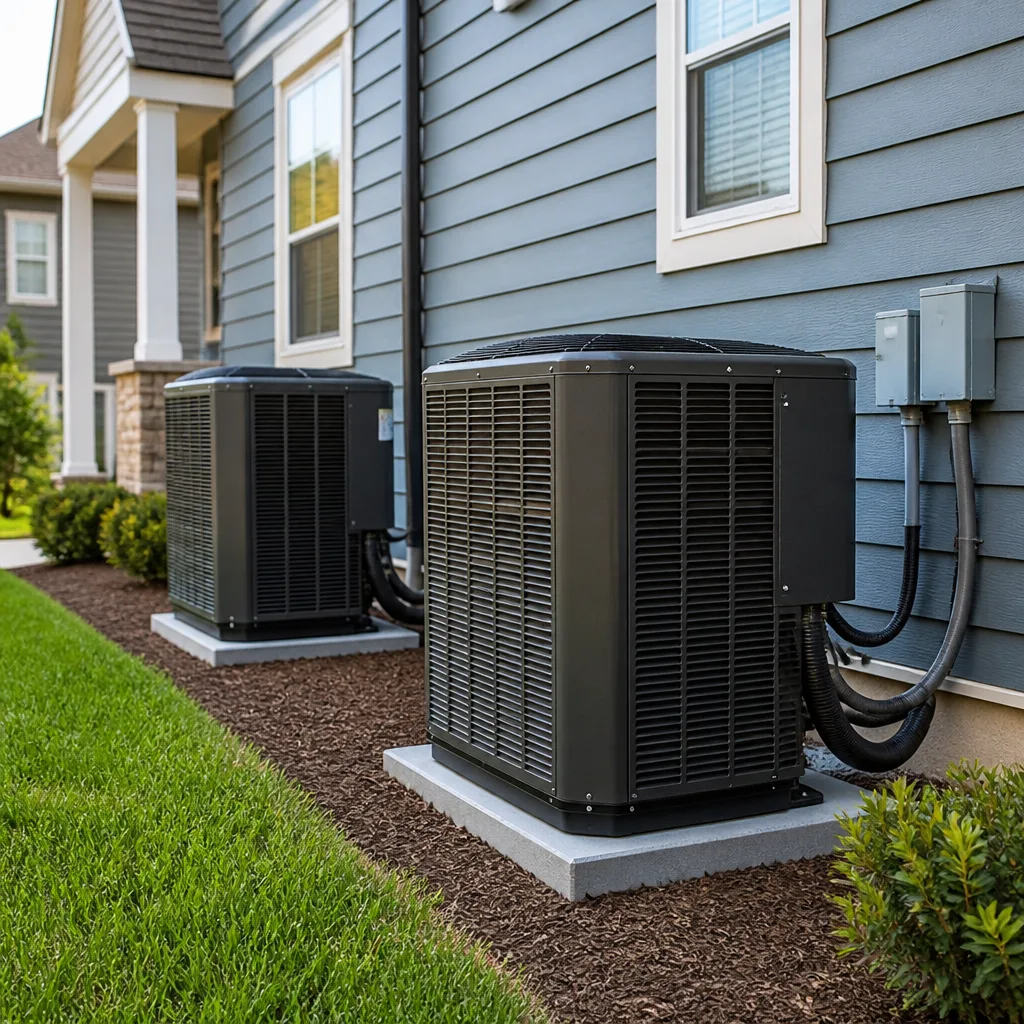 Heat pumps
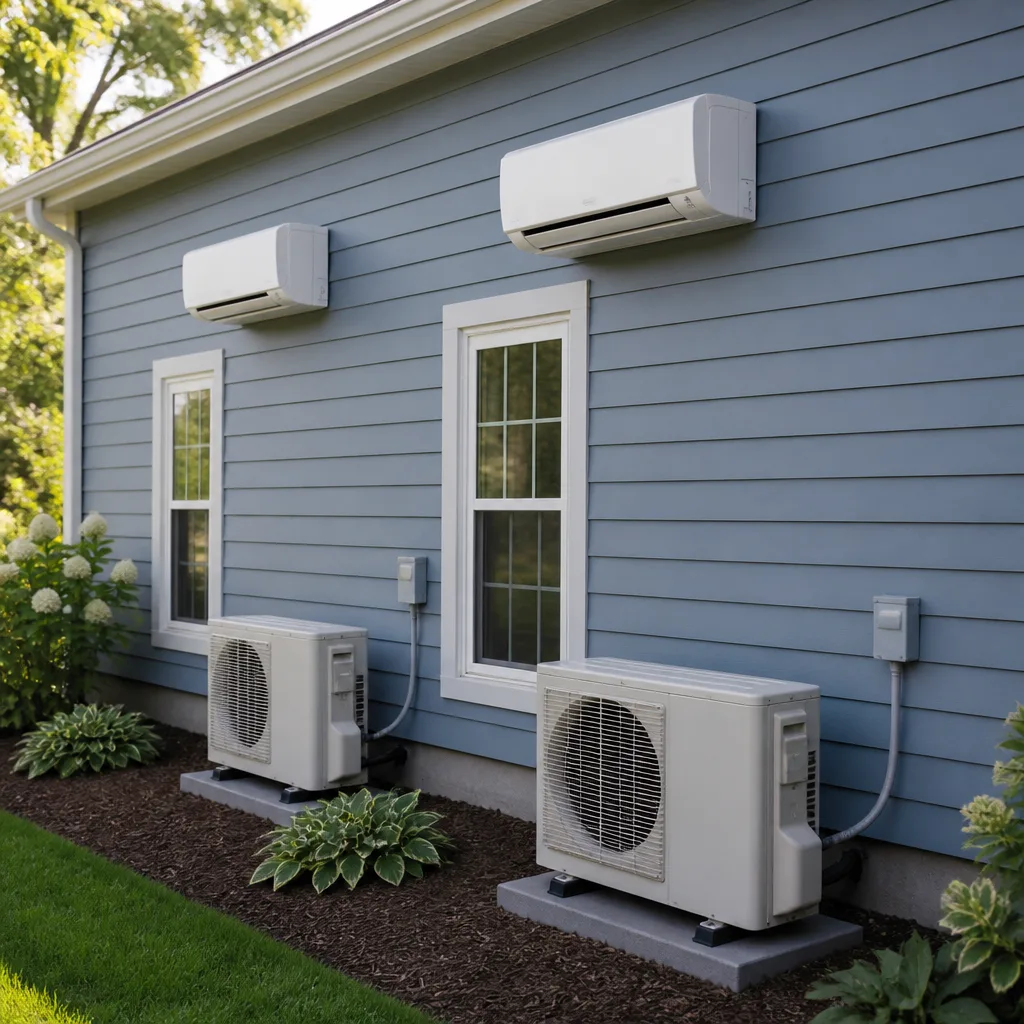 Ductless mini splits
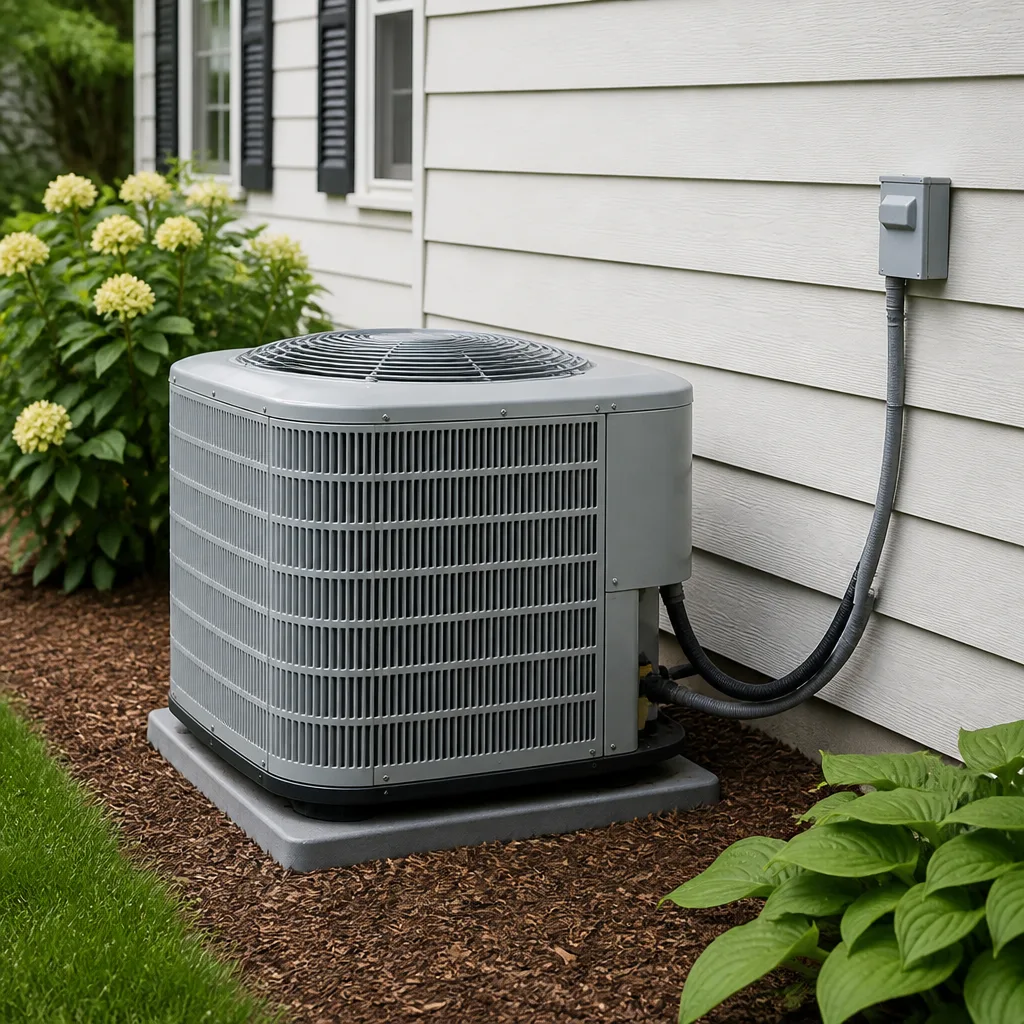 Carrier
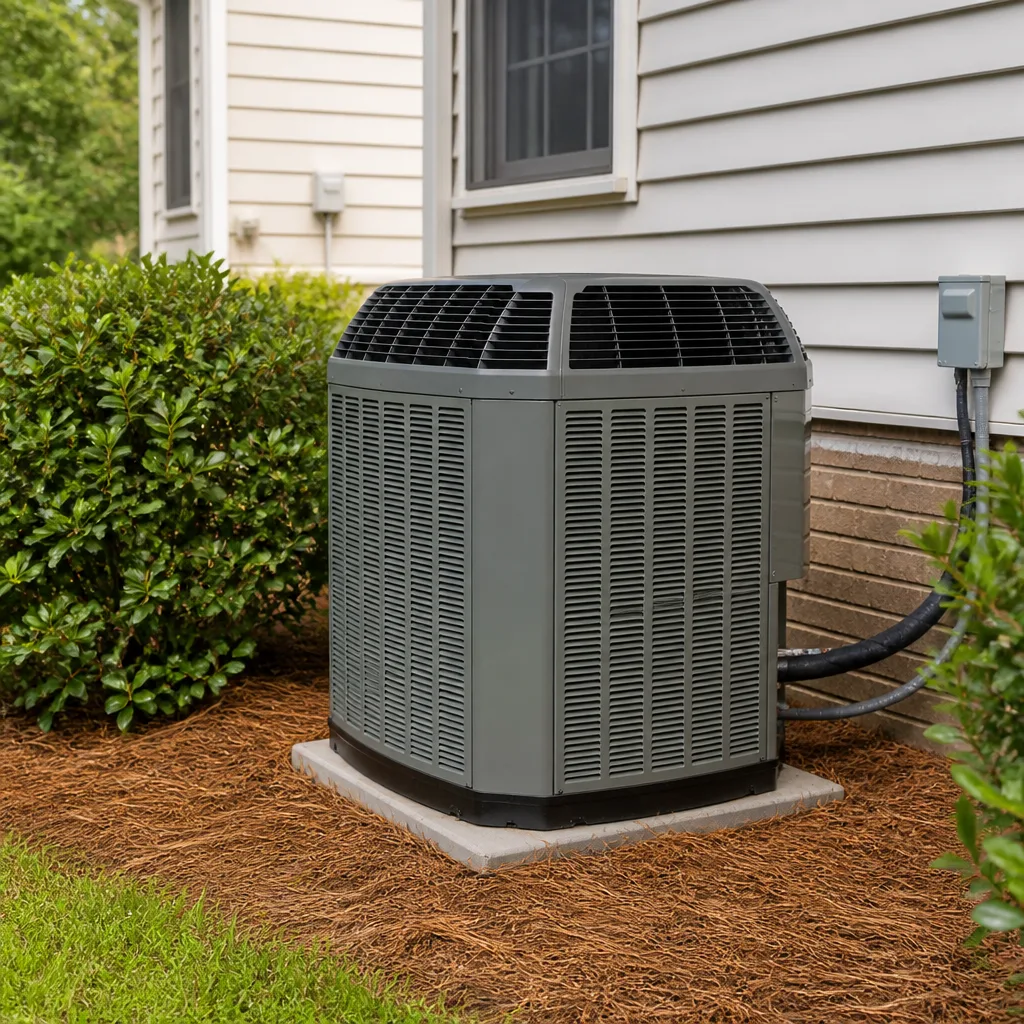 Trane
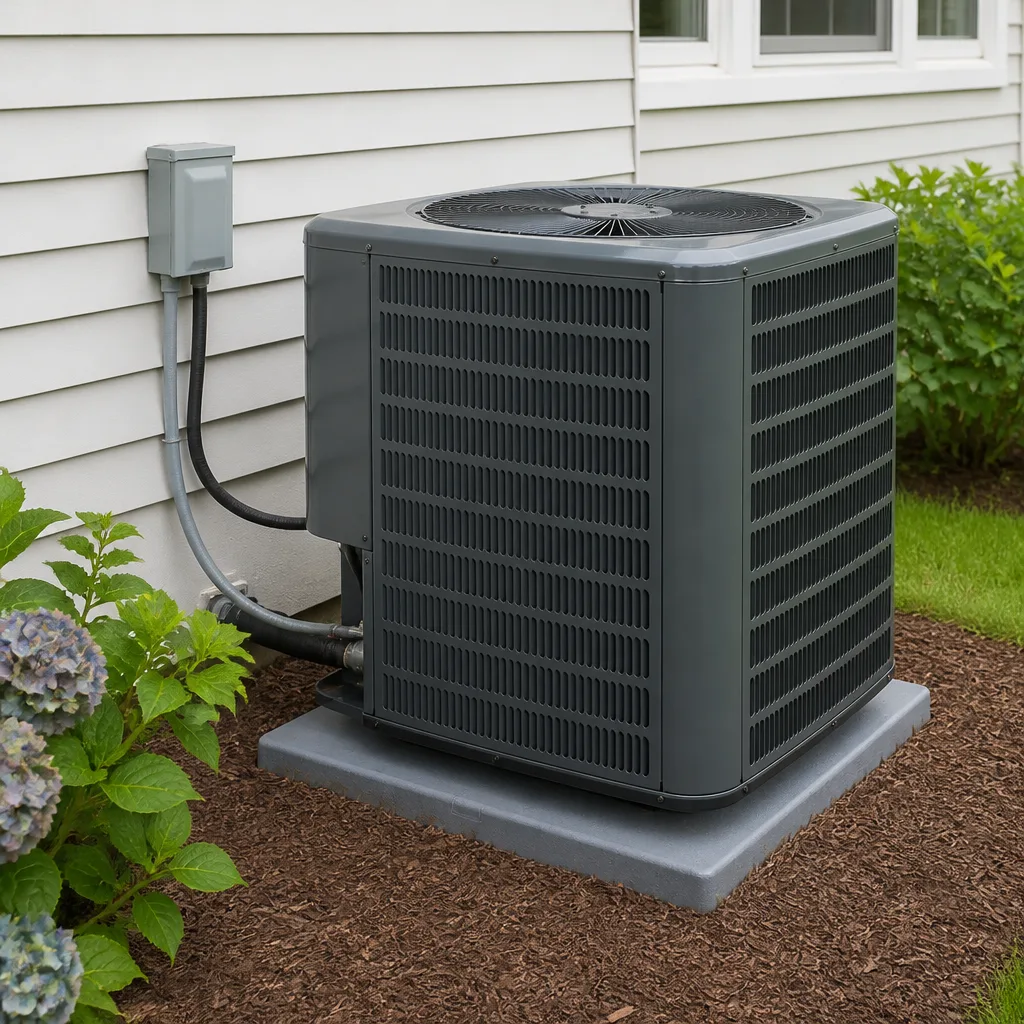 Goodman
Seasonal tune-up and full diagnostic on your Carrier, Trane, or Goodman system - readings shown to you before any repair is proposed
Diagnosis first, numbers second - you approve the repair price before a single part goes in.
Get your free estimateSeasonal HVAC Care for Tampa: Year-Round Homeowner’s Guide
January in Tampa feels mild enough to skip HVAC maintenance, but it’s often the month when indoor humidity climbs back above 60% because the AC runs infrequently and the dehumidistat is ignored. Mold colonies in ductwork don’t grow in August. They grow in the cool months when the system cycles down but moisture doesn’t. This guide maps HVAC care to what Tampa weather actually does, not what a northern climate calendar says you should do. You’ll learn the four micro-seasons that actually shape how your system runs, what each one demands, and what each seasonal service visit should cost so you can plan for it instead of reacting to it.
Quick Answer
Seasonal HVAC maintenance in Tampa works best on a four-visit rhythm tied to the city’s actual weather patterns: a pre-load inspection in February or March, a mid-summer stress check in July, a hurricane-recovery inspection in October, and a dehumidification adjustment in December or January. Each visit targets a different failure mode, and budgeting $140 to $260 per visit covers the work before it becomes a $900 emergency. Skipping the October inspection after hurricane season is the most expensive mistake Tampa homeowners make, because storm debris and moisture damage hide in places that only become obvious when the system is under load again. Not sure whether to tackle checks yourself or call a pro? Read our DIY vs Professional HVAC: The Tampa Homeowner’s Decision Guide.
Styles & brands we work with
Table of Contents
- Tampa’s Four HVAC Micro-Seasons (Not the Four Seasons You Learned in School)
- Pre-Load Season (February – April): The Foundation Visit
- Peak Stress Season (May – September): The Mid-Summer Check
- Hurricane Recovery Season (October – November): The Highest-Value Visit of the Year
- Humidity-Without-Heat Season (December – January): The Dehumidification Fix
- What Each Seasonal Visit Should Cost in Tampa
- Seasonal Thermostat Programming That Actually Works for Tampa
- Common Mistakes Tampa Homeowners Make Every Year
- When to Call a Professional
- Frequently Asked Questions
Tampa’s Four HVAC Micro-Seasons (Not the Four Seasons You Learned in School)
Tampa doesn’t have four HVAC seasons. It has two intense ones and two transitional ones, and each produces a distinct pattern of system failures. If you’re running a spring/fall checklist designed for Atlanta or Charlotte, you’ll miss the September coil-stress window entirely and wonder why your system failed in October. Here’s what actually happens, month by month, in Tampa HVAC terms.
Pre-Load (February through April): The weather is mild, the system hasn’t been pushed in months, and biofilm has had all winter to accumulate on the evaporator coil. This is the window to clean, inspect, and prepare before the first real heat wave. Failures in this window are almost always deferred-maintenance failures: clogged drain lines that backed up in winter, capacitors that weakened in January’s brief cold snaps, and filters that haven’t been changed since Thanksgiving.
Peak Stress (May through September): The system runs hard for months without meaningful recovery time. Condenser coils collect pollen from the spring bloom in April, then bake in direct afternoon sun. Capacitors fail from heat saturation. Compressors work against ever-higher refrigerant pressures. This is when systems die, and they almost always die after 2 p.m. on the hottest day of the week. The mid-summer check is about catching thermal fatigue before it becomes a compressor replacement.
Hurricane Recovery (October through November): The first cold front that pushes through after hurricane season changes the system’s job from cooling to dehumidifying, and the storm season has left debris, moisture, and voltage stress in its wake. Debris that lodged in the condenser during a squall stays there until someone removes it. This is the most valuable maintenance visit of the year in Tampa, and the section on it below explains exactly why.
Humidity-Without-Heat (December through January): The system runs less but the air stays damp, and mold thrives in the gap between what the thermostat says and what the dehumidistat does. If you’ve ever noticed a musty smell in January when the AC hasn’t run in three days, you’ve experienced this micro-season without knowing it had a name.
Each micro-season demands one specific maintenance task above all others, and treating them as one interchangeable “tune-up” is how Tampa homeowners end up with a system that lasts 9 years instead of 15. For a printable breakdown of what to check and when, see our AC Repair Maintenance Checklist for Tampa Homeowners. Here’s what each one requires.
Pre-Load Season (February – April): The Foundation Visit
Think of February as the month when your HVAC system wakes up from a tropical winter. It hasn’t been running hard, but it hasn’t been running consistently either, and inconsistent running creates specific problems. Condensation has been sitting in the drain pan during the cool months, and that water grows biofilm and algae faster in Tampa’s winter humidity than it does during the summer, when the system dries itself out by running constantly.
The foundation visit in this window is about restoring baseline performance before the heat arrives. Here’s what a proper pre-load inspection covers in Tampa.
- Evaporator coil inspection and cleaning. Six months of intermittent operation means whatever grew in the coil was never baked off by sustained heat. A coil fouled with biofilm transfers less heat, runs longer cycles, and raises indoor humidity even when the air feels cold. At AC Repair in Tampa prices, a coil cleaning in the pre-load window runs $140 to $220, compared to $300 to $500 if the same coil is cleaned during a mid-summer emergency.
- Capacitor testing. January’s brief cold snaps in Tampa push capacitors harder than people realize, because the system cycles more frequently in short bursts. A capacitor that’s lost 20% of its rated microfarads in January will fail completely in June. Testing it in February costs nothing extra during a maintenance visit. Replacing it costs $85 to $160. Replacing the compressor it protects costs $1,800 to $3,400.
- Condensate drain line flush. Drain lines in Tampa clog with a specific mix: algae from humid air, dust from running the fan without cooling, and the residue of whatever evaporated off the pan. A flush in February prevents the classic August call about water damage from a backed-up drain line. The flush itself is a $75 to $110 line item on most maintenance visits.
- Filter check and replacement. Tampa’s pollen hits in late February and March. A fresh filter before the bloom means the pollen never enters the ductwork to begin with, instead of being pulled through the system for six weeks while the filter loads progressively.
In the pre-load window, the system should be re-checked for one thing that most Northern checklists ignore: the dehumidistat setting, which may have been left where it was in October and is now actively fighting the changing weather. More on that in the dehumidification section below.
Peak Stress Season (May – September): The Mid-Summer Check
By the time July arrives in Tampa, the system has been under load for 8 to 10 weeks with daily high temperatures in the low 90s and afternoon thunderstorm humidity pushing the wet-bulb temperature into the danger zone. This is when August failures are born, and a one-hour mid-summer check is the difference between catching a $12 part and replacing a $3,000 compressor.
Here’s what we look for during a peak-stress check in Tampa.
- Condenser coil debris load. April pollen followed by May and June dust followed by July thunderstorms leaves a paste on the condenser coil that you can literally see when it gets bad. The coil is the system’s way of rejecting heat, and a partially clogged coil makes the compressor work against abnormal head pressures. In our experience, a condenser coil cleaned in July drops compressor temperatures by 20 to 30 degrees, which is the single biggest factor in whether a 9-year-old system lives to 15.
- Refrigerant charge verification. Tampa’s specific problem isn’t refrigerant leaks, it’s refrigerant migration during power fluctuations. Afternoon thunderstorms knock out power regularly in summer, and the resulting short cycling can push refrigerant where it shouldn’t be. A subcooling check in July catches small losses before they become a July no-cooling call where the system is off for six hours in the heat.
- Electrical connection torque. The thermal expansion and contraction of summer heat loosens electrical connections over time in Tampa more than in drier climates, because the humidity accelerates the corrosion that makes connections more likely to arc. A loose connection that gets fixed for $40 of labor now prevents a $700 repair in September.
- Drain pan and float switch function. The float switch is the part that shuts the system off before water overflows into the ceiling. Tampa’s August humidity is exactly when the pan is working hardest, and a float switch that failed quietly in March means a ceiling stain is coming in August. This is a $65 part. The ceiling repair it prevents runs $900 to $2,500, not counting the clean-up of whatever was living below the pan.
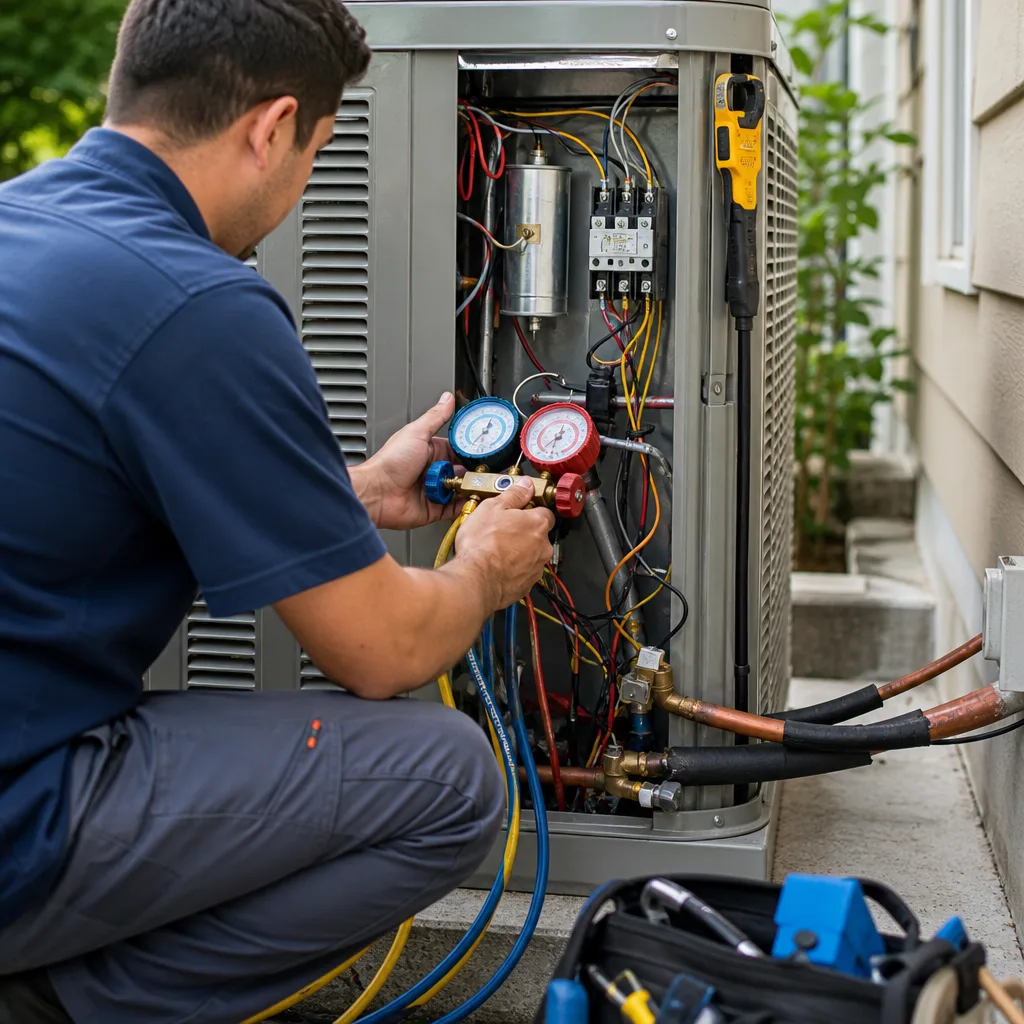
The mid-summer check is not a full tune-up and shouldn’t be billed as one. It’s a focused stress inspection, and a reputable company will describe it that way. At Meadowsweet Heating and Air Tampa home standards, this visit runs 45 to 70 minutes and covers the failure modes that actually happen in a Tampa August: thermal fatigue, electrical loosening, drain strain, and coil fouling.
Hurricane Recovery Season (October – November): The Highest-Value Visit of the Year
If you pay for one maintenance visit in Tampa all year, make it this one. Not February, not July, and not the dehumidification check in January. The post-hurricane-season inspection in October catches more expensive problems per dollar spent than any other single service visit in the city, and here’s why.
Debris in the condenser is invisible until it’s not. Hurricane and tropical-storm fallout doesn’t always leave giant branches on top of the condenser. It leaves small debris: palm frond fragments, shingle granules, leaf paste, and mud splash that lodged in the coil during wind-driven rain. None of it causes immediate failure. All of it restricts airflow, raises compressor head pressure, and shortens the system’s life. An October condenser flush removes what a July inspection missed simply because the storms hadn’t happened yet.
Voltage irregularities from storm season cause refrigerant fluctuations that don’t show symptoms until December. When storms knock out power and generators or grid restoration bring it back unevenly, the system experiences a series of interrupted run cycles. Refrigerant migrates. The system cools until the cooler weather arrives, and then the problem presents as a December or January issue that seems to have no cause. An October check catches it while it’s still visible as an abnormal subcooling reading, not a failed component.
Storm surge and flooding cause condensate damage that gets worse as the system cycles less. Salt water, wind-driven debris, and excess moisture around the condensate drain line do cumulative damage, and the damage accelerates in October and November as the system runs less frequently. A drain line inspection in October costs a fraction of the water-damage remediation that shows up in November when the line finally fails.
The numbers work out like this: a post-hurricane-season inspection in Tampa should run $160 to $240 and take about an hour. It catches problems that, left alone, turn into $600 to $1,200 repairs by December and $2,000 to $4,000 replacements by the following May. No other maintenance visit in Tampa produces that return.
Humidity-Without-Heat Season (December – January): The Dehumidification Fix
Here’s the problem in one sentence: your AC dehumidifies when it runs, but in December and January in Tampa, the AC doesn’t run enough, and the air outside is still carrying a lot of moisture. Running the thermostat fan in the “on” position doesn’t help, because the fan circulates air but the air passes over a coil that isn’t cold enough to pull moisture out of it. The air moves, the dampness doesn’t.
What actually works is setting the dehumidistat (if you have one) to a band that matches what the system can do with the run time it’s getting. Here’s the Tampa-specific guidance.
- Set the dehumidistat between 55% and 60% for December through March. Lower than 55% and the system runs so much to reach it that you’re paying to remove moisture the air doesn’t actually need removed. Higher than 60% and you’re inviting mold into the ducts and the air handler, especially in Tampa’s older block homes where the building envelope holds moisture differently than newer construction.
- Set the thermostat to “Auto” for the fan, not “On,” during the Humidity-Without-Heat months. The “On” setting moves air continuously but never lets the coil get cold enough to condense moisture out of it, so you’re recirculating damp air and paying for the electricity to do it.
- If the indoor humidity stays above 60% for three consecutive days in December or January, have a technician check the dehumidistat calibration and the drain line before you run the system more aggressively. Running the AC in cooling mode when the outdoor temperature is below 68 degrees risks compressors that weren’t designed for low-ambient operation, especially on older systems.
In our experience with Tampa homes, the January dehumidification problem is the one people notice as the “house smells musty in winter” issue. It’s also the easiest to fix once you know it’s the dehumidistat, not the system, that’s the problem. If your system doesn’t have a dehumidistat, a technician can retrofit one for $180 to $290, which is about what a single month of excess winter humidity costs in air quality and duct condition.
What Each Seasonal Visit Should Cost in Tampa
Here’s a budgeting table for the four seasonal visits in Tampa, based on what we see across the metro area for standard systems in single-family homes. These are maintenance-visit prices, not repair prices, and they assume a system in working condition that’s being inspected and adjusted. The goal is to give you an annual budget number you can plan for.
| Season | Visit Focus | Typical Tampa Price | What Catches You Get |
|---|---|---|---|
| Pre-Load (Feb – Apr) | Coil cleaning, capacitor test, drain flush, filter | $140 – $220 | Biofilm on coil, weakened capacitor, clogged drain line |
| Peak Stress (May – Sep) | Condenser debris, refrigerant charge, electrical torque | $120 – $190 | Debris paste on coil, small refrigerant loss, loose connections |
| Hurricane Recovery (Oct – Nov) | Condenser flush, voltage stress check, drain line inspection | $160 – $240 | Hidden storm debris, early refrigerant migration, condensate damage |
| Humidity-Without-Heat (Dec – Jan) | Dehumidistat calibration, drain line, fan setting review | $110 – $170 | Incorrect dehumidistat setting, mold-prone ducts, slow drain line |
All in, a Tampa homeowner who does all four visits during the year should budget $530 to $820 for annual HVAC maintenance. That’s the cost of preventing the average $900 to $1,300 mid-summer emergency call, and it typically adds 4 to 6 years to a system’s service life. The math is not subtle.
If any one of these visits uncovers a needed repair, the repair cost is separate and quoted in writing before the work starts. That’s a non-negotiable at Meadowsweet Heating and Air Tampa, and it’s the standard every reputable company in Tampa should hold. You should never be asked to approve a repair without seeing a written price first.
Seasonal Thermostat Programming That Actually Works for Tampa
Most thermostat advice is written for climates with cold winters and hot summers, and it doesn’t apply well to Tampa. Setting your thermostat back 10 degrees during the day in a Chicago January saves real money. Setting it back 10 degrees during a Tampa August afternoon makes the system work harder to recover at 5 p.m., when the outdoor temperature is peaking and the compressor is at its most stressed. Here’s the Tampa-specific version.
For the Peak Stress months (May through September):
- Keep the daytime setback modest: 3 to 5 degrees, not 8 to 10. During a Tampa summer, a 5-degree recovery at 5 p.m. asks the compressor to run against outdoor temperatures still in the high 80s or low 90s. A 10-degree recovery asks it to run flat out while the sun is still hammering the condenser. The electricity you saved during the day gets spent, plus interest, on a longer, harder recovery run.
- Set the system to start cooling back down around 4 p.m., not 6 p.m. A system that starts recovering at 4 p.m. spreads the work over a more favorable outdoor temperature curve. A system that starts at 6 p.m. does all the work against the heat of the day.
- If you have a variable-speed or multi-stage system (many AC Installation in Tampa projects these days include one, since Carrier, Trane, and Lennox all offer them), use the low stage for recovery. Low stage runs longer but draws less power per unit of cooling, which is exactly what you want when pulling a humid house back down to setpoint after a warm day.
For the Humidity-Without-Heat months (December through January):
- Set the thermostat to “Auto” fan mode, not “On” (as covered above).
- Program minimal or no setback. The system is barely running anyway, and a setback in this window just means the system cycles off for longer, leaving more time for humidity to build.
- If the house feels stuffy at 74 degrees in January, the problem is not temperature. It’s humidity. Lowering the thermostat to 71 will make the air feel colder and still damp, and you’ll have paid for the privilege. Calibrate the dehumidistat instead.
For the transitional months (February through April and October through November):
- Use a 4 to 6 degree setback during the day if the house is empty, and nothing more. Tampa’s transition months are cool enough in the morning to need almost nothing and warm enough in the afternoon to need real cooling, so the system’s work is already modulated by the weather.
- Revisit your programming at the start of each transitional month. February, March, and April have very different load profiles in Tampa, and the programming that worked in February is wrong by April.
The specific numbers to remember: 3 to 5 degrees of setback in summer, 4 to 6 in the transition months, and minimal to zero in the winter months. Set recovery at 4 p.m. in summer. Fan on Auto all year, not On. These four settings will save more on electricity and reduce more system stress than any generic thermostat guide ever will.
Common Mistakes Tampa Homeowners Make Every Year
- Treating all four visits as interchangeable “tune-ups.” A pre-load visit and a hurricane-recovery visit are not the same job. If your maintenance company does the same checklist in February that it does in October, you’re paying for a checklist and not a diagnosis, and you’ll still get the October failure the visit was supposed to prevent.
- Skipping the October inspection because the system “isn’t running hard right now.” That’s exactly when the storm-season damage is dormant, and it’s the same logic as skipping a dental cleaning because your teeth don’t hurt. The expensive stuff is happening where you can’t see it.
- Running the fan in the “On” position during winter to “circulate fresh air.” In Tampa’s winter humidity, you’re circulating damp air over a warm coil and feeding mold in the ducts. What feels like fresh air is actually a mold-friendly environment, and the smell you start noticing in February is the proof.
- Setting the thermostat to 70 degrees when the house feels stuffy in January. The stuffiness is humidity, not heat, and cold humid air costs more than conditioned dry air. Fix the dehumidistat first, then adjust temperature if it’s still needed.
- Believing a “tune-up” from another state’s spring checklist applies to Tampa. Tampa’s maintenance demands are shaped by humidity, storm season, and heat saturation, not by heating-system neglect. A checklist built for a furnace-heavy climate misses the three most common Tampa failure modes.
- Replacing the filter once a year and calling it maintenance. Tampa’s pollen season in late February, dust from summer construction, and the general particulate load of a humid climate mean filters load faster than in dry climates. A filter replaced in January is fully loaded by April, and a loaded filter makes the entire system work harder through the hottest months.
When to Call a Professional
Call a professional if you see water around the air handler or indoor unit, hear a grinding or hissing sound from the condenser, notice that the system runs constantly but the house never reaches setpoint, or smell a musty odor from the vents that gets worse when the system first turns on. Each of these indicates a problem that gets more expensive the longer it runs. If the system trips a breaker and trips it again after being reset, stop resetting it and call, because repeated trips indicate an electrical fault that can damage the compressor. Meadowsweet Heating and Air Tampa offers free estimates in Tampa, and you can reach a live person at (728) 212-0500 any time. We provide a written price before any work starts, and we’ll tell you honestly if the problem can wait.
Frequently Asked Questions
Four times a year, timed to Tampa’s actual weather patterns: once in the pre-load window (February through April), once mid-summer (July), once after hurricane season (October), and once in the winter humidity window (December through January). Each visit targets a different failure mode, and skipping any one of them leaves a specific gap. Budget $530 to $820 annually for all four.
The post-hurricane-season inspection in October is the most valuable maintenance visit in Tampa, because it catches storm debris in the condenser, refrigerant fluctuations from voltage irregularities, and condensate damage from storm moisture, all of which are invisible until they become expensive failures months later. A $160 to $240 October visit routinely prevents $900 to $1,200 in December repairs.
Your AC dehumidifies only when it runs, and in Tampa’s December and January, it doesn’t run enough to keep indoor humidity below 60%. The fix is to set the dehumidistat to between 55% and 60%, set the fan to “Auto” instead of “On,” and check the dehumidistat calibration if humidity stays above 60% for three consecutive days.
Set it back 3 to 5 degrees, not the 8 to 10 degrees common in cooler climates, and set the recovery to start around 4 p.m. A larger setback forces the compressor to run flat out during the hottest part of the Tampa afternoon, which costs more in compressor stress than it saves in runtime during the day. The savings math doesn’t work in the wet-bulb conditions of a Tampa summer.
A pre-scheduled maintenance visit in Tampa runs $110 to $240 depending on the season and focus, while an emergency repair call typically runs $300 to $700 for the service call and first hour of diagnosis, with the actual repair cost on top of that. The total emergency repair bill for a mid-summer compressor failure, a capacitor replacement, or a water-damage remediation from a failed drain line runs $900 to $3,400. Four maintenance visits cost less than one emergency call, which is why the maintenance math works.
No, but you do want a company that’s qualified to service your specific brand. A qualified technician needs to know the specific wiring, refrigerant, and control-board differences between a Carrier and a Lennox, not just generic HVAC principles. Ask before booking whether the company services your brand specifically and what training or certification their technicians hold for it. Any reputable company will tell you directly. We service nine major equipment brands, including Carrier, Trane, and Lennox, and our technicians are trained on the specific requirements of each one.
The Bottom Line
Tampa’s HVAC care doesn’t follow a seasonal calendar. It follows a weather calendar built around heat, humidity, and storm recovery, and the four micro-seasons each demand one maintenance task above the others. Pre-load season prepares the system for the heat. Peak-stress season catches thermal fatigue. Hurricane recovery clears storm damage while it’s cheap to fix. And the winter humidity window protects your ducts and indoor air from the mold problem you can’t see until February. Four visits, $530 to $820 a year, and a system that runs longer, drier, and cleaner than one that gets the annual generic tune-up. That’s the whole strategy.
Written by Luis Serrano, Owner at Meadowsweet Heating and Air Tampa, serving Tampa since 2004.
For your free seasonal HVAC maintenance estimate, call Meadowsweet Heating and Air Tampa at (728) 212-0500. A live person answers, 24/7, and every visit includes a written price before any work starts, shoe covers and drop cloths inside the home, and a photo of the clean-up before the crew leaves.
See the difference
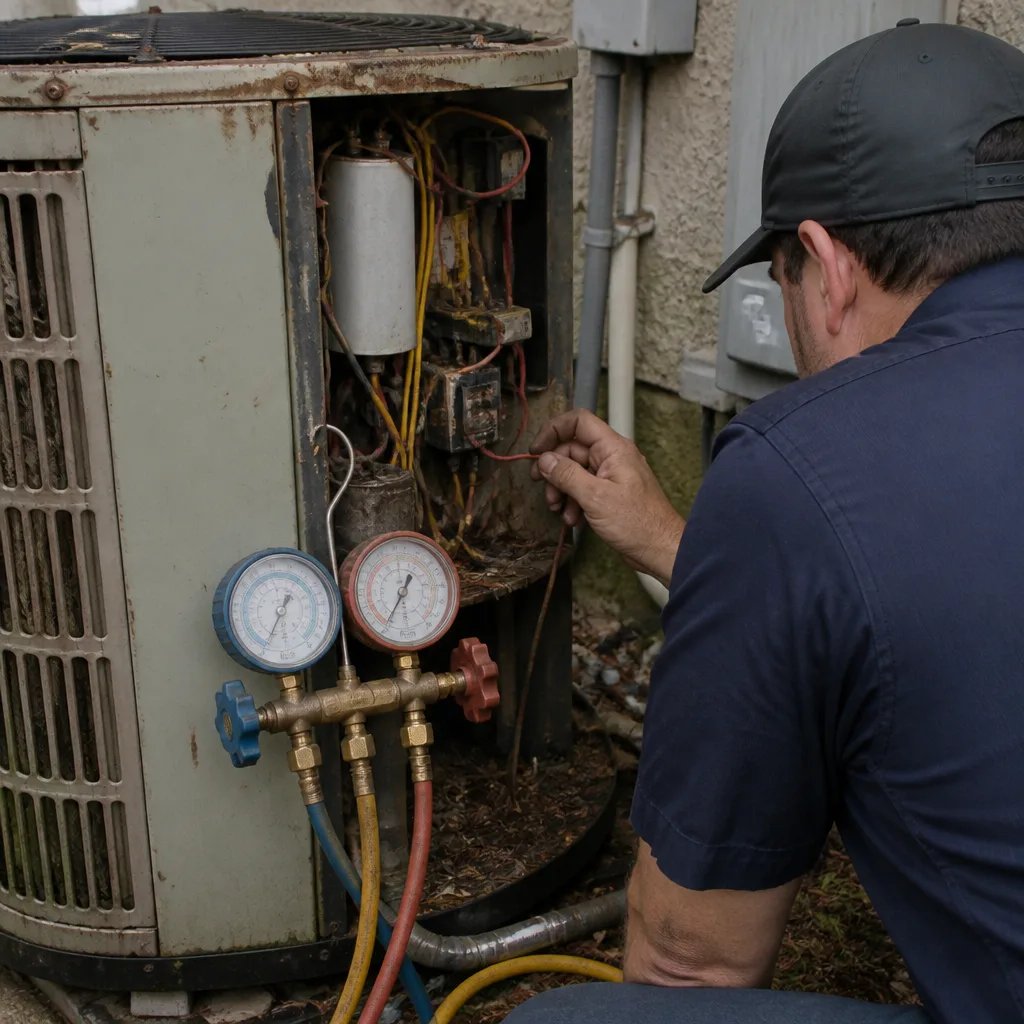 Before
 After
 Before
 After
 Before
 After