
Last updated October 16, 2026
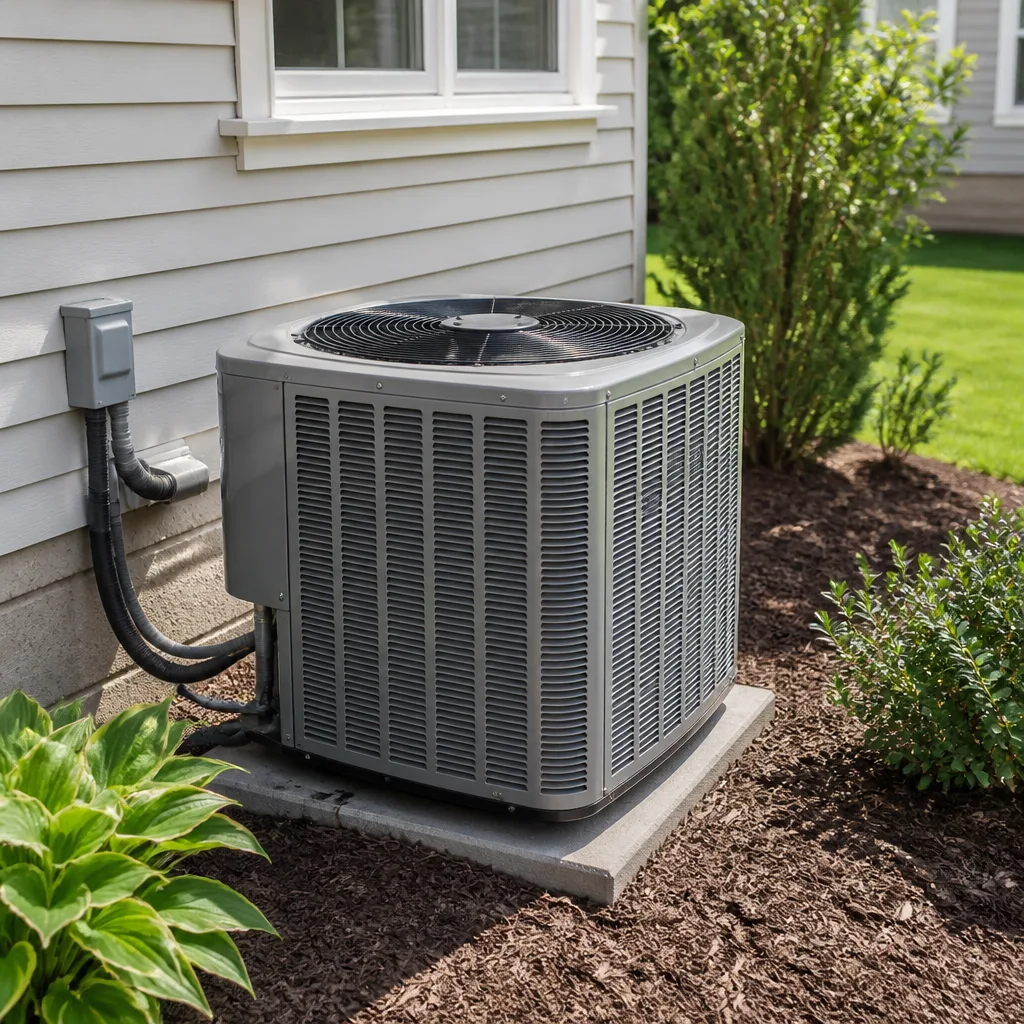 AC repair
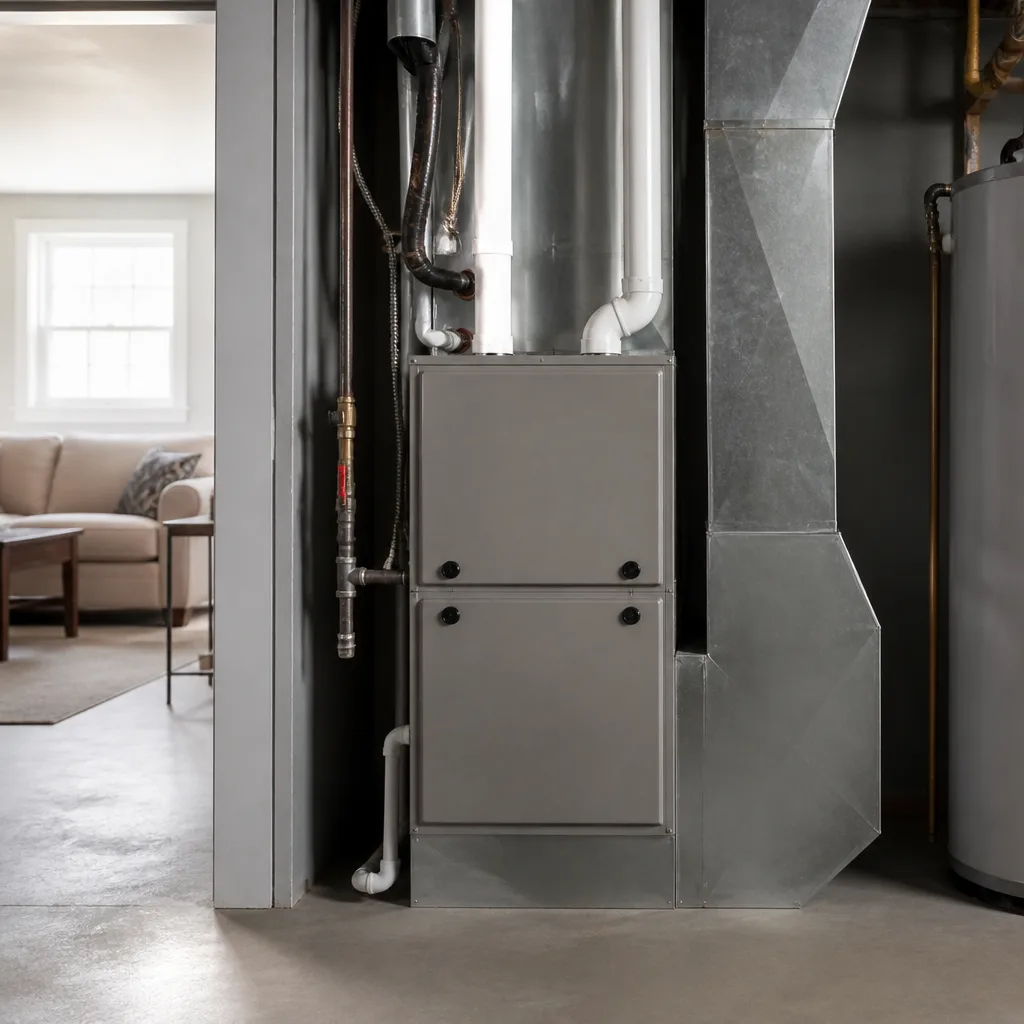 Furnace & heating
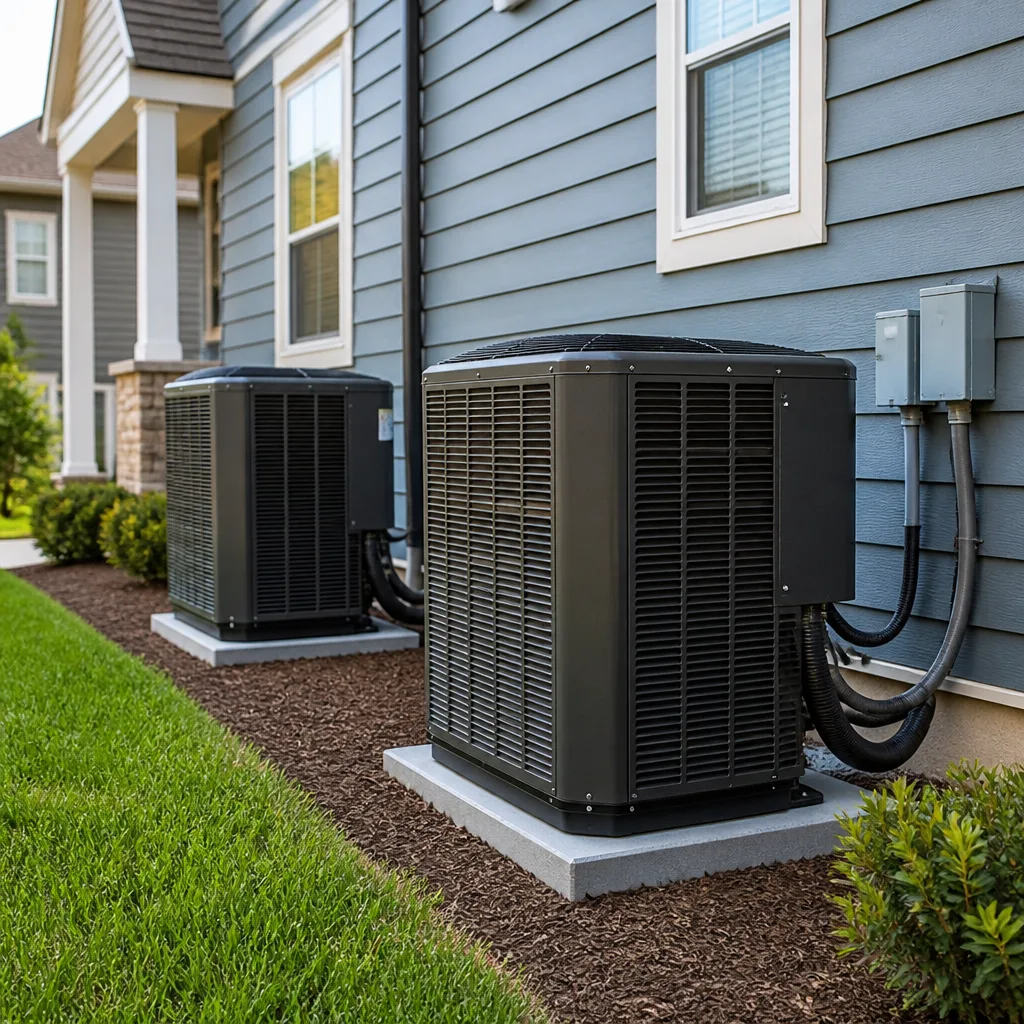 Heat pumps
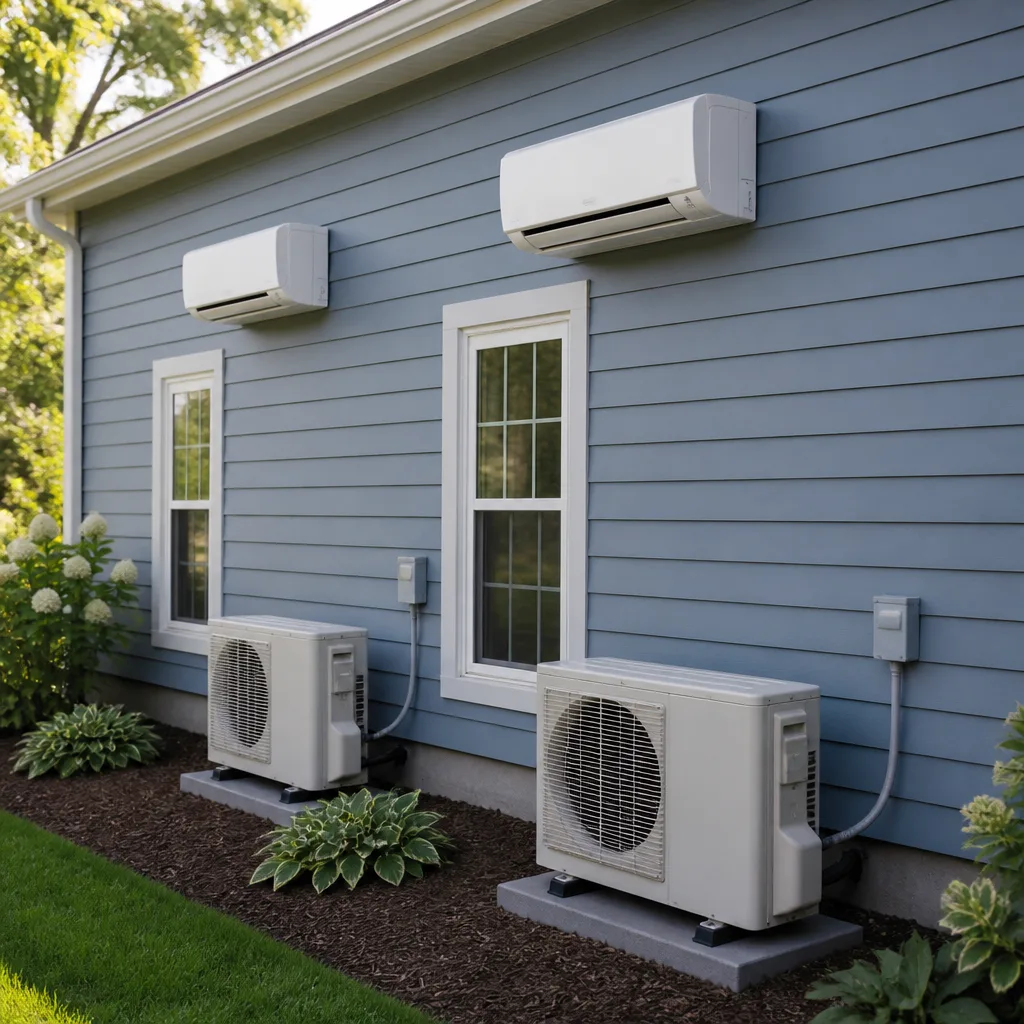 Ductless mini splits
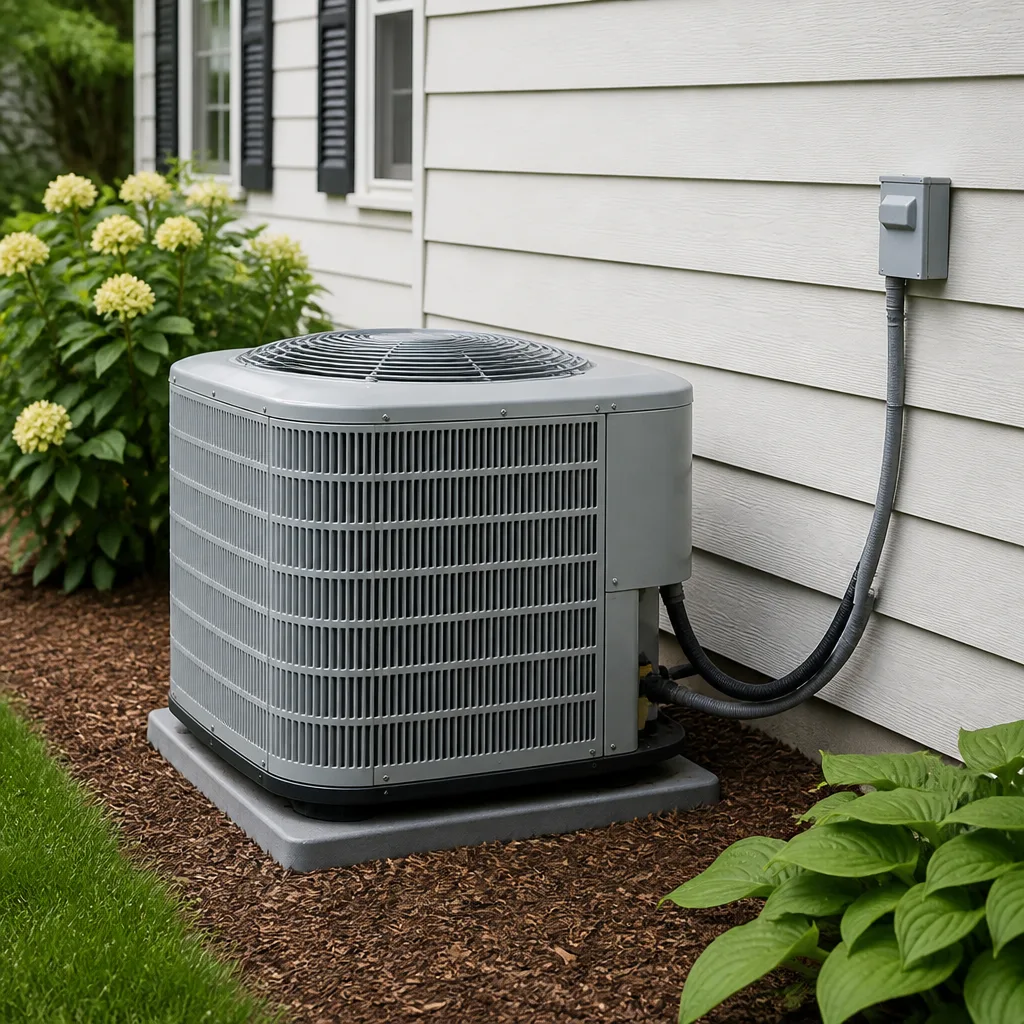 Carrier
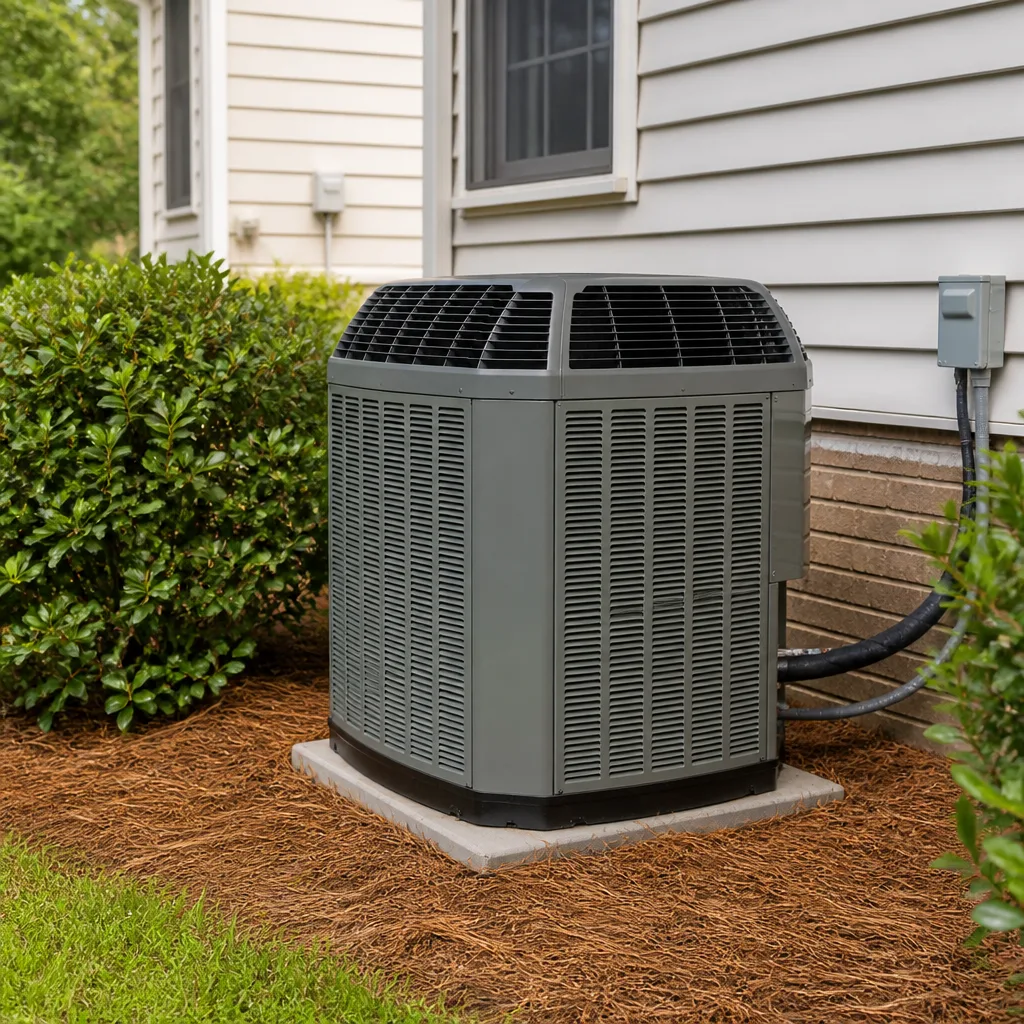 Trane
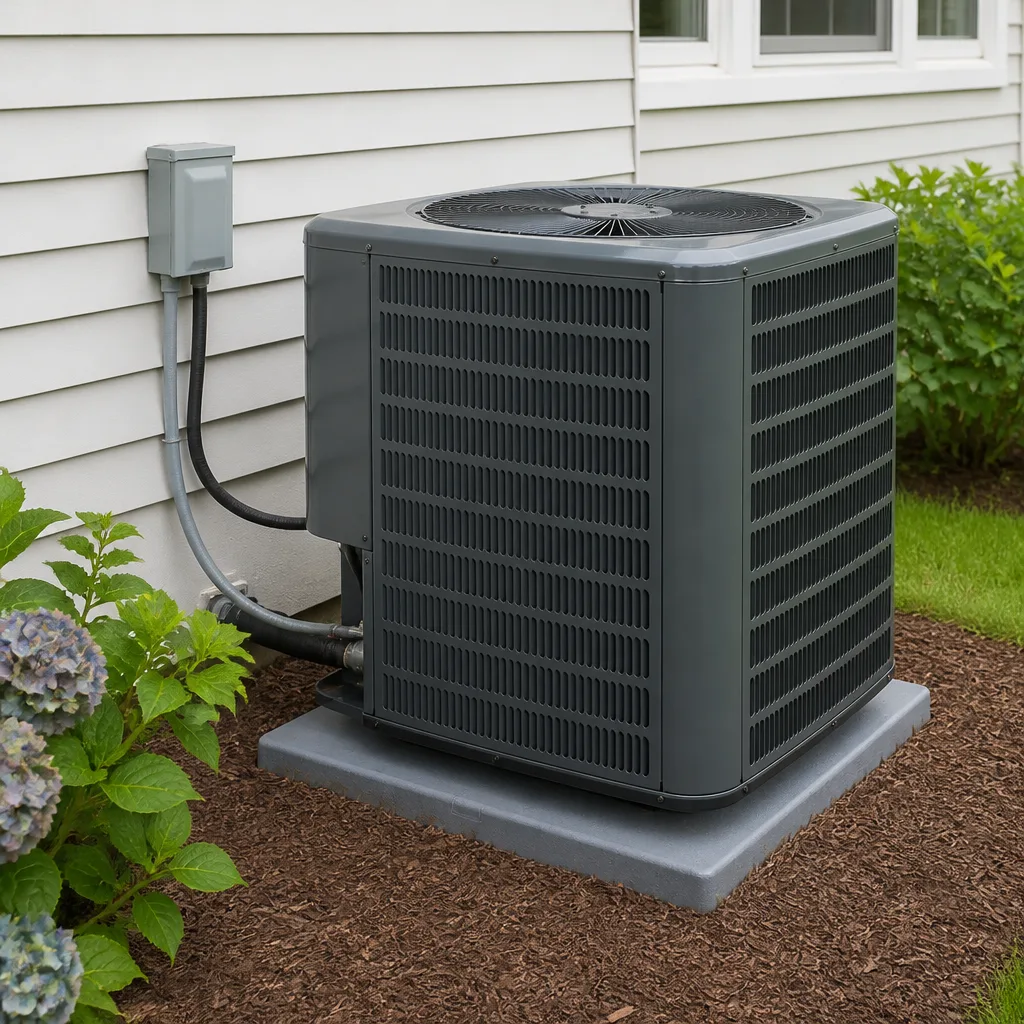 Goodman
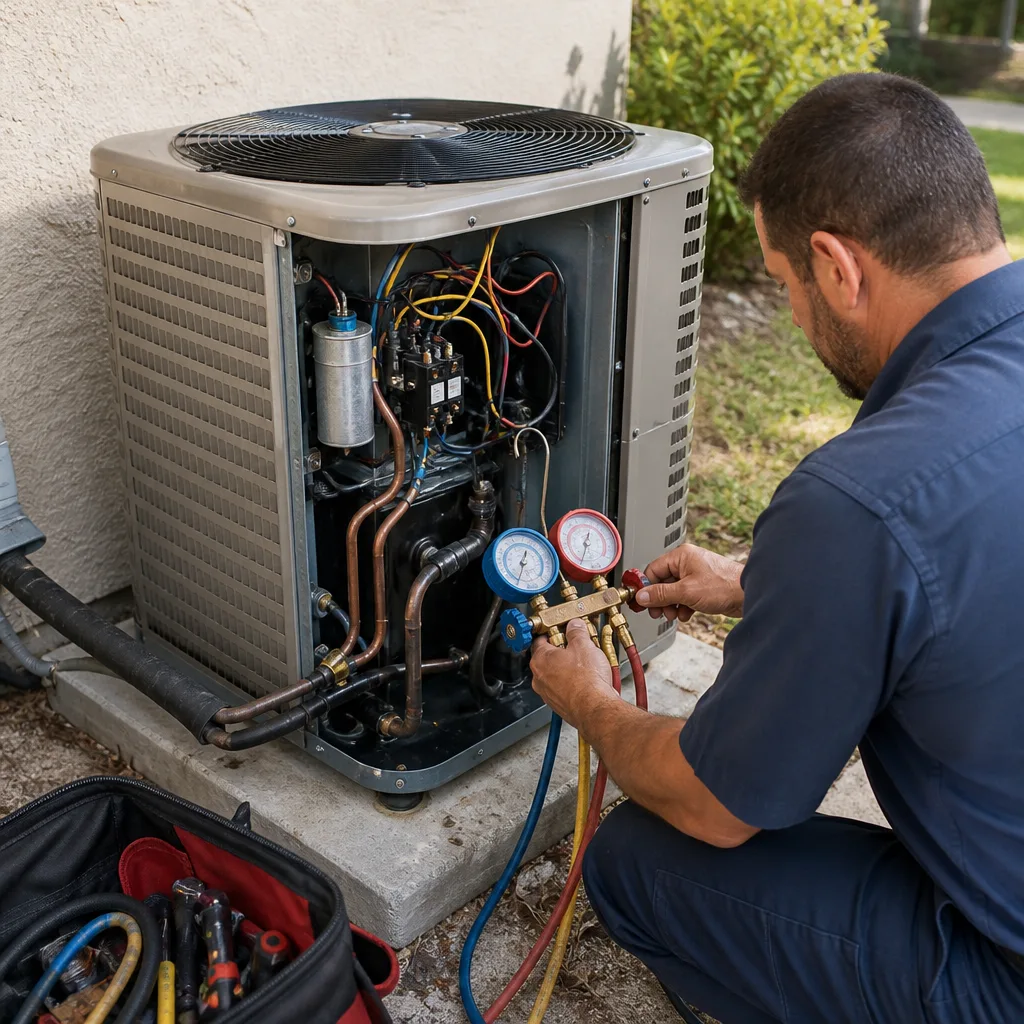
Seasonal tune-up and full diagnostic on your Carrier, Trane, or Goodman system - readings shown to you before any repair is proposed
Diagnosis first, numbers second - you approve the repair price before a single part goes in.
Get your free estimateHVAC Permits, Codes & Inspections in FL: What You Need to Know
In Tampa, a finished HVAC job with no permit on record is not done. It is an open liability sitting inside your walls and on your property records. A few years ago, a home sale in the Westchase area collapsed at the title stage because an AC replacement from four years prior had no permit attached to it. The lender flagged it, the buyer walked, and the sellers paid twice: once for the original install, once for remediation at closing. This guide walks you through Florida permit requirements, the Hillsborough County inspection process, and how to verify a contractor actually closed out the permit on your home. For more guides & resources on protecting your home, see our blog.
Styles & brands we work with
Quick Answer
Most HVAC replacements, new installations, and ductwork modifications in Florida require a permit pulled by a licensed contractor and a final inspection by the local building department. In Tampa, that means Hillsborough County. Like-for-like repairs that swap a failed part without changing the system design generally do not require a permit. The permit is the homeowner’s legal record that the work met code, and it protects insurance claims, manufacturer warranties, and the ability to sell the home later.
Table of Contents
- Which HVAC Jobs in Florida Require a Permit
- Why the Permit Is the Homeowner’s Protection, Not the Contractor’s
- How the Hillsborough County Permit Process Actually Works
- What the Inspector Actually Checks on an HVAC Permit
- How to Verify Your Contractor Applied for and Closed Your Permit
- What a Missing or Open HVAC Permit Does to Insurance, Warranties, and Home Sales
- Retroactive Permitting vs. Proactive Permitting: The Cost Gap
- Common Mistakes to Avoid
- When to Call a Professional
- Frequently Asked Questions
- The Bottom Line
Which HVAC Jobs in Florida Require a Permit
Florida Building Code Section 105.1 requires a permit for any mechanical work that involves installing, replacing, or relocating a system, or modifying its ductwork, piping, or electrical connections. That sweeps up most real HVAC work in Tampa. But not all of it. The line between permitted and non-permitted work is more specific than most homeowners realize.
Work that requires a permit in Florida:
- Full system replacement: swapping an existing air handler, condenser, or furnace for a new unit. Even a same-size swap is a permit job because the electrical disconnect, refrigerant circuit, and condensate drainage all get touched.
- New installation: adding central air or heat to a home that never had it. This includes running new ductwork, setting a new pad, adding a circuit, and often a new thermostat wire run.
- Ductwork modification: adding, removing, or resizing supply or return ducts. Rerouting a duct through a wall counts. Replacing a short section of damaged flex duct as a direct repair usually does not.
- Refrigerant line replacement or relocation: moving a condenser across the yard, or replacing a line set after a leak. The line set holds refrigerant at pressure; code cares about how it is routed, supported, and protected.
- Electrical panel or circuit work tied to the HVAC system: a new breaker, disconnect box, or upgraded supply circuit is mechanical and electrical scope, and it pulls both sides into the same permit.
Work that generally does not require a permit:
- Component repair: replacing a capacitor, contactor, blower motor, fan blade, thermostat, control board, or igniter on an existing system. No permit needed when the work is a direct like-for-like repair that does not change system capacity, airflow design, or electrical load.
- Coil cleaning, drain line clearing, and annual maintenance: service work, not construction work. No permit.
- Refrigerant recharge into a sealed, already-inspected system: a repair, but note that recurring refrigerant loss points to a leak, and a proper leak repair on a line set may move you into permit territory.
The practical rule we tell Tampa homeowners: if the job changes what the system is, where it sits, or how air moves through the house, it is permit work. If it restores what already existed, it is not. When in doubt, a licensed contractor should be able to tell you which category your job falls into in one phone call. If they hedge or avoid the question, that is useful information too.
Why the Permit Is the Homeowner’s Protection, Not the Contractor’s
Most Tampa homeowners assume the permit exists to protect the city, or to make the contractor’s life harder. Neither is the real purpose. A permit is the homeowner’s legal evidence that the installed equipment met the code in force on the day it was installed. It is a dated, inspected, government-recorded paper trail. Without it, the homeowner cannot prove the work was done correctly to anyone who matters later: an insurance adjuster, a buyer’s lender, a code enforcement officer, or a court.
Consider what the permit actually does for you, the person who owns the house:
- Insurance claims: if an electrical fire or water loss traces back to HVAC work, the insurer will ask for the permit history. No permit means the claim can be reduced or denied as the result of unpermitted work. This is not hypothetical in Tampa, where summer lightning storms and humidity-driven condensate failures create real claim volume every year.
- Manufacturer warranty: major brands including Carrier, Trane, Bryant, and American Standard have registration and warranty language tied to licensed installation. Some manufacturers will not honor a parts or compressor warranty claim on a system that was installed without a permit, because an unpermitted install is an unregistered install in their eyes.
- Resale: Florida property disclosure forms ask the seller directly whether any work on the home was done without required permits. Answering honestly can cost a sale. Answering dishonestly opens a legal door that no Realtor wants open. The permit is the cleanest answer to the question.
- Resale again: the buyer’s lender and title company will pull open permit history during closing. An open permit from five years ago is a stop sign. A missing permit on a system that is visibly newer than the house is a red flag that triggers inspection, negotiation, or collapse.
In short, the permit protects the homeowner far more than it protects the contractor. A contractor who pulls a permit is creating a document that can be used against them if the work fails inspection. A contractor who sidesteps the permit is protecting only themselves while quietly transferring a legal risk onto the homeowner, where it will sit until the house is sold or the system fails.
How the Hillsborough County Permit Process Actually Works
In Tampa, HVAC permits are issued and inspected through Hillsborough County’s building department. The process is straightforward when the contractor handles it correctly, and painful when it is ignored. Here is the sequence, step by step, from the homeowner’s side of the table.
- The contractor submits the permit application before any work starts. The application includes the equipment specs, the scope of work, the contractor’s license number, and the property address. Hillsborough County uses an online portal for most residential mechanical permits, and the application is typically submitted the same week as the signed contract.
- The county reviews and issues the permit. For a standard replacement job, this is usually a fast review, often same-day or next-day for a simple like-for-like swap. New installations and ductwork changes may take longer because the review includes the Manual J load calculation and a duct design.
- The contractor installs the system and documents the work with photos of the equipment, the electrical connections, the condensate drainage, and the thermostat wiring. Good contractors photograph everything. The photos become part of the inspection record.
- The contractor schedules the inspection. Hillsborough County mechanical inspections are typically scheduled online and occur within a window of a few days, sometimes next-day depending on volume. The homeowner does not need to be home for every inspection, but being present means you can ask the inspector exactly what they are checking.
- The inspector visits the home and verifies the installation against the approved plans and the Florida Mechanical Code. If the work passes, the inspector signs off and the permit is closed. If it fails, the contractor corrects the item and schedules a re-inspection.
- The permit is finalized and recorded. A closed permit shows in the county’s system as complete, and the record remains attached to the property permanently. This is the piece of paper that matters most.
One note that matters in Tampa specifically: older homes in historic neighborhoods, including parts of Seminole Heights, Hyde Park, and Ybor City, sometimes have pre-code mechanical systems that complicate a simple replacement. A new swap may require bringing a section of ductwork or an electrical feed up to current code, which expands the scope of the permit. That is normal, and a contractor who has done permitted work in those neighborhoods will know it before the job starts rather than discovering it mid-install.
What the Inspector Actually Checks on an HVAC Permit
A Hillsborough County mechanical inspector is not there to judge the brand of equipment or the neatness of the install. They are there to verify a specific checklist against the Florida Mechanical Code and the Florida Building Code. The inspection is methodical and finishes in under an hour in most cases. Here is what they look at.
- Electrical disconnect and circuit: the system must have a properly sized disconnect within sight of the condenser, correct breaker size, and proper grounding. Loose or undersized wiring is the most common re-inspection trigger we see in Tampa.
- Condensate drainage: the drain line must run to an approved location, slope correctly, and include a cleanout and a safety float switch where required. Tampa’s humidity means drain failures cause ceiling damage, and inspectors are strict about this. A secondary drain pan with a float switch is standard on attic installations.
- Refrigerant line set: the lines must be properly supported, insulated on the suction side, and not pinched, kinked, or buried in contact with the soil in a way that accelerates corrosion.
- Condenser pad and clearances: the outdoor unit must sit on a stable, level pad with proper clearance from walls, fences, and landscaping so airflow is not restricted. Florida code specifies minimum clearances for service access and air movement.
- Ductwork connections and sealing: supply and return connections must be sealed with mastic or approved tape, not duct tape. The inspector will look at accessible duct joints and at the return box connection.
- Equipment listing and sizing: the installed equipment must match the approved permit documents. If the contractor installed a different model or size than what was permitted, that is an automatic correction item.
The inspection is not a performance test of the system. It is a code compliance check. A system can pass inspection and still have a refrigerant charge that needs adjustment later, which is why a quality installation includes a full startup and test procedure that goes beyond what the inspector sees. Homeowners should also follow an AC Repair Maintenance Checklist for Tampa Homeowners to catch issues early. The permit proves the structure and connections are safe. The contractor’s workmanship determines how well the system actually runs in the years after.
How to Verify Your Contractor Applied for and Closed Your Permit
Hillsborough County maintains a public permit search portal where any homeowner can look up permits on their own address. Here is the exact process.
- Go to the Hillsborough County building department’s online permit search page.
- Enter your property address. The search returns all permits attached to that address, both open and closed.
- Look for the mechanical permit associated with your HVAC job. It will list the contractor name, the permit number, the issue date, and the current status.
- Confirm the status reads “Finaled” or “Closed” after the inspection. If it reads “Issued” or “Open” six weeks after the job finished, the contractor has not completed the process.
- If you find no permit at all for a job that should have required one, the work was likely done unpermitted.
We suggest doing this check after any major HVAC job, the same way you would check your bank account after a large purchase. It takes five minutes and it confirms the permit record that protects your insurance and resale position. If the permit is open and the contractor is not responsive, the county can advise you on next steps, which may include filing a complaint or hiring another licensed contractor to close the permit through a retroactive process.
The contractor’s obligation does not end when the system starts blowing cold air. It ends when the permit is closed and the inspection record is final. A contractor who treats the permit as an afterthought is a contractor who has not fully completed the job.
What a Missing or Open HVAC Permit Does to Insurance, Warranties, and Home Sales
The permit is not a formality. It is a load-bearing document. When it is missing, the consequences hit three places that most homeowners care about deeply.
Homeowner’s insurance. Florida insurers have become increasingly strict about unpermitted work, especially after a decade of hurricane and water-damage claim pressure. If a condensing unit fire, an attic condensate leak, or an electrical failure can be traced to HVAC work, the adjuster will check permit history. No permit, and the claim may be denied as a result of work that was never inspected or approved. Tampa homeowners on a standard HO-3 policy are especially exposed because water damage from HVAC drain failures is one of the most common claims in this climate. Learning the HVAC Warning Signs: A Tampa Homeowner’s Reference Guide can help you spot trouble before it triggers a claim.
Manufacturer warranty. Carrier, Trane, Bryant, and American Standard all sell Florida homeowners on 10-year parts and compressor warranties when the system is registered after a licensed install. But the warranty language in most brand agreements includes a condition that the installation comply with local code. An unpermitted installation is easy for a manufacturer to disqualify, which can leave the homeowner paying full retail for a compressor replacement that should have been covered.
Home sale. Florida sellers complete a property disclosure that asks directly about unpermitted work. A “yes” answer triggers a negotiation or a price reduction. A “no” answer on a property where the buyer’s inspector finds newer HVAC equipment with no matching permit opens a misrepresentation claim. Title companies routinely catch the mismatch during closing, as the Westchase example at the top of this guide shows. The result is a closing delay, a price concession, or a dead deal.
The common thread: the permit is cheap insurance against all three outcomes. A few hundred dollars in permit fees and an afternoon of inspection time protects hundreds of thousands of dollars in home value and future claims.
Retroactive Permitting vs. Proactive Permitting: The Cost Gap
Pulling a permit before the work starts is the cheap way. Pulling one after the fact is the expensive way, and in Tampa the gap can be significant.
Proactive permitting on a standard residential system replacement in Hillsborough County typically runs between $150 and $500 in permit and inspection fees, depending on the scope. The contractor factors it into the job price, the inspection happens on a clean schedule, and the permit closes within days or weeks of the install.
Retroactive permitting, meaning the work was done first and the permit is pulled afterward, is a different animal. The county may require an after-the-fact permit application along with a plan review, and in many cases the inspector will require the contractor to open walls or ceilings to expose ductwork, electrical connections, or drainage that cannot be verified visually. That means drywall work, painting, and in some cases insulating repairs. A retroactive permit on a bad install can easily cost $1,500 to $3,000 or more by the time the corrections are made and the permit closes. If the original work fails inspection, the remediation cost climbs from there.
The only reason a homeowner ends up in the retroactive permitting position is that the original contractor skipped the permit. Sometimes the homeowner never knew a permit was required at all. That is why the right question to ask before signing any HVAC contract in Tampa is not “Do you pull permits?” but “Will you pull a permit for this job, and will you close it out in the county system before final payment?” A contractor who answers yes without hesitating is a contractor who understands that the job is not done until the county says it is done.
Common Mistakes to Avoid
- Paying the final invoice before the permit is closed. Once the money is gone, the leverage is gone. Ask for the permit number and confirmation of final inspection before releasing the final payment on any permitted HVAC job in Tampa.
- Assuming the contractor pulled a permit without verifying. A clean truck and a friendly crew do not mean the permit application exists. The county portal lets you confirm it in five minutes.
- Accepting “the permit will slow us down” as a reason to skip it. A standard Hillsborough County replacement permit often issues within a day or two. The delay excuse is usually a cover for a contractor who is not licensed, not insured, or not willing to have work inspected.
- Believing an inspection equals a system performance test. The inspector verifies code compliance, not airflow balance, proper refrigerant charge, or long-term comfort. The contractor still needs to do a full startup and commissioning, and the best ones document it in writing.
- Buying a home without pulling the permit history on the HVAC system. If the equipment is newer than the house records show, ask the seller for the permit. If it does not exist, price the remediation into the offer.
- Ignoring an open permit because the system works fine. An open permit sits on the property record until it is closed, and it will surface at the worst possible moment: during a refinance, an insurance renewal, or a sale. Close it while the contractor is still reachable.
When to Call a Professional
If you are planning an HVAC replacement in Tampa and the contractor has not mentioned permits, ask directly. If you have already had work done and cannot find the permit in the county system, call a licensed contractor to help you understand whether the work required one and what the remediation path looks like. If you are buying a home and the HVAC system does not match the permit history, bring in a professional before closing to assess what was actually installed and what it will take to make the record whole.
Meadowsweet Heating and Air Tampa offers free estimates in Tampa for replacements, repairs, and permit remediation questions. Call (728) 212-0500 and we will walk you through the permit status of your job before any work is scheduled.
Frequently Asked Questions
Yes, a full AC replacement in Florida requires a permit because the work involves electrical disconnects, refrigerant line connections, and condensate drainage changes, all of which fall under the Florida Building Code mechanical permit requirements. A licensed contractor should pull the permit before starting and close it with a final inspection after the work is done.
Without a permit, the work is unpermitted and can complicate insurance claims, void manufacturer warranties, and block or derail a future home sale when the title company or buyer’s lender flags the mismatch. In Hillsborough County, unpermitted work can also trigger a code enforcement action if the county becomes aware of it, which usually requires retroactive permitting and possible corrections.
A standard residential replacement permit in Hillsborough County often issues within one to two business days after the contractor submits the application. The inspection is typically scheduled within a few days after the install is complete, and the permit closes shortly after a passing inspection.
Florida law allows an owner-builder permit exemption in some cases, but mechanical work on an occupied home still must meet code, and doing HVAC installation without a license is risky and often uninsurable. In practice, almost every Tampa homeowner is better served by a licensed contractor who carries the insurance and the inspection responsibility.
You can search the Hillsborough County building department’s online permit portal using your property address. The search will show open and closed permits, the contractor’s name, the issue date, and the final status. A “Finaled” or “Closed” status means the permit is complete.
Usually not. Florida insurers routinely deny claims traced to unpermitted mechanical work, especially water damage from condensate leaks and fire damage from electrical failures. The permit record is the homeowner’s evidence that the work was inspected and approved, and without it the insurer has an easy reason to deny the claim.
The Bottom Line
The HVAC permit is not bureaucratic overhead. It is the homeowner’s proof that the work was done to code, and that proof matters when an insurance claim is filed, a warranty is needed, or a home is sold. In Tampa, the process runs through Hillsborough County, is fast when handled correctly, and is expensive to fix when ignored. For ongoing protection, review our Seasonal HVAC Care for Tampa: Year-Round Homeowner’s Guide. Ask for the permit before signing any contract. Verify it closed after the inspection. And if you have a system with no permit on record, deal with it now rather than at closing.
For more on permitted HVAC work in Tampa, see our guides on AC Repair in Tampa, Furnace Repair in Tampa, and AC Installation in Tampa. You can also visit the Meadowsweet Heating and Air Tampa home page to see how we handle the full scope of residential HVAC work.
Written by Luis Serrano, Owner at Meadowsweet Heating and Air Tampa, serving Tampa since 2004.
See the difference
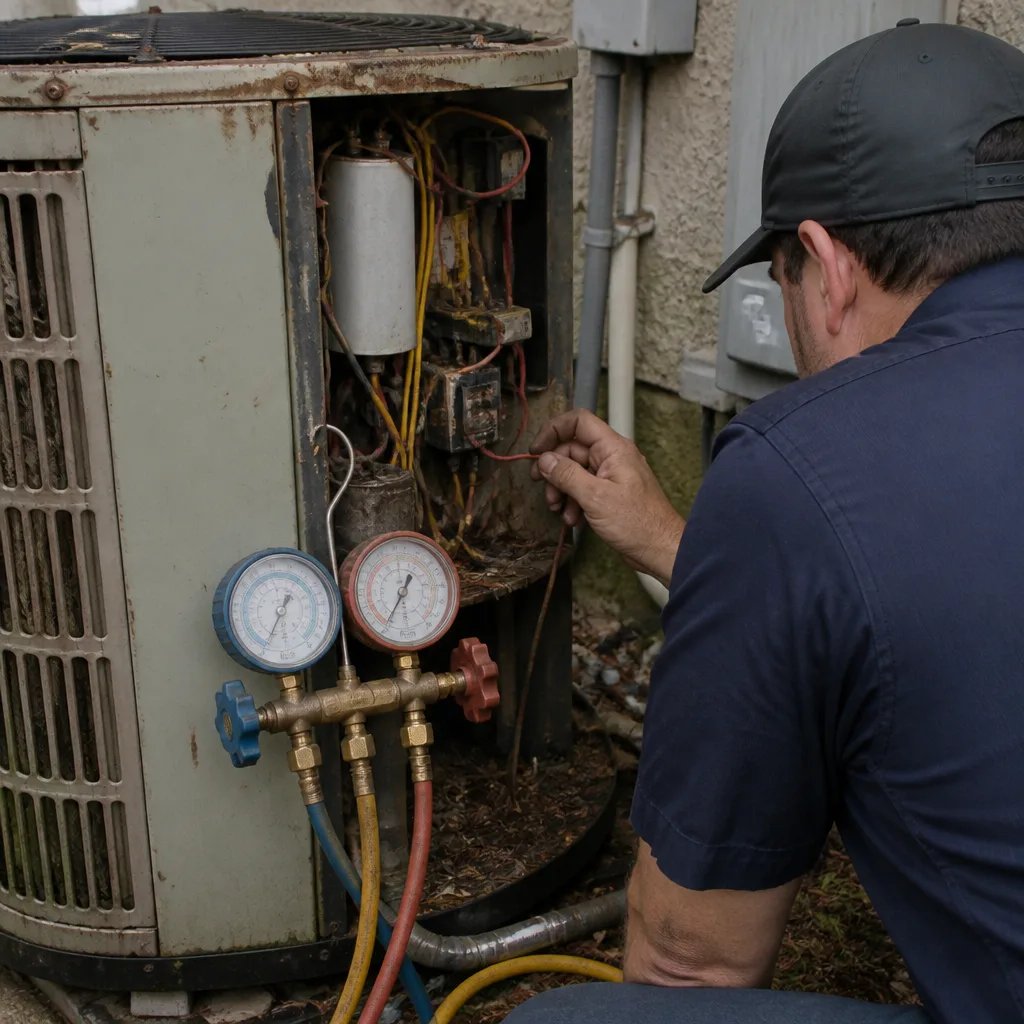 Before
 After
 Before
 After
 Before
 After