
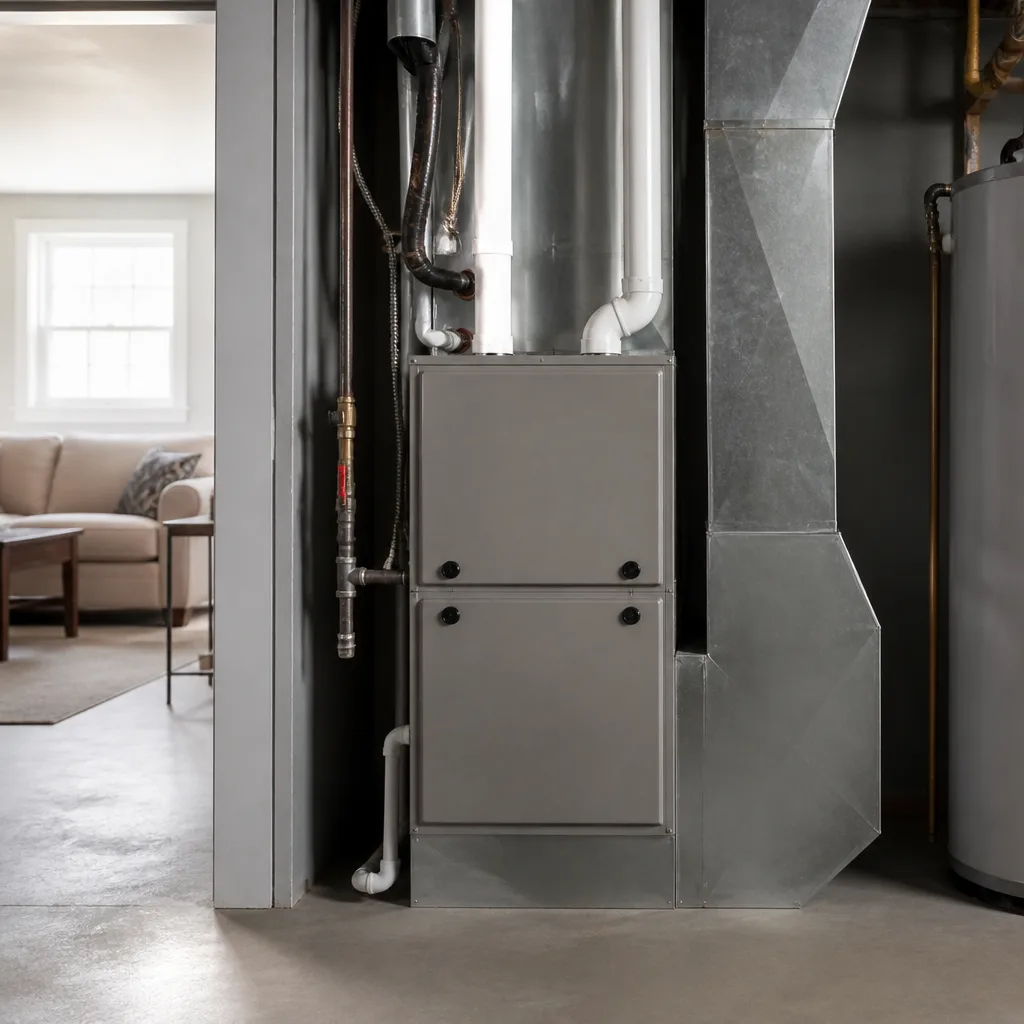
 Furnace & heating
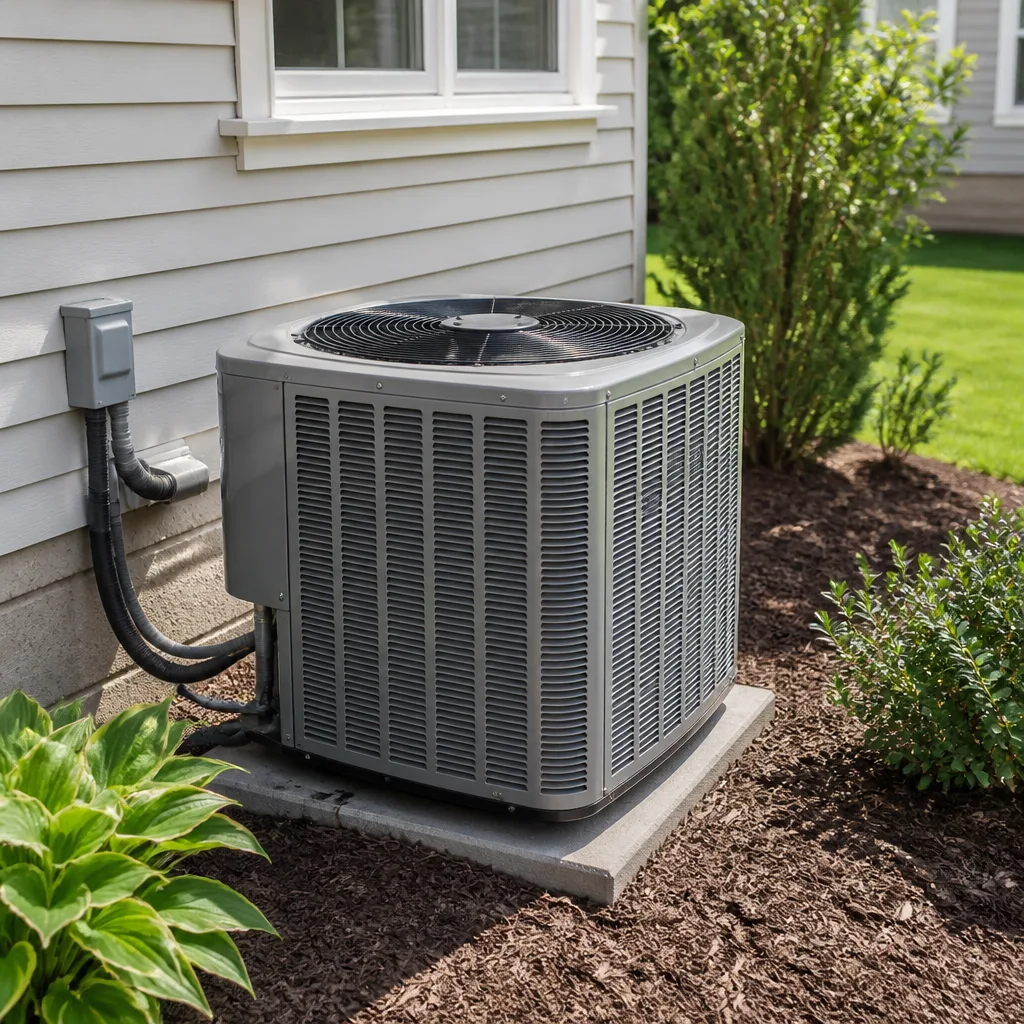 AC repair
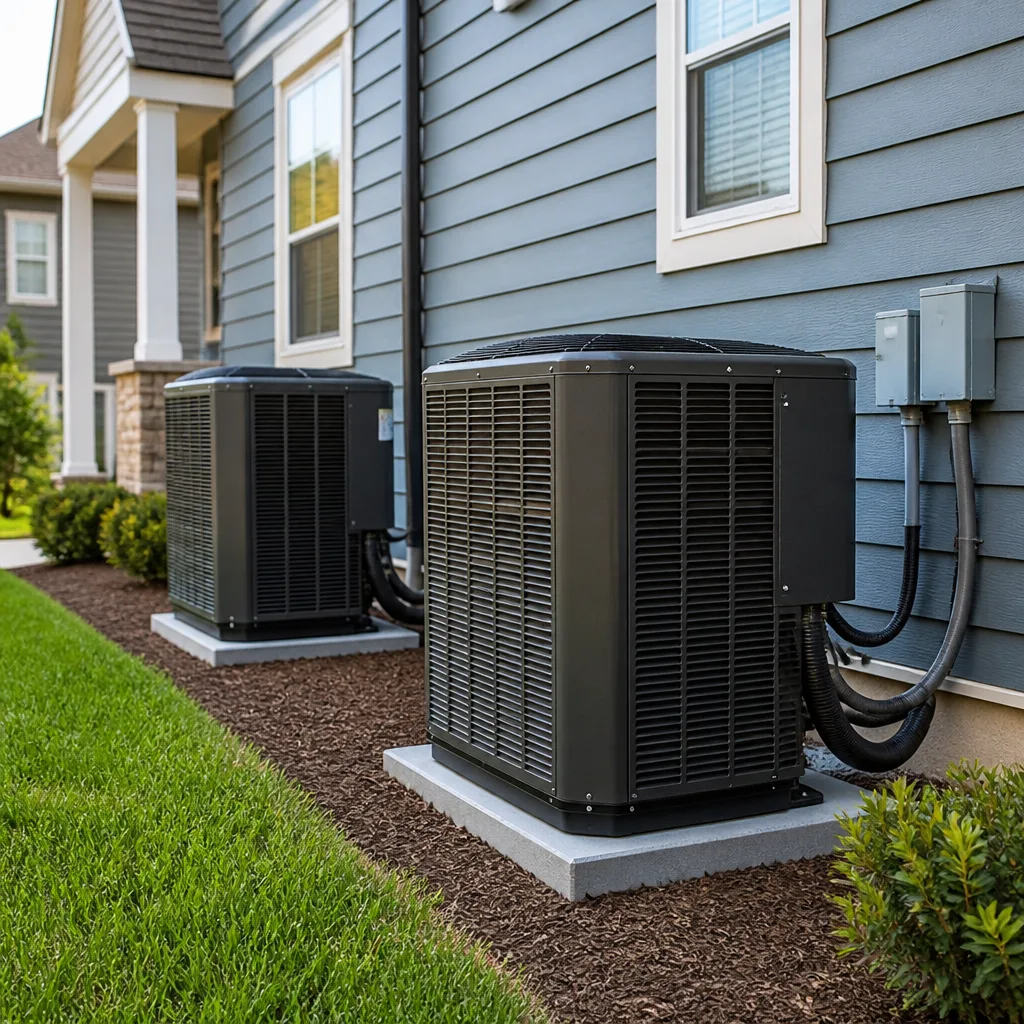 Heat pumps
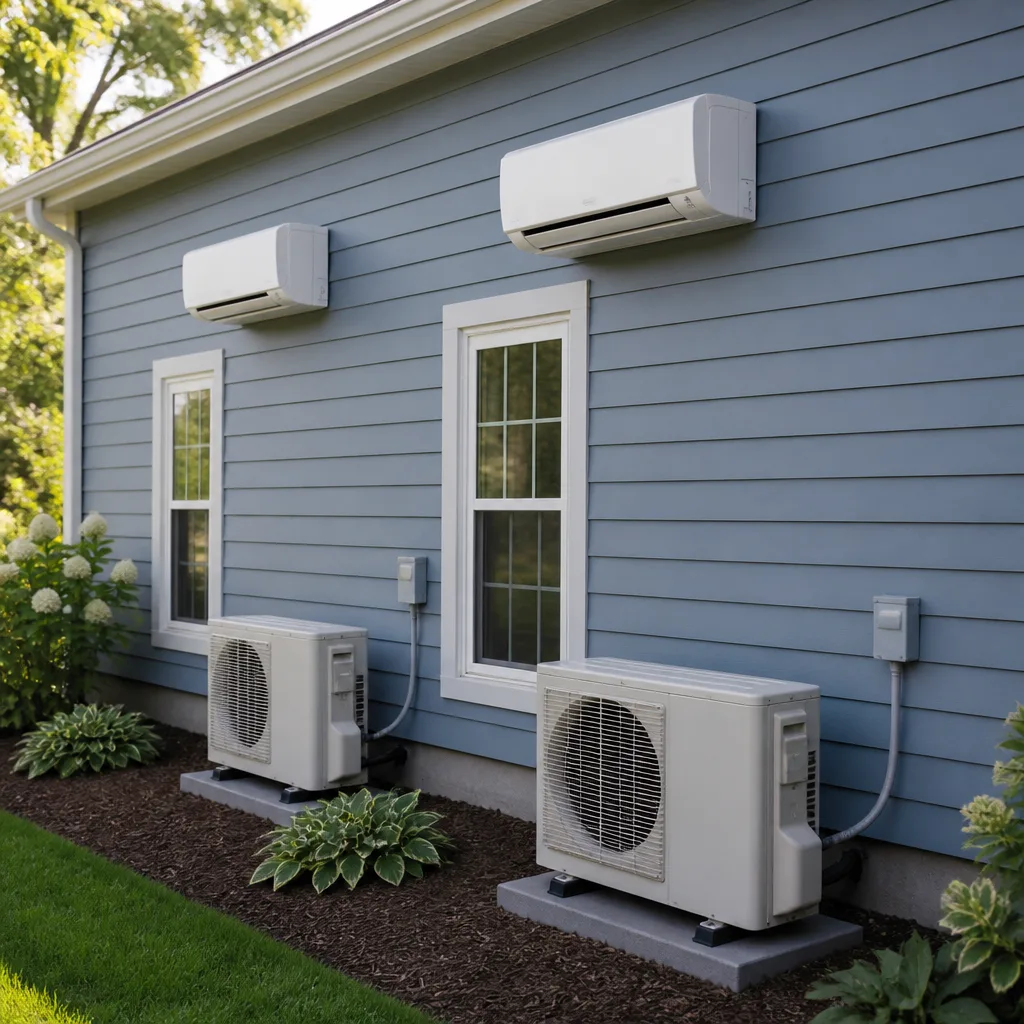 Ductless mini splits
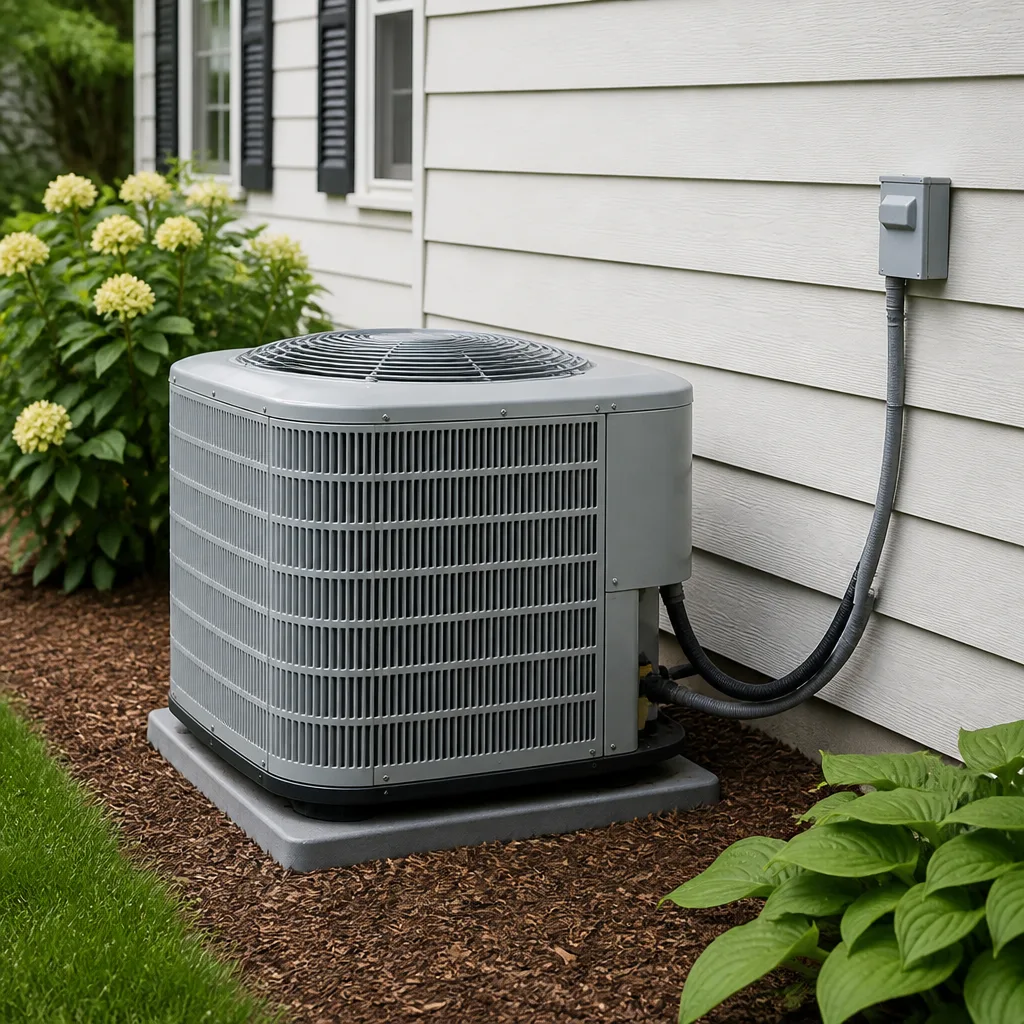 Carrier
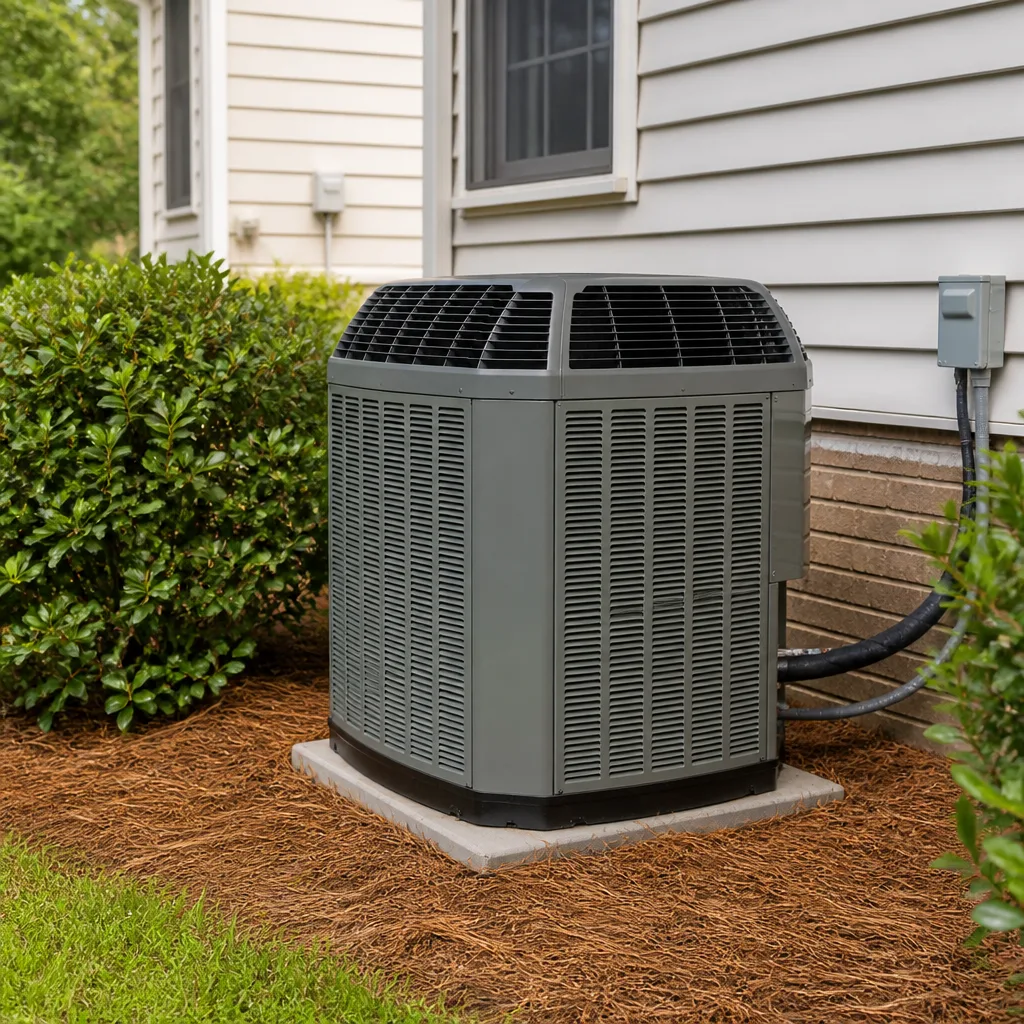 Trane
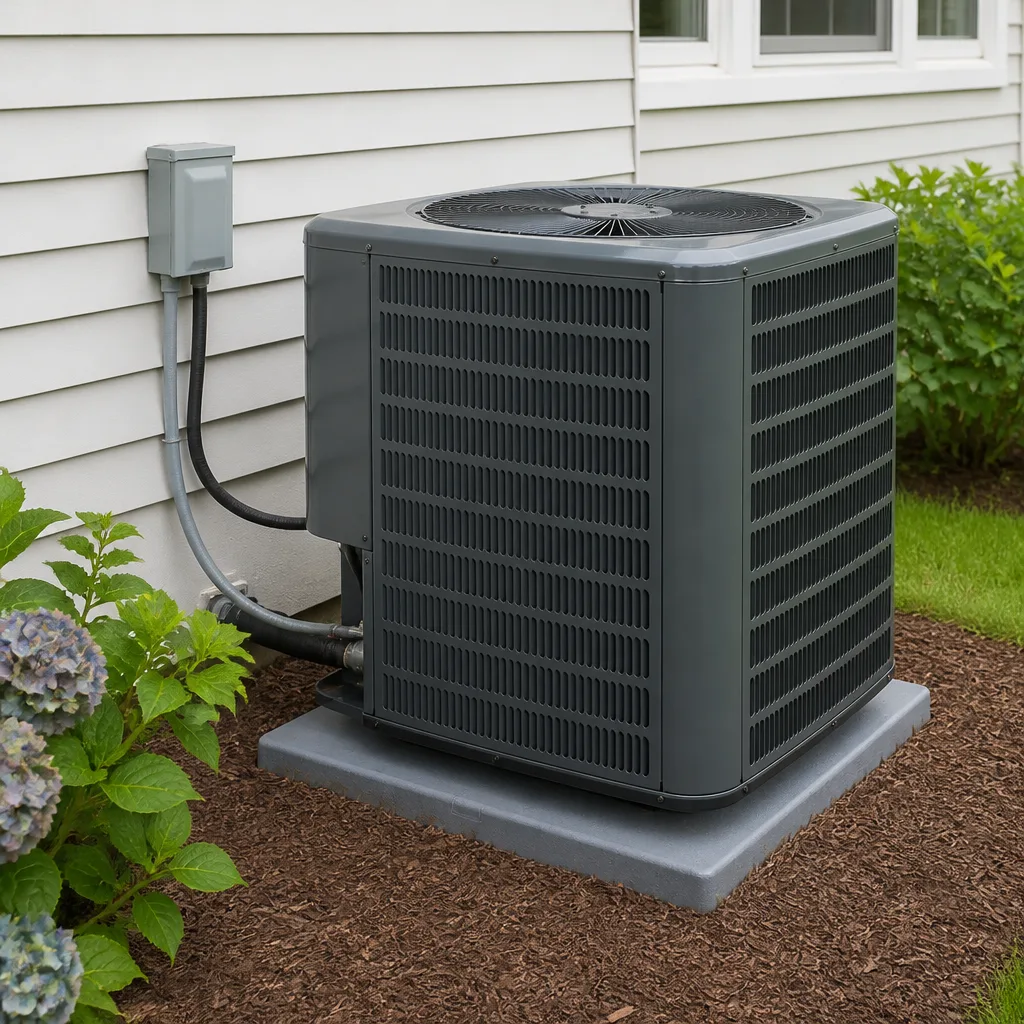 Goodman
Seasonal tune-up and full diagnostic on your Carrier, Trane, or Goodman system - readings shown to you before any repair is proposed
Diagnosis first, numbers second - you approve the repair price before a single part goes in.
Get your free estimateAmerican Standard Capacitor Replacement: The Tampa Owner’s Guide
We stock and install American Standard-compatible capacitors across Tampa, and the typical installed price runs $180 to $340 depending on the capacitor your system needs. Most capacitor replacements happen same-day because our trucks carry the common American Standard ratings: the dual-run 35/5, 40/5, 45/5, and 50/5 microfarad units that show up in the majority of residential condensing units. The way owners usually find out is simple: the outside unit hums but the fan won’t spin, or the compressor tries to start and then gives up with a click.
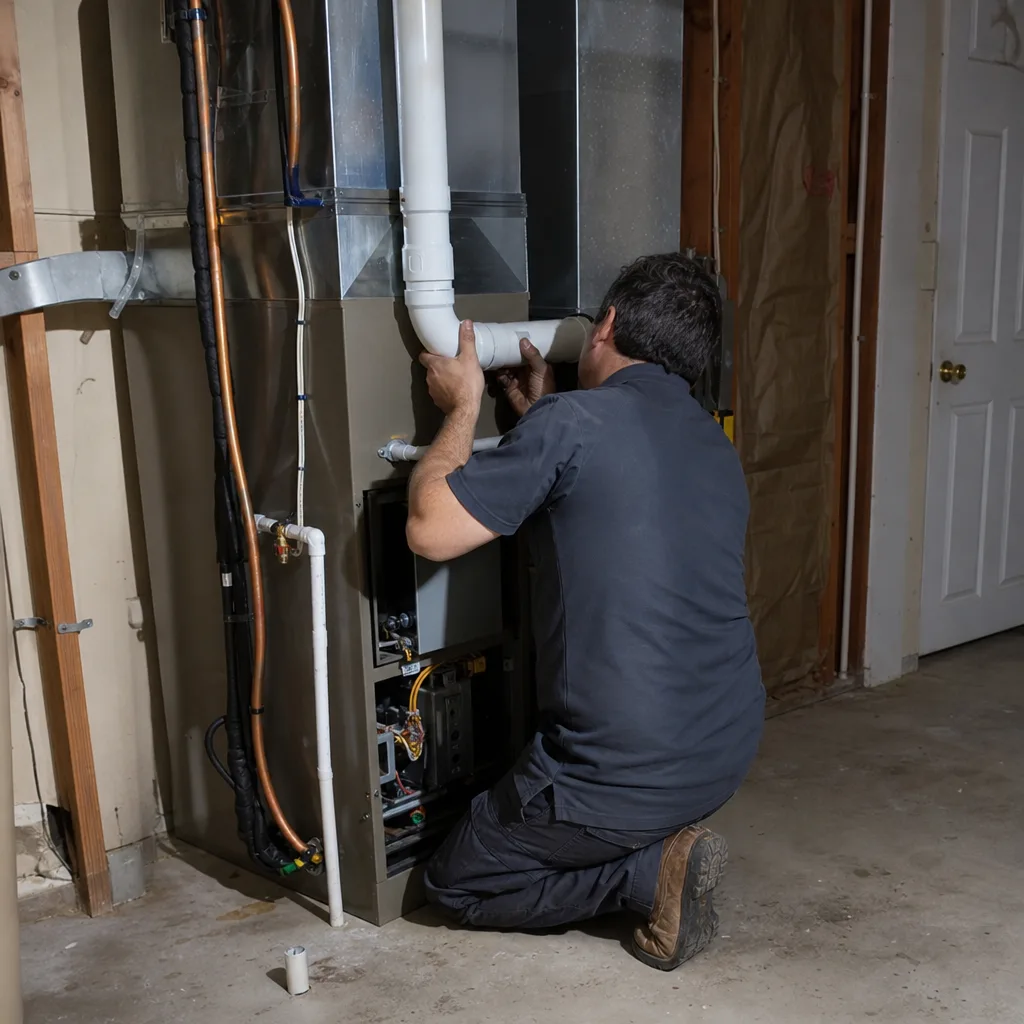
If you’re standing next to your condenser right now and hearing that hum, don’t keep resetting the breaker. That hum is the compressor pulling locked-rotor current because the start winding isn’t getting the phase shift a working capacitor provides. Letting it sit there humming for long stretches is how a $25 part turns into a $1,200 compressor job. Turn the system off at the thermostat and call us at (728) 212-0500.
Which American Standard Models This Applies To
We replace capacitors on American Standard systems across the Silver, Gold, and Platinum series lines, including the Allegiance and Heritage model families that make up most of Tampa’s installed base. The capacitor doesn’t care about your model number for compatibility, but the rating absolutely does, and that’s where we’ve seen owners get tripped up.
The data plate on the side of your condenser tells you the exact story. On American Standard units, you’ll find a dual-run capacitor marked with two microfarad ratings, like 45/5 μFD or 40/7.5 μFD, plus a voltage rating of 370 or 440 VAC. A 440 VAC capacitor works fine where a 370 was, but not the other way around. Tampa’s heat pushes marginal capacitors harder than most climates, so when our techs do a swap, we always move failing 370s up to 440, which American Standard themselves have done on newer production. If someone’s ever replaced your capacitor with a mismatched microfarad rating because it was what the supply house had, that’s the root cause of a lot of short-cycling and hard starts we fix.
On the OEM versus aftermarket question: American Standard capacitors are made well, but so are the ones from Mars, Titan, and AmRad, which is what we stock in bulk. You’re paying for the rating and the build quality, not the sticker. Our standard replacement is a US-made dual-run from either AmRad or Titan, 440 VAC rated, and it comes covered by the 365-Day Done Right Promise.
Styles & brands we work with
Signs Your American Standard Capacitor Replacement Is Failing
- The outside unit hums but the fan doesn’t turn. The capacitor has lost enough microfarads that it can no longer supply the starting torque to spin the fan motor. If you catch it early, a push-start with a stick can confirm it temporarily, but don’t run the system that way.
- The compressor short-cycles: it starts, runs a minute or two, then shuts off. A weak start capacitor forces the compressor to draw more current than the thermal overload will tolerate, so it trips and rests, trips and rests. This cycling is hard on every electrical connection in the system.
- The capacitor case is bulging on top or the sides look swollen. Inside that metal can are two rolls of foil separated by dielectric fluid. When heat and age break down the dielectric, gases build up and push the lid out. A bulged capacitor is a failed capacitor, even if it still tests okay on a meter for a few more weeks.
- You see oily residue around the capacitor terminals or on its mounting bracket. That fluid is the dielectric leaking out. Once it’s gone, the capacitor’s ability to store and release a charge collapses. This one’s easy to spot with a flashlight and worth checking if your system is acting sluggish.
- Your energy bill ticks up noticeably in a month with normal weather. A failing run capacitor lets the compressor draw more amps to do the same cooling work. It’s a slow bleed rather than a sudden failure, and Tampa’s long cooling season means the extra cost compounds.
Here’s what Luis Serrano tells every customer who calls in with one of these symptoms: “Tell me what you’re hearing, and I’ll tell you what it means.” A hum, a click, a rattle on start-up: each one points somewhere specific, and a good tech figures it out before touching a single bolt, not after.
Replacement Cost & What’s Included
For American Standard capacitor replacement in Tampa, you’re looking at $180 to $340 installed. The capacitor itself runs $15 to $25 at supply-house pricing depending on whether it’s a single-run or dual-run and which microfarad rating you need. The rest of the job is the labor to get to the component, test the old one under load, install the new one with the right torque on the terminals, and confirm the amp draw drops back to spec after start-up.
What moves the price toward the higher end: a capacitor buried behind a control panel that takes longer to access, or a system that needs a second capacitor because the indoor blower capacitor has failed too. We see that more in older American Standard air handlers. And a note if you’re shopping online: an $18 capacitor from a marketplace seller is not the same as a $25 AmRad from a Tampa supply house. Counterfeits and old-stock capacitors that have been sitting in a hot warehouse for five years fail early.
Every capacitor replacement from Meadowsweet includes a written price before we start, a 440 VAC replacement as standard practice, and the 365-Day Done Right Promise. If the new capacitor fails inside a year, we replace it free. No fine print about pro-rated labor, no runaround.
See the difference
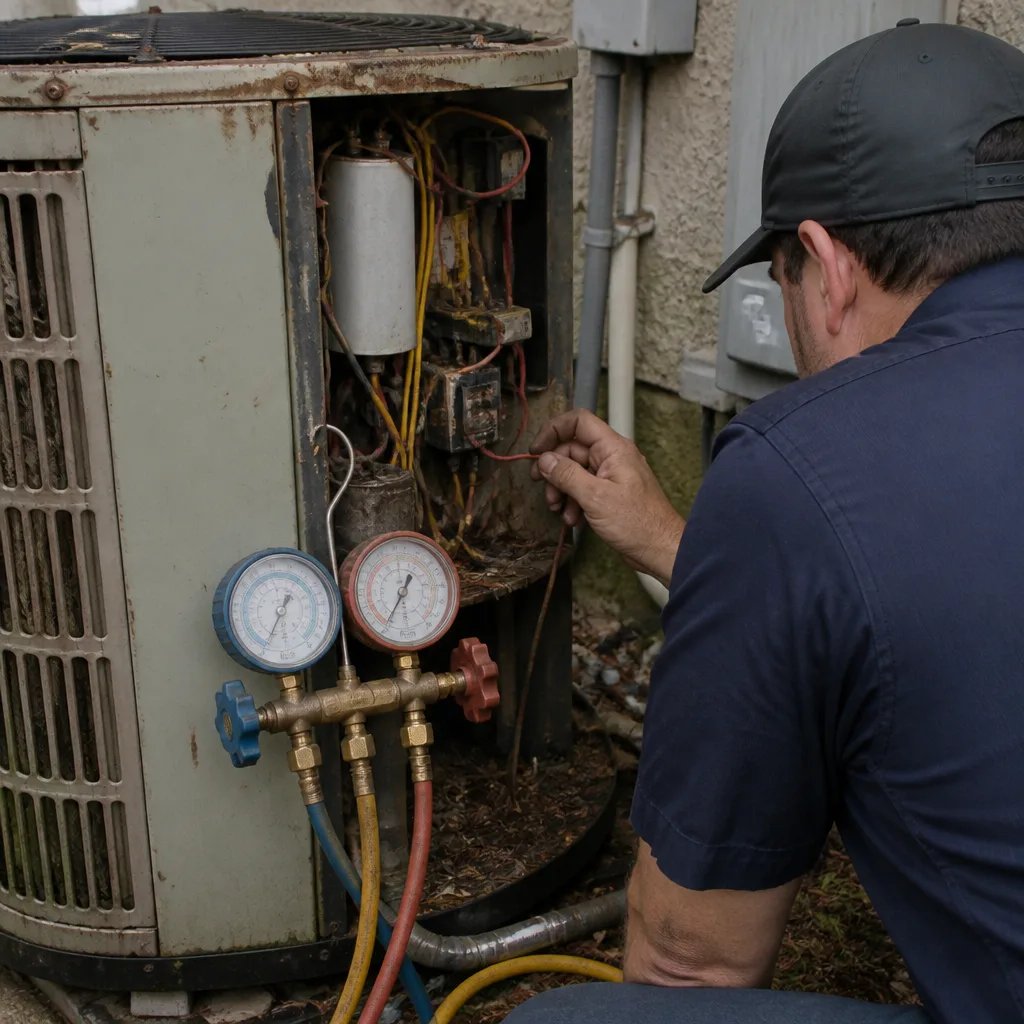 Before
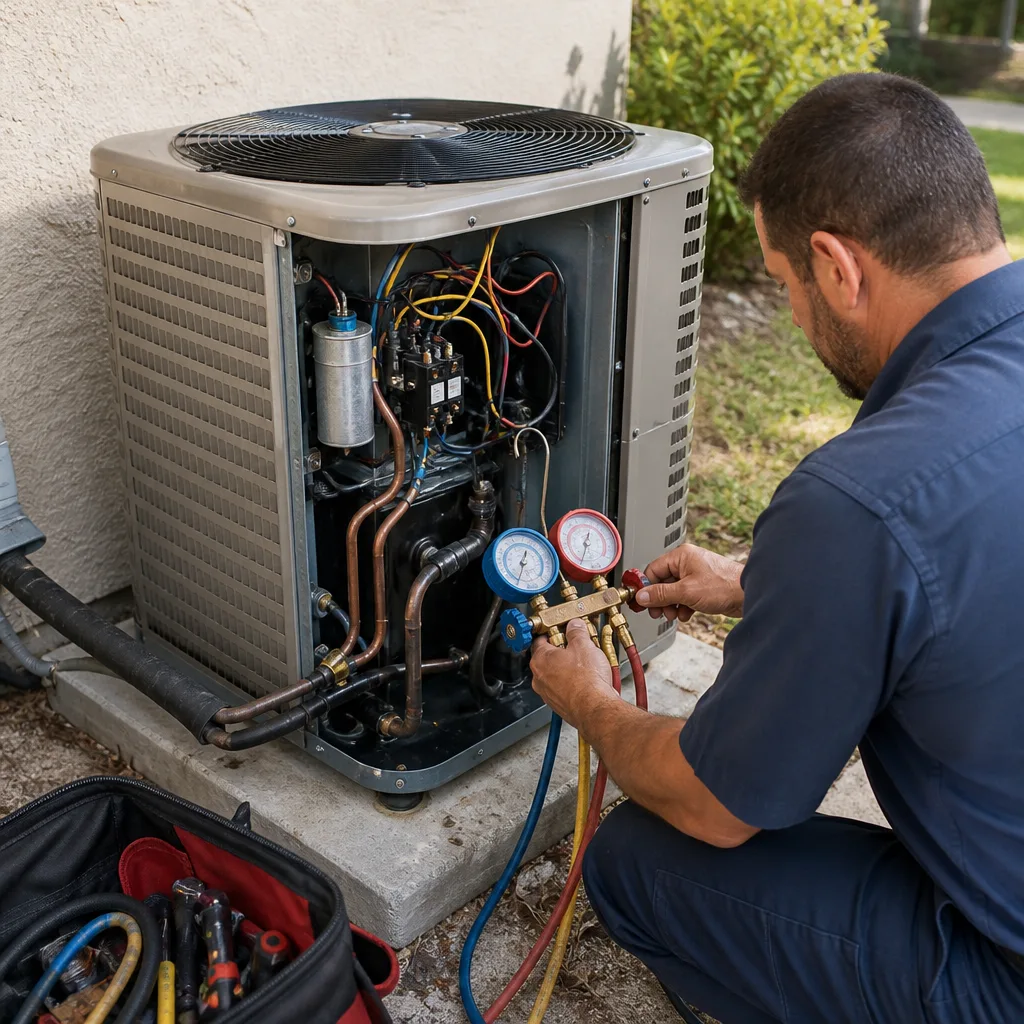 After
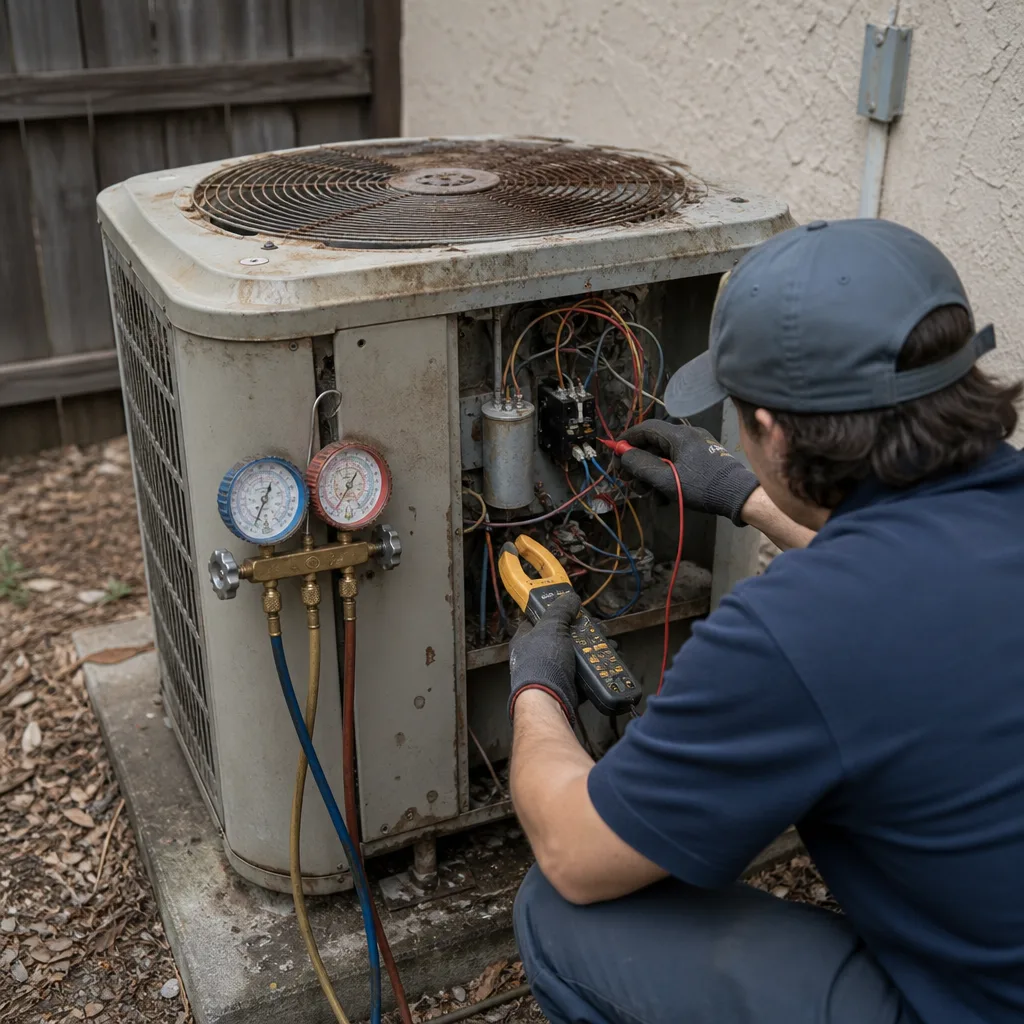 Before
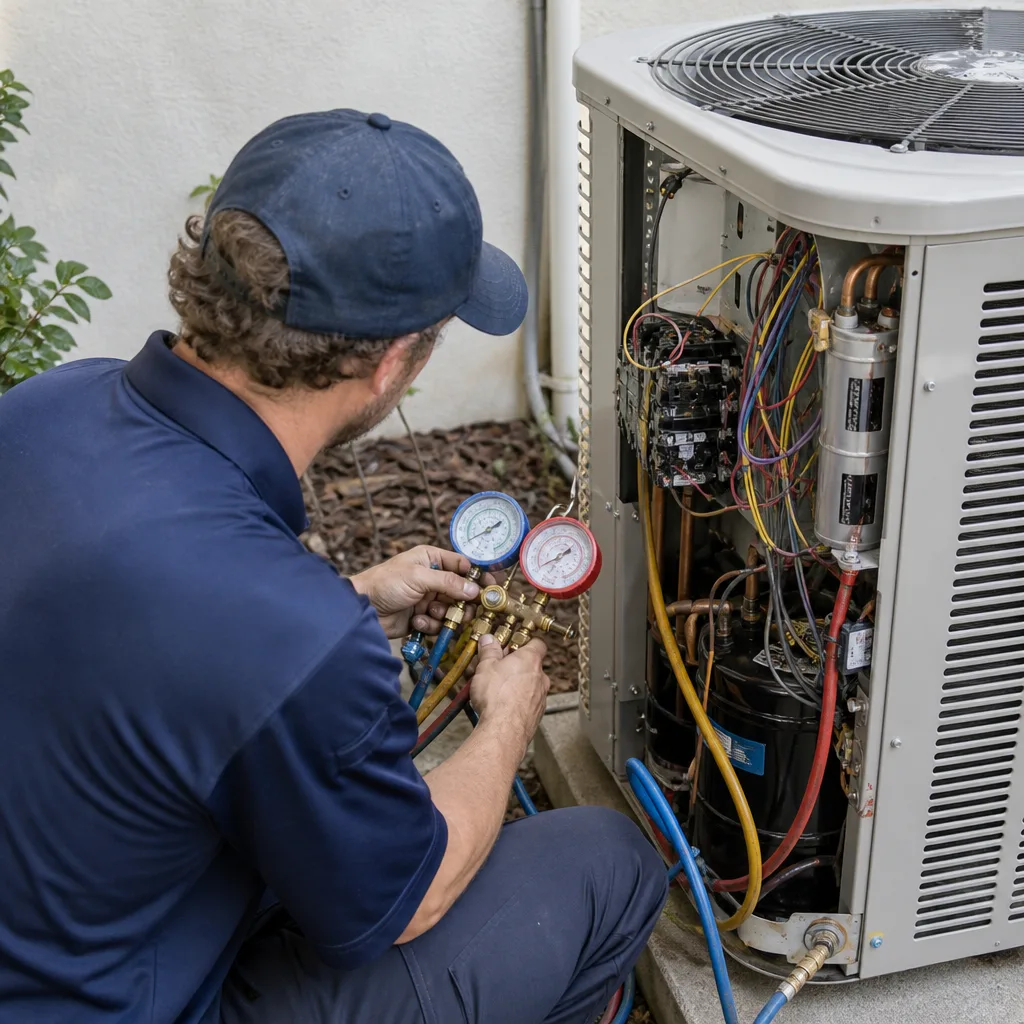 After
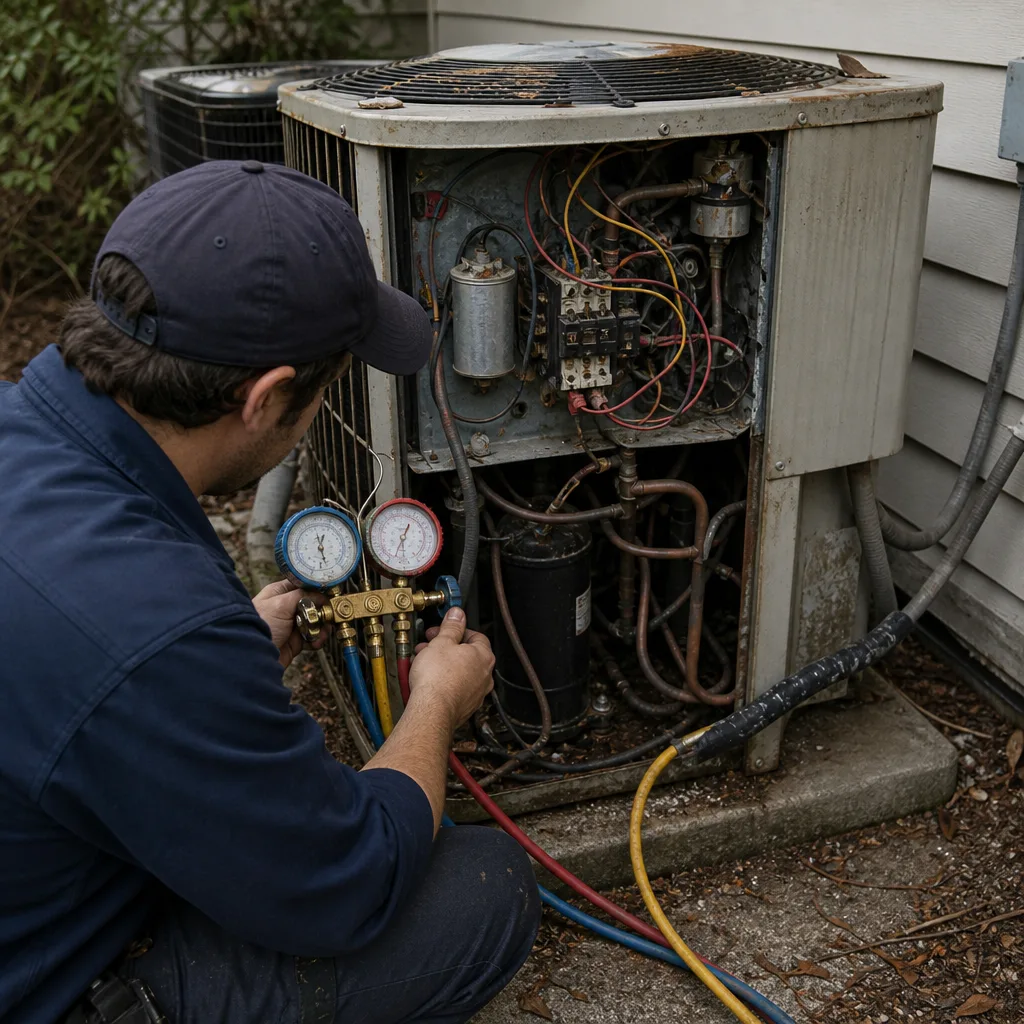 Before
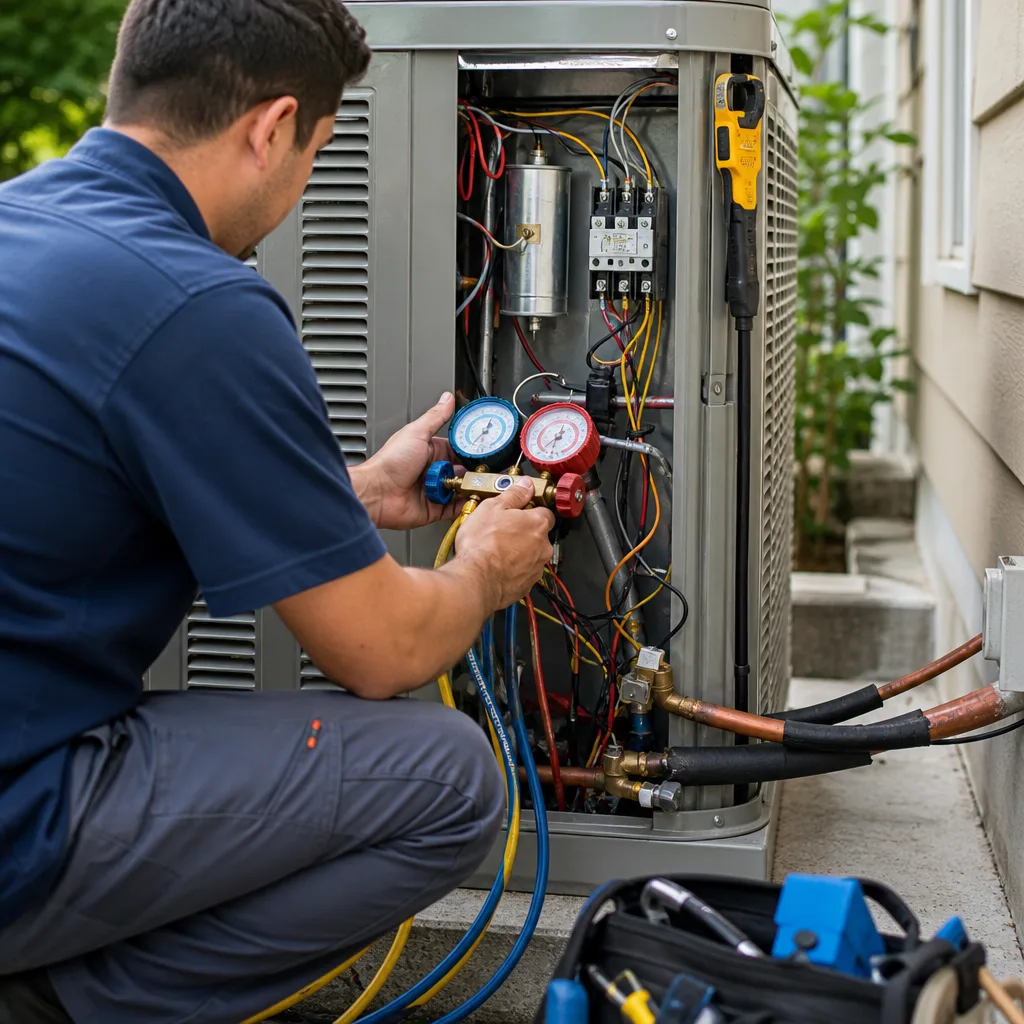 After
DIY or Call Us?
A capacitor holds a charge strong enough to knock you back even after the power is off, and American Standard condensers don’t have a bleeder resistor on every model. That’s not a scary warning; it’s just the physics. If you know how to discharge a capacitor safely with an insulated screwdriver and you’re comfortable reading the μFD and VAC ratings on the old part, you can do this job. Kill the breaker at the panel, pull the disconnect at the condenser, discharge, note exactly which wire goes to which terminal, and don’t touch the old capacitor’s terminals with bare hands.
But if any of that makes you pause, call us. Most of the capacitor jobs we do in Tampa take under an hour, and the price difference between doing it yourself and having us do it is less than a dinner out. We’ll also check the contactor while we’re in there, because a pitted contactor is often what kills a capacitor in the first place. Call (728) 212-0500 and a live person answers.
FAQs
Plan on 5 to 10 years in this climate. Tampa’s heat, humidity, and frequent cycling during the long cooling season push capacitors harder than the national average, and we regularly replace capacitors on 6- to 8-year-old systems that are still otherwise healthy. A 440 VAC capacitor and a clean electrical panel both extend the lifespan.
No, capacitors are sealed and cannot be repaired. Once the dielectric breaks down or the case bulges, the only fix is replacement. The good news is that replacement is one of the least expensive and fastest repairs on any American Standard system, so there’s no reason to nurse a failing one along. Call (728) 212-0500 for a written quote before any work starts.
The swap itself takes 20 to 30 minutes on most American Standard condensers, and the full visit including testing and a quick check of the contactor and wiring usually runs 45 to 60 minutes. We can almost always complete it in a single visit because the common ratings are already on our trucks.
Yes. Our Tampa trucks carry the common dual-run ratings (35/5 through 50/5 μFD) in 440 VAC, plus single-run capacitors for blower motors. For unusual ratings on older or larger systems, we can source the exact match from a local supply house the same day. We also stock capacitors for Carrier, Trane, and Lennox systems.
Call Meadowsweet Heating and Air Tampa for American Standard Capacitor Replacement
If your American Standard system is humming, clicking, or short-cycling, call us at (728) 212-0500 for a free estimate. We’ll get a background-checked, uniformed technician to your Tampa home, put shoe covers on before walking through the door, lay down drop cloths where the work happens, and send you a photo of the clean-up before we leave. The written price comes before any work starts. Luis and the crew have been doing this long enough to know that a capacitor replacement is a thirty-minute job; the trust that gets us called back takes years.
Written by Luis Serrano, Owner, Meadowsweet Heating and Air Tampa at Meadowsweet Heating and Air Tampa, serving Tampa and nearby areas.