
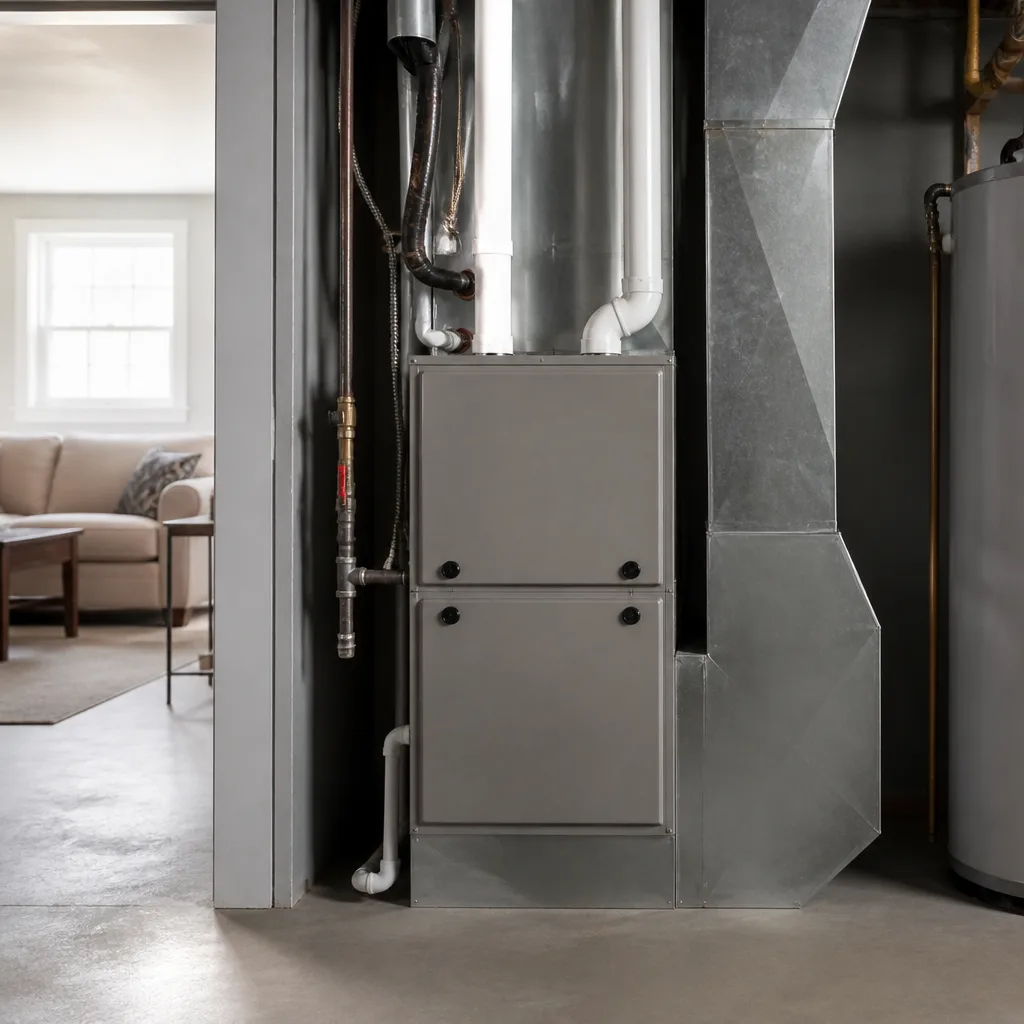
 Furnace & heating
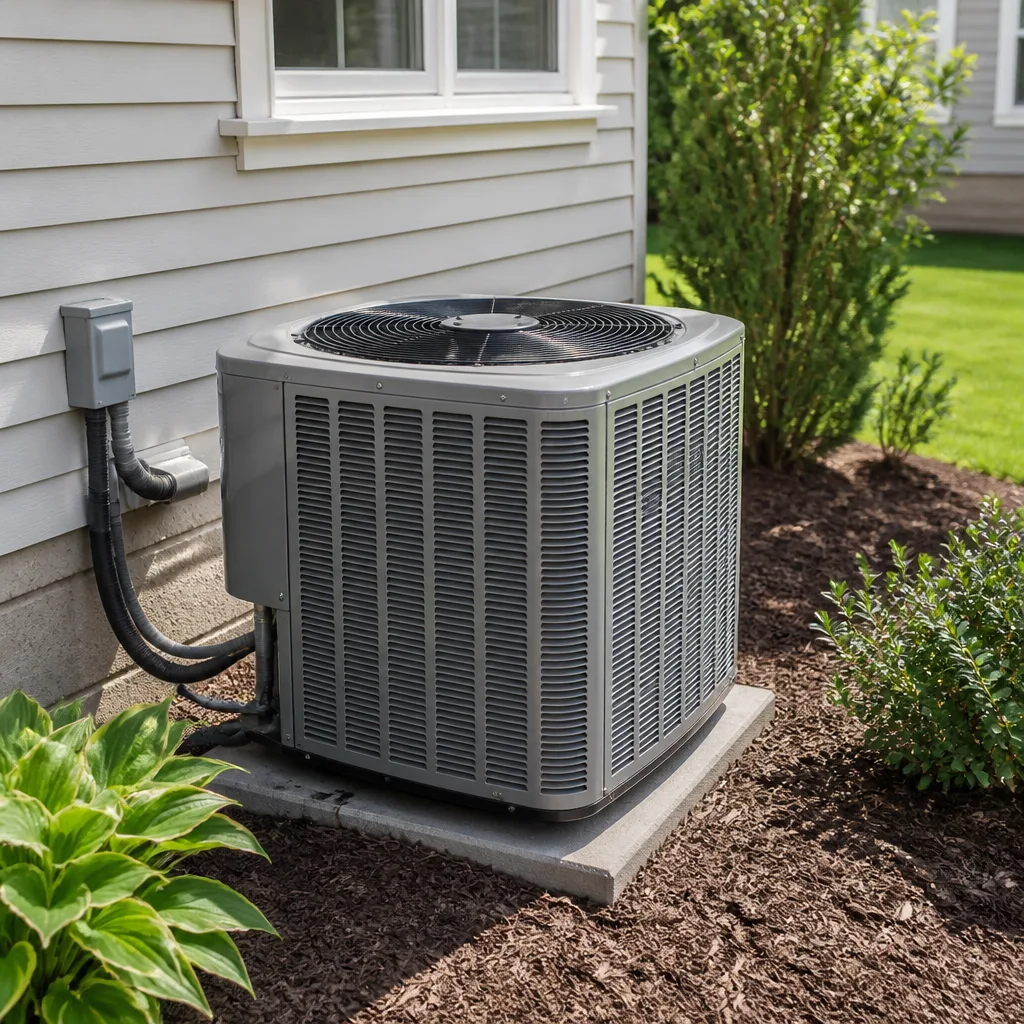 AC repair
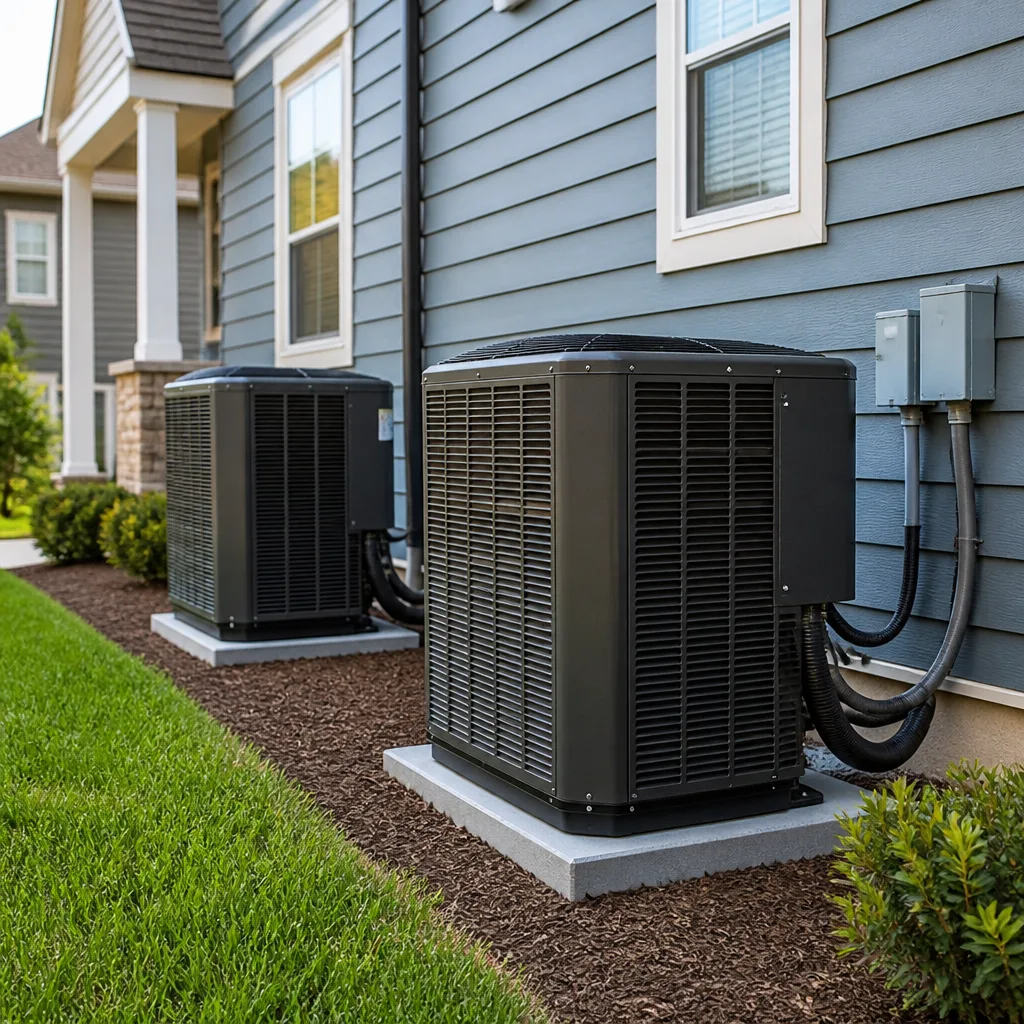 Heat pumps
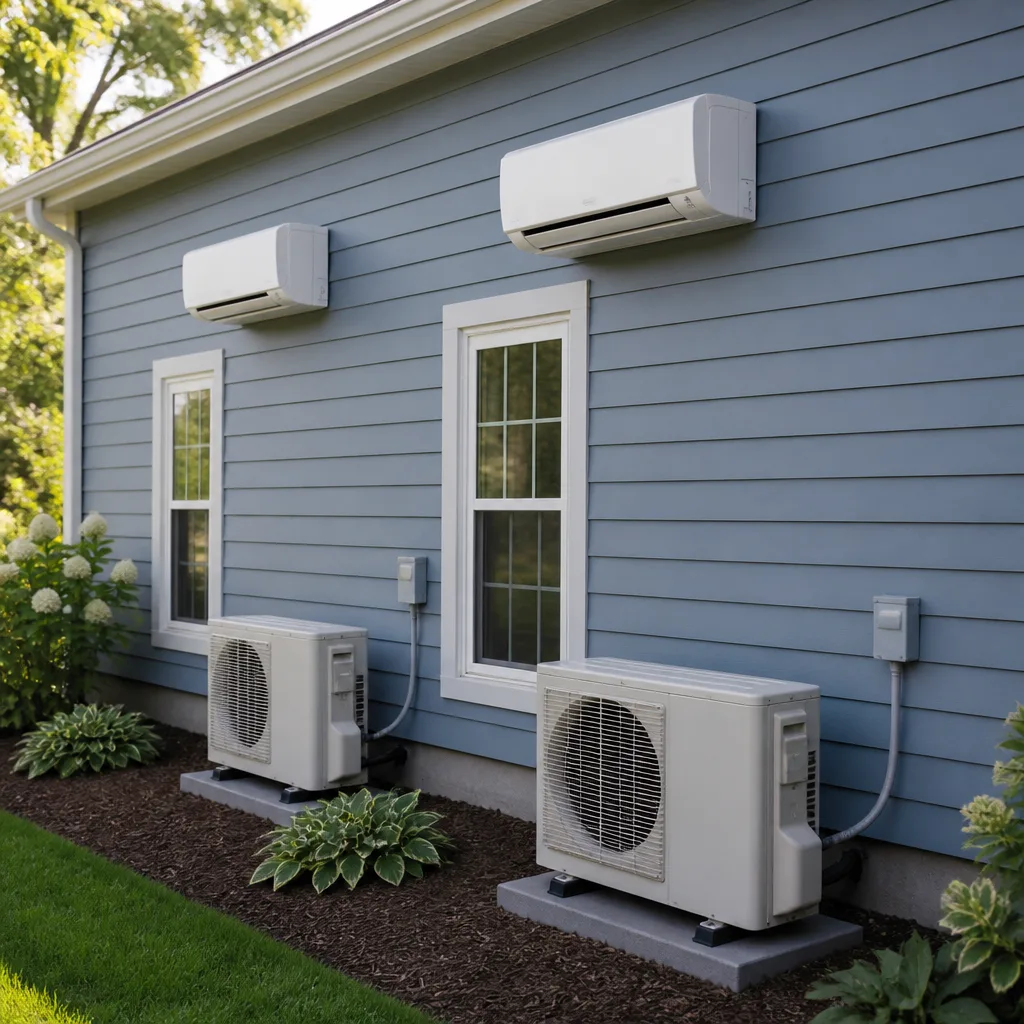 Ductless mini splits
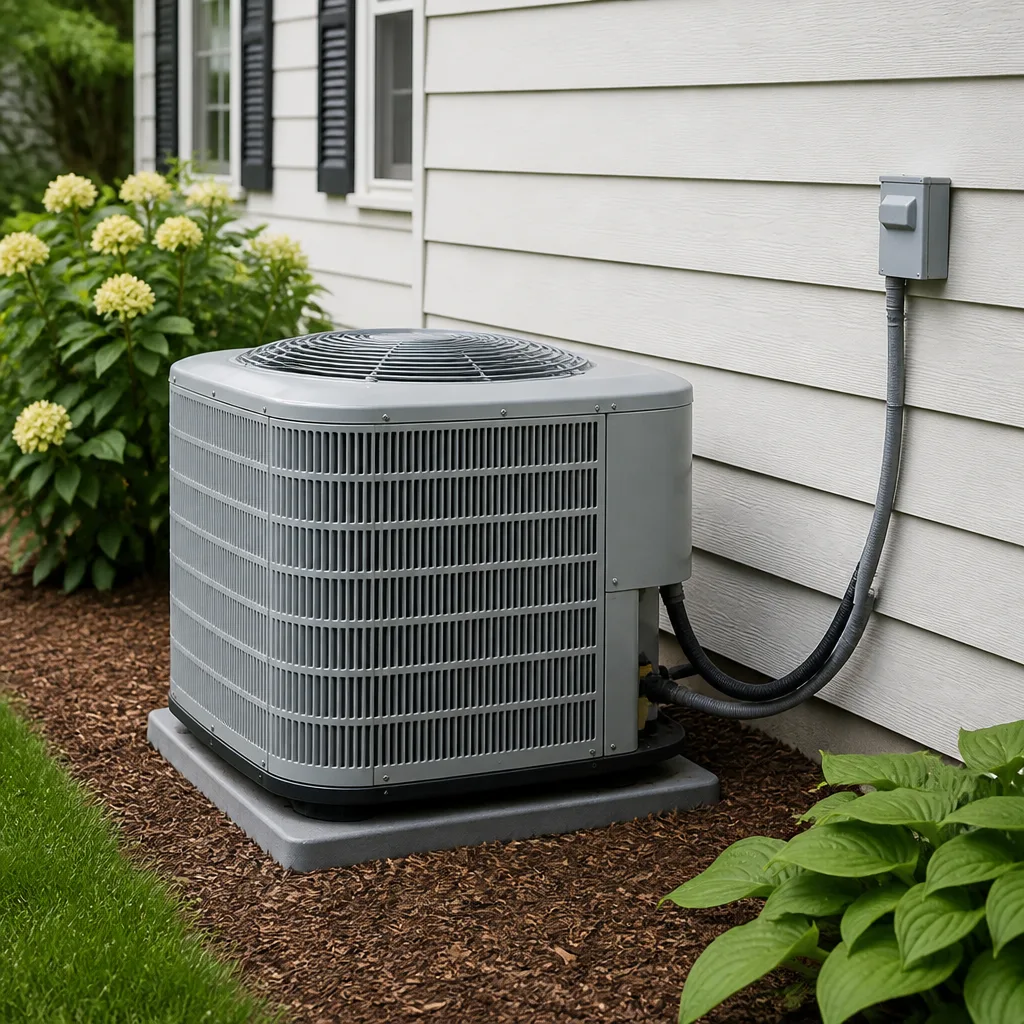 Carrier
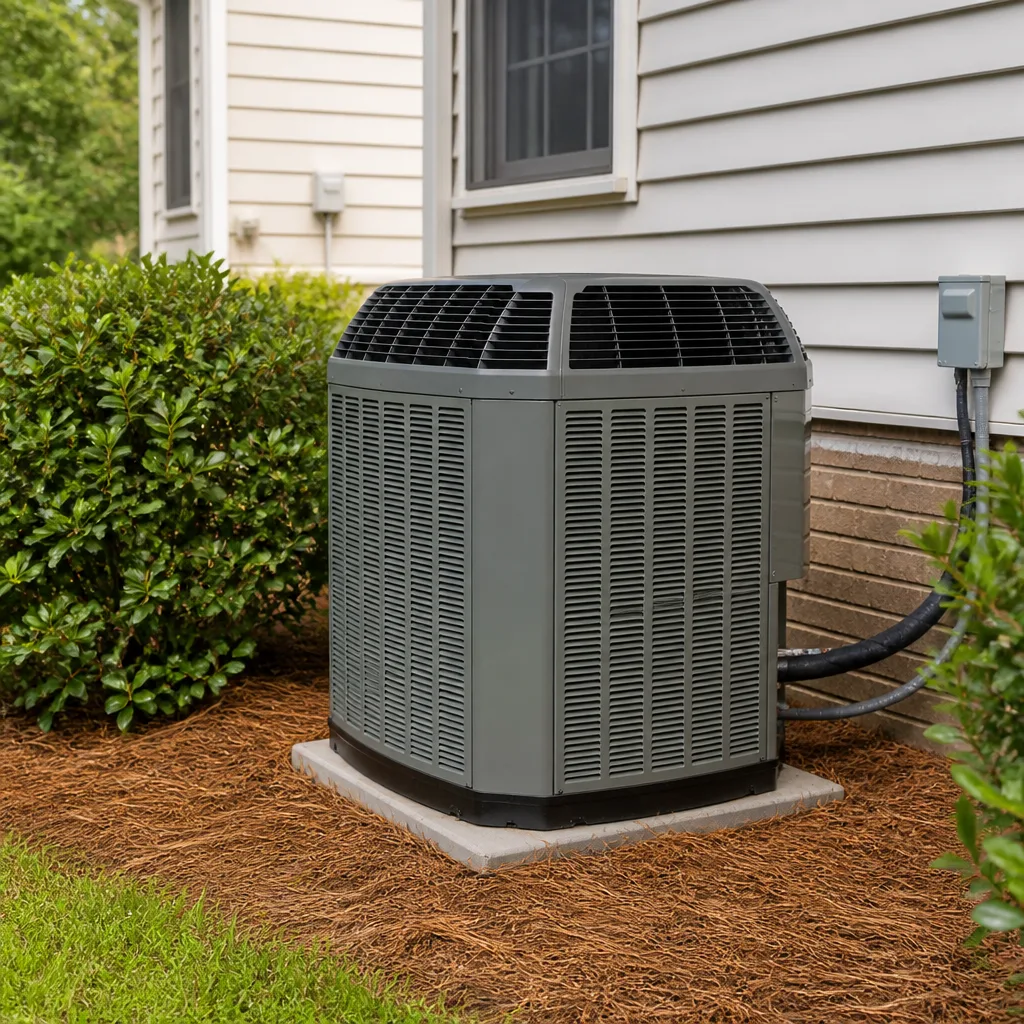 Trane
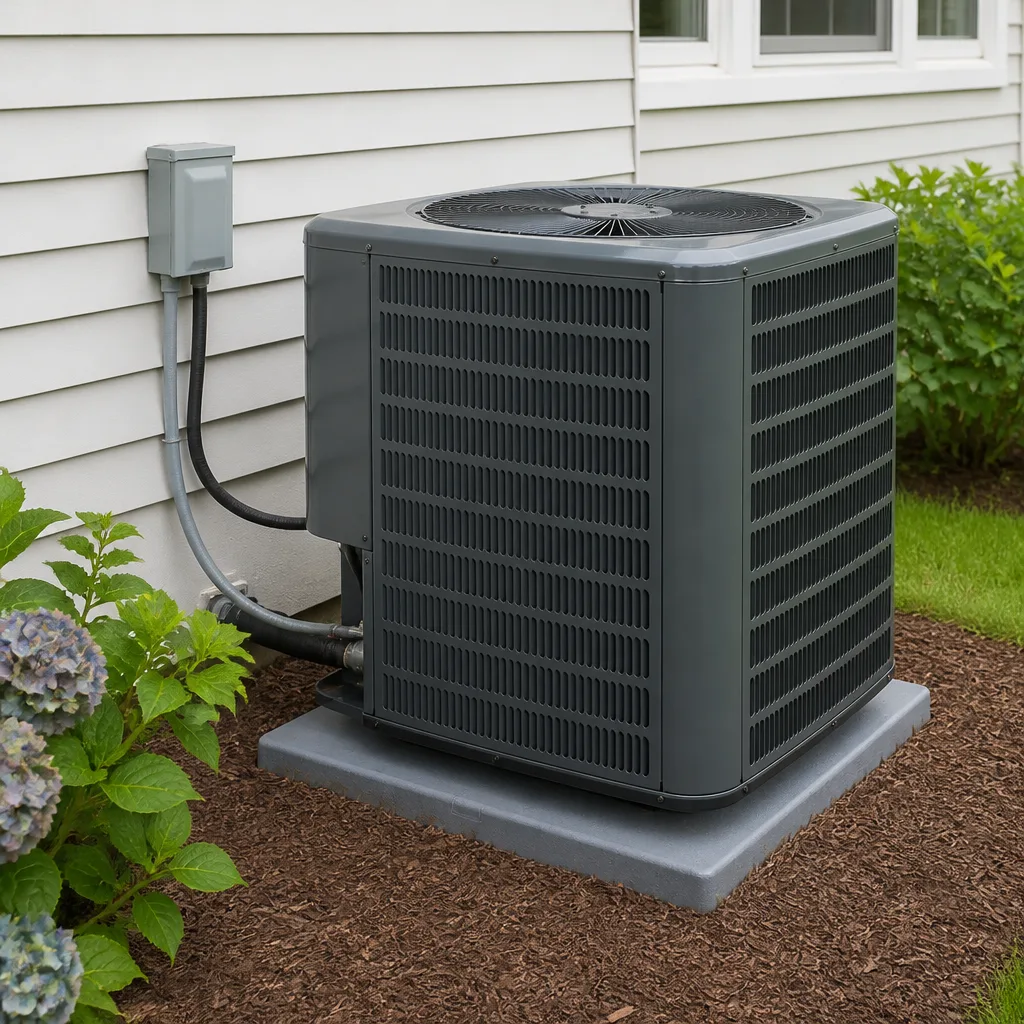 Goodman
Seasonal tune-up and full diagnostic on your Carrier, Trane, or Goodman system - readings shown to you before any repair is proposed
Diagnosis first, numbers second - you approve the repair price before a single part goes in.
Get your free estimateLennox Capacitor Replacement: The Tampa Owner’s Guide
We stock and install Lennox-compatible capacitors throughout Tampa, and most replacements run between $180 and $340 installed. We carry the common dual-run and single-run ratings on our trucks, so we can typically handle a Lennox capacitor swap same-day when you call before early afternoon. Most Tampa homeowners discover the failure the hard way: the outdoor unit hums but the fan won’t spin, or the compressor clicks and gives up when the afternoon heat index climbs past 100.
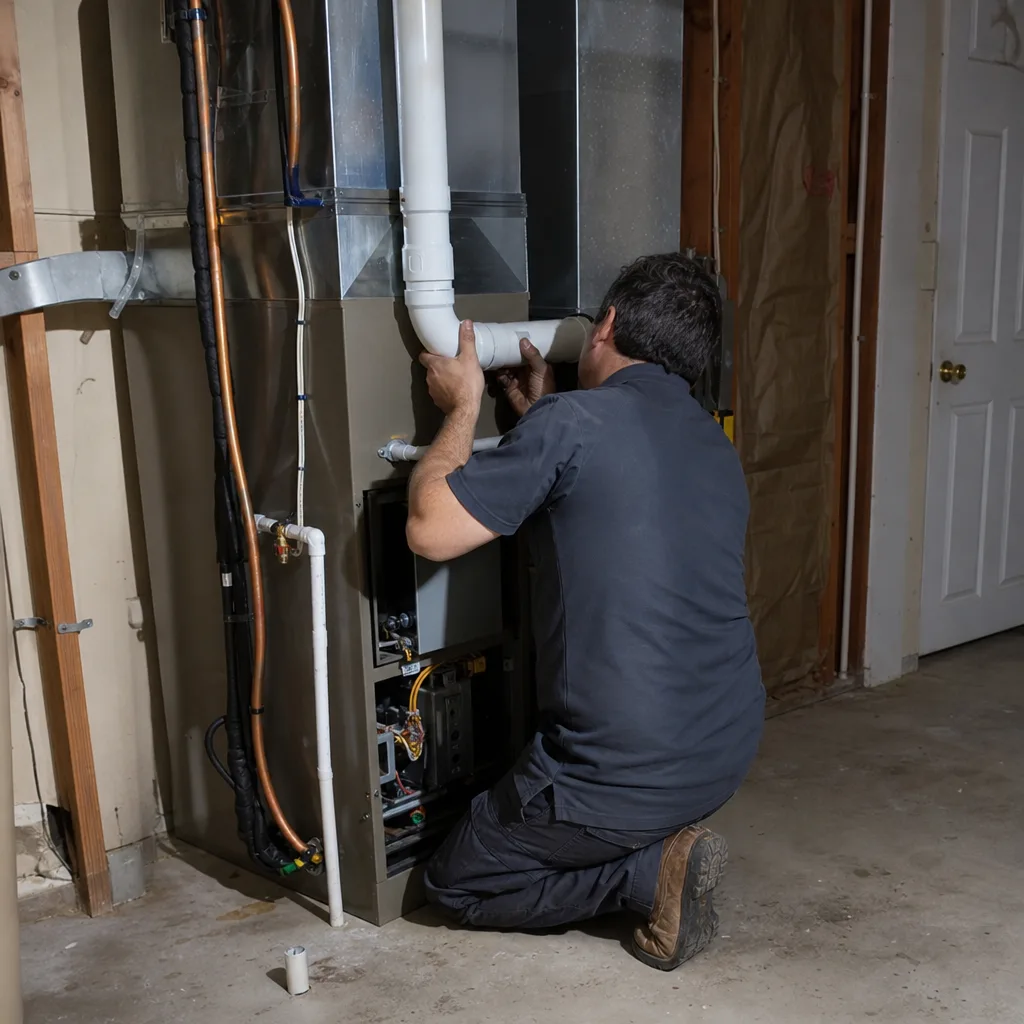
A capacitor is a small, unglamorous cylinder that gives your Lennox condenser’s fan motor and compressor the starting jolt they need. When it fails, the system either won’t start at all or it runs sluggishly and pulls too much current. The good news is that a capacitor is one of the most affordable parts in your system and one of the fastest repairs we do. The bad news, in a market like Tampa, is that Florida heat and humidity kill capacitors faster than anywhere else in the country.
Which Lennox Models This Applies To
Lennox has used cylindrical, metal-can run capacitors across their residential AC lines for decades, and the same replacement logic applies whether you have an older XC series, the Elite line, the Merit series, or a newer Dave Lennox Signature Collection unit. What varies is the microfarad (µF) rating and voltage. Most Tampa-area Lennox condensers use a dual-run capacitor rated between 35/5 µF and 70/7.5 µF, at 370 or 440 volts. The rating is printed right on the side of the capacitor can, along with a tolerance band that matters when we match it.
Here’s the compatibility gotcha that trips people up: Lennox units built after roughly 2015 often ship with a factory capacitor in an oval plastic shell with a quick-connect harness. Some owners assume any replacement must be that exact form factor. It doesn’t. A standard metal oval capacitor with the correct microfarad and voltage rating works perfectly, and the plastic-shell originals are simply Lennox’s cost-reduction packaging. A second gotcha: you can undersize a capacitor by a small margin in a pinch, but you should never oversize one. Oversizing a run capacitor shortens the life of the compressor and fan motor windings. That’s why we verify the rating against the data plate on the condenser, not just the stale label on the old part.
As for OEM versus aftermarket: Lennox doesn’t manufacture their own capacitors. They source them from the same tier-one electrical component manufacturers we buy from: Amrad, Genteq, Titan HD, and Mars. An Amrad “Made in USA” replacement is, in our experience, the best value for Tampa’s climate, and it’s what we stock most often. You’re not sacrificing anything by skipping the Lennox-branded packaging, and you’re often getting a better-built part.
Styles & brands we work with
Signs Your Lennox Capacitor Replacement Is Failing
- The outdoor unit hums but the fan doesn’t turn. That hum is the compressor or fan motor trying to start without enough stored energy in the capacitor. It’s the most common failure signature we hear from Tampa homeowners when the thermal overload eventually trips.
- The compressor short-cycles or clicks on and off. A weak capacitor can’t reliably hold the charge it needs each cycle. You’ll hear the compressor try to engage, then give up after a few seconds, then try again a few minutes later. Short-cycling is bad for compressor life, so don’t let this one ride.
- You need to “spin-start” the fan with a stick. This is the old-timer’s move, and it’s a classic sign of a run capacitor that’s completely dead, not weak. If you’ve ever had to do this once, the capacitor is done. The fan running on its own winding alone is overheating every minute it spins.
- Higher electric bills with no change in thermostat settings. A failing capacitor makes the compressor pull excess current while it struggles to start. Over a Tampa summer, that extra draw shows up as a real jump in your TECO bill even though the house feels the same.
- The top of the capacitor is domed, or it leaks oil. Capacitors contain dielectric fluid, and when heat causes internal pressure to build beyond spec, the top of the can bulges outward or splits at the seam. Any visible doming or oily residue is a failed part, no further testing needed.
See the difference
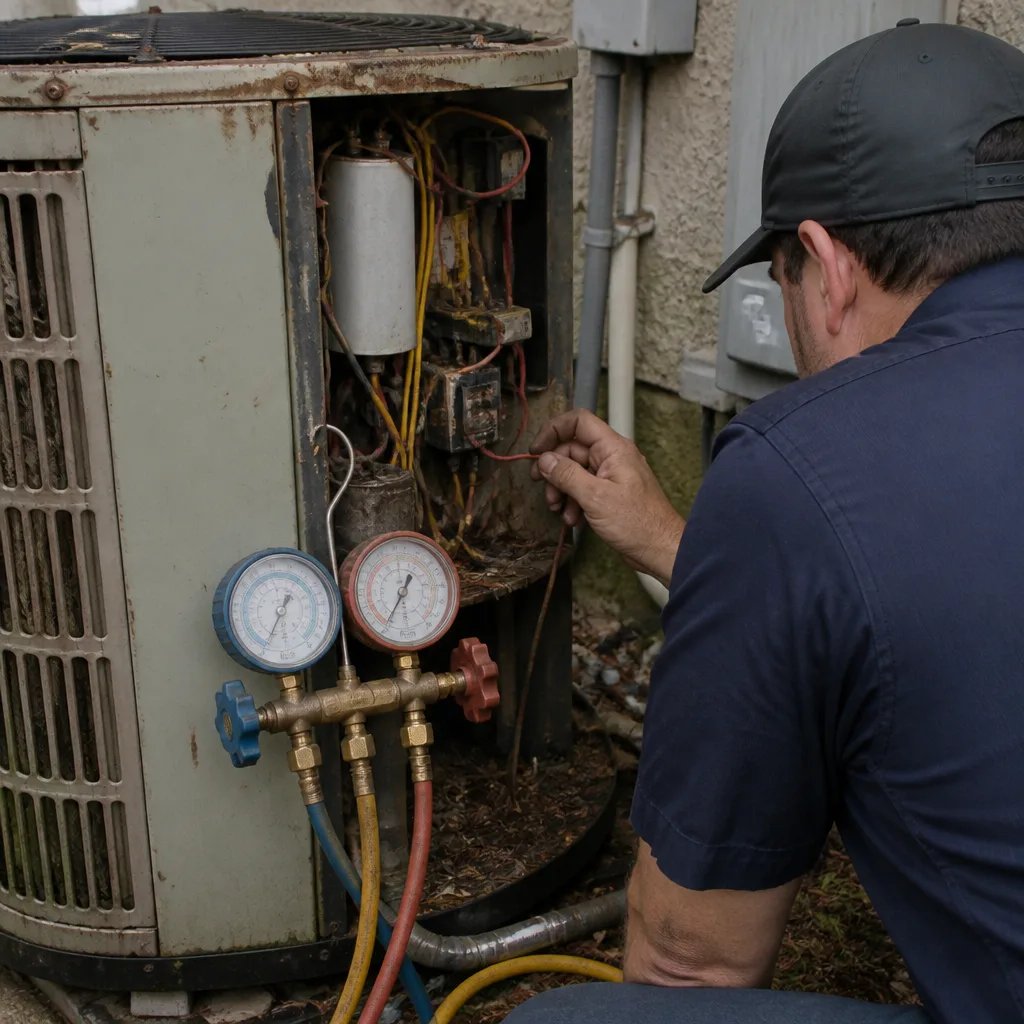 Before
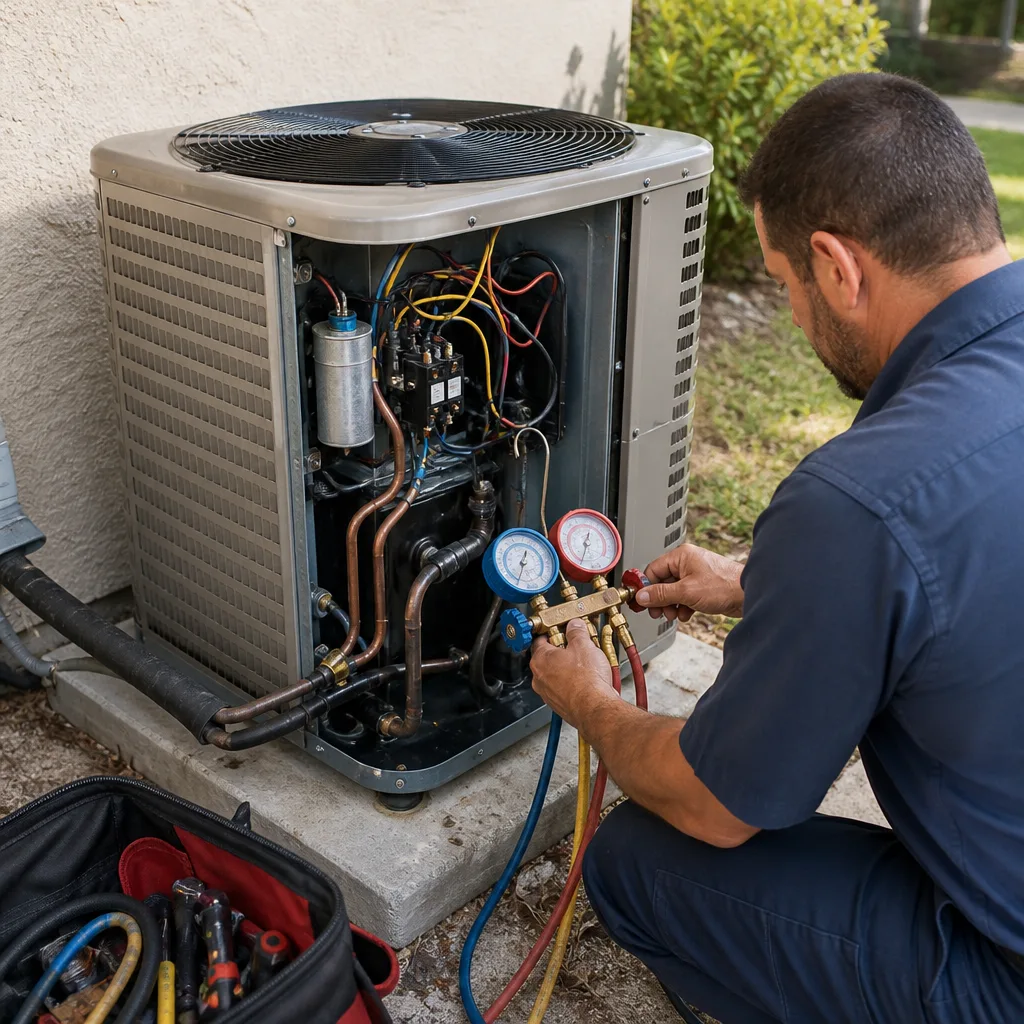 After
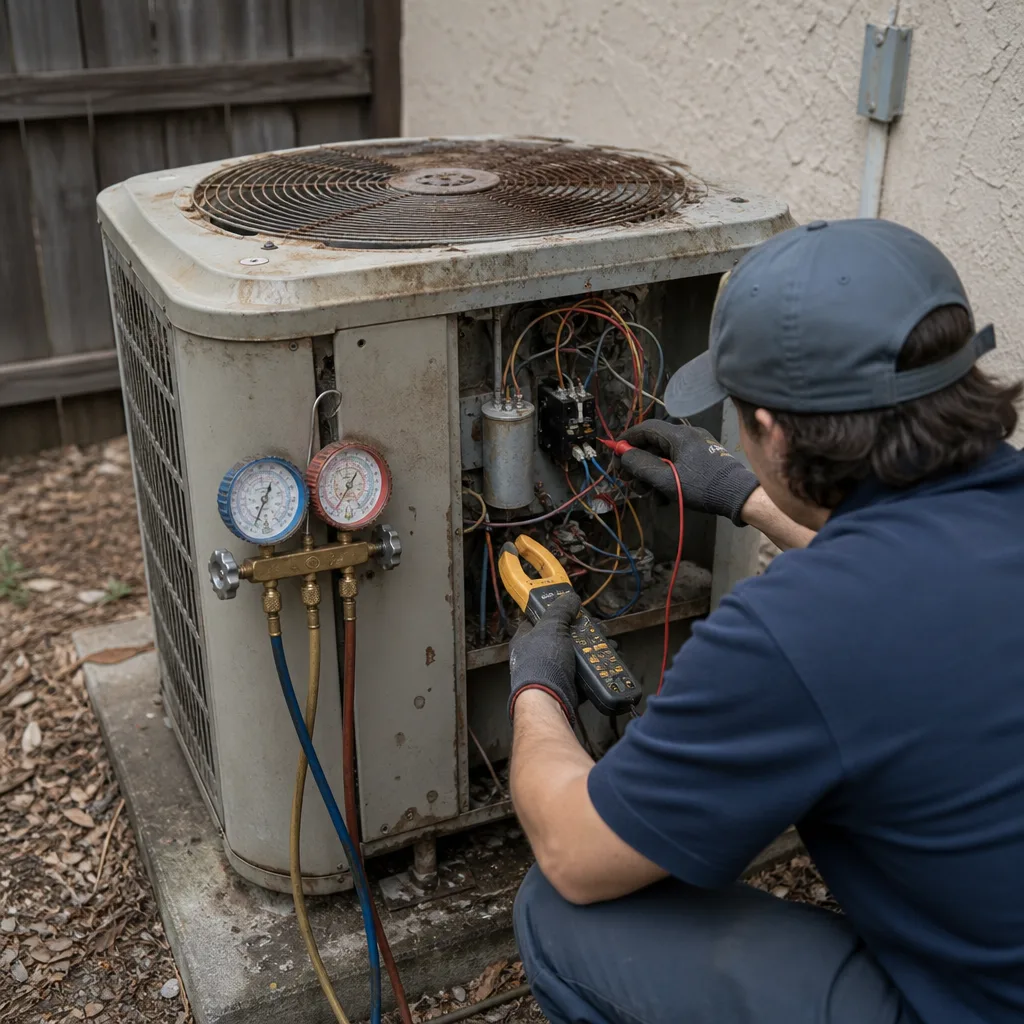 Before
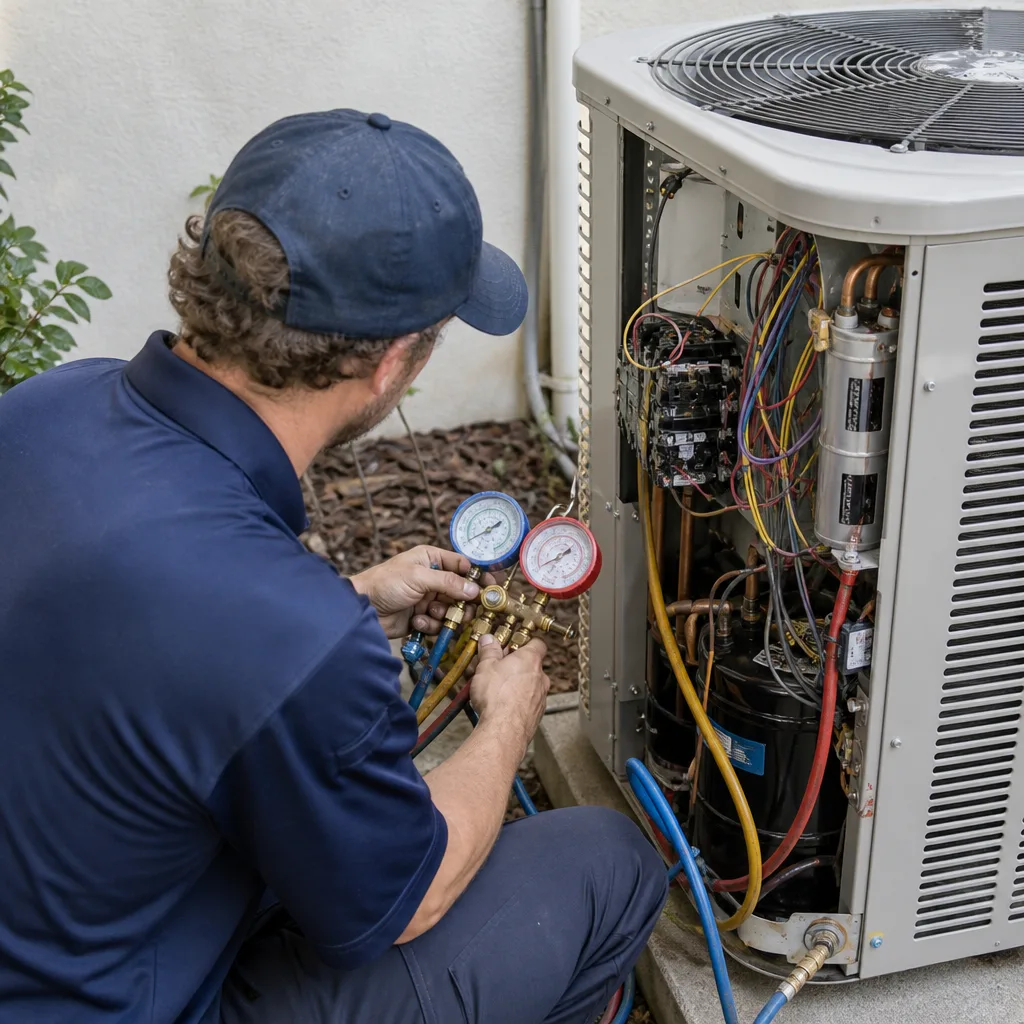 After
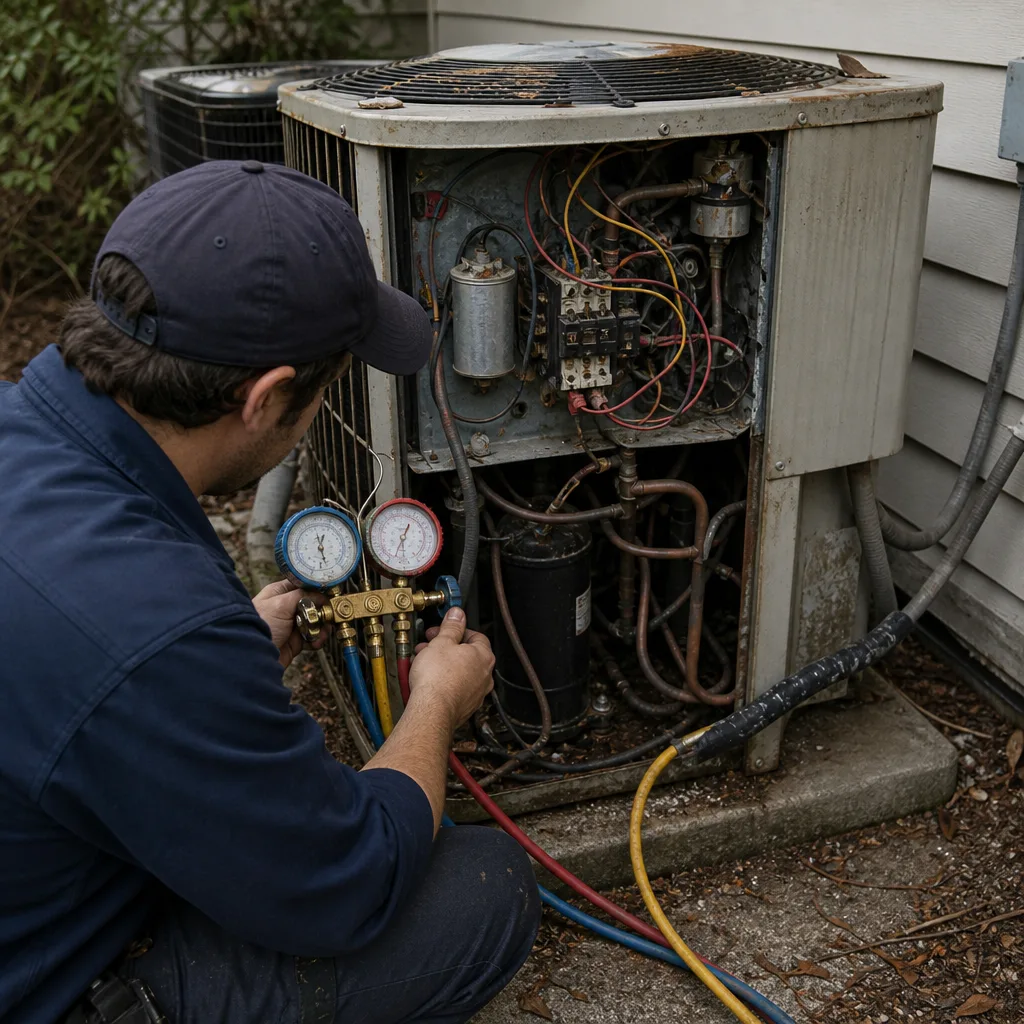 Before
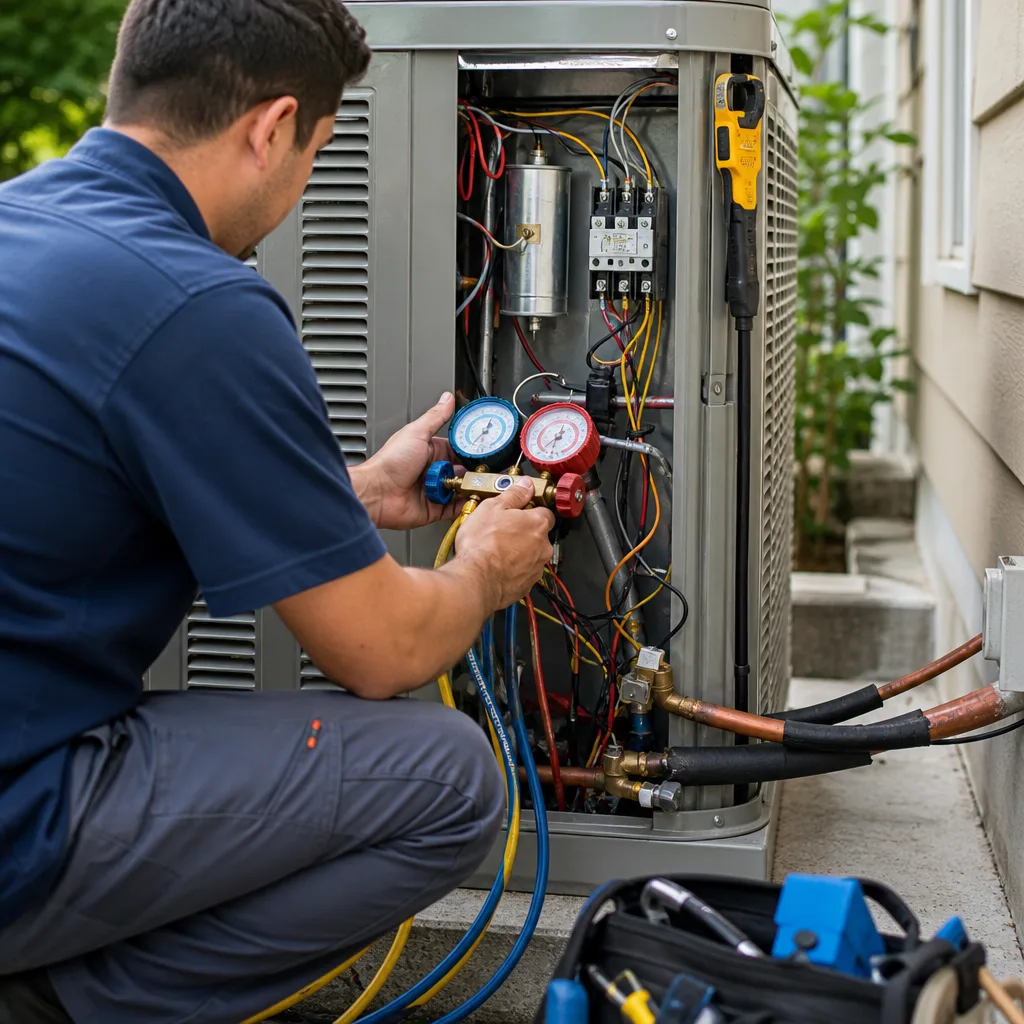 After
Replacement Cost & What’s Included
In Tampa, an installed Lennox capacitor replacement runs $180 to $340 depending on whether your unit takes a single-run or dual-run capacitor and the microfarad rating. The part itself is inexpensive, typically $15 to $40. What you’re paying for on the higher end of that range is same-day dispatch, the diagnostic call that confirms the capacitor is actually the failed component and not a symptom of a deeper problem, and the labor to access and replace it safely.
Every quote we give is a written price before any work starts, so you’ll know the exact number before we touch a single screw. The replacement is backed by our 365-Day Done Right Promise: if that capacitor fails or we missed something related to the diagnosis, we make it right. The part carries its manufacturer’s warranty, typically one to five years depending on the brand we install. For most Lennox units around Tampa, the total time in your home is under an hour, and that includes confirming the system starts, checking amp draw on the new capacitor, and cleaning up the work area before we leave.
DIY or Call Us?
Here’s the honest split. You can safely check the signs of a failed capacitor from the outside: look at the capacitor through the unit’s access panel louvers if visible, listen for the hum, check your thermostat for error codes, and check your breaker. Those steps cost nothing and help you describe the problem accurately when you call.
Where DIY becomes a serious risk is opening the condenser and handling the capacitor itself. Capacitors store high voltage even after the power is off. A fully-charged capacitor can hold a lethal charge, and discharging one correctly requires the right tool and procedure. If you touch the terminals without properly discharging, the result can be a severe shock, a burn, or worse. This is not a job for a YouTube tutorial. It’s one of the few repairs we’ll flat-out tell you not to attempt. Call us at (728) 212-0500 and we’ll have a background-checked technician at your door with the right part on the truck.
FAQs
In Tampa’s heat, a capacitor typically lasts 5 to 10 years, with most original capacitors failing between years six and eight. The combination of 90-degree-plus ambient temperatures, afternoon thunderstorms driving humidity, and constant cycling wears them down faster here than in cooler climates. If your Lennox condenser is over seven years old and the fan or compressor starts acting up, the capacitor is the first place we look.
No. A capacitor is a sealed, disposable component. Once the dielectric fluid breaks down or the internal plates degrade, it cannot be rebuilt or patched. Repairing one is neither safe nor possible, and any shop that claims to “fix” a capacitor is not a place you want working on your home’s equipment.
The swap itself takes a technician about 15 to 30 minutes. With diagnosis, testing the new part under load, and confirming the compressor and fan are pulling the right amps, you should plan on 45 to 60 minutes total. Most customers in Tampa call us between 8am and 2pm and have the system cooling again the same afternoon.
Yes. Our trucks carry the most common dual-run and single-run capacitor ratings used across Lennox residential condensers, plus compatible Amrad and Titan HD replacements for the older XC, Elite, and Merit lines. If your unit takes an unusual rating that we don’t have on hand, we can almost always source it from a Tampa supply house the same day.
If your Lennox unit is humming, clicking, or just not cooling like it did last summer, call (728) 212-0500. We’ll send a uniformed technician with the right capacitor already on the truck, give you a written price before we start, and leave the work area cleaner than we found it. Luis will tell you what you’re hearing, and what it means.
Written by Luis Serrano, Owner, Meadowsweet Heating and Air Tampa at Meadowsweet Heating and Air Tampa, serving Tampa and nearby areas.